The technologies stories first imagined in this decade, by kind, with whether each has been built since and who would keep the profit.
By kind of technology
Space travel and habitats · 13
Illustration made with AI image generation; not evidence.
Air Renewal
From the Earth to the Moon, Jules Verne · 1867
Restoring oxygen to the cabin air of a sealed spacecraft during flight.
built in the 1960s, about 100 years after it was imagined
A small prizeBusinesses pay; existing firms keep the restas a model judges it
Why
A small prize. Breathable air is essential aboard, but this is a fitting inside a craft or suit, not an industry of its own.
Who is paid. Ship operators pay for it within the craft, and the established builders of ships and suits supply it because the method is easy to copy.
A model's judgement, not a reading, of the idea as if it worked the way its story promises. The model is fairly sure of this one.
Illustration made with AI image generation; not evidence.
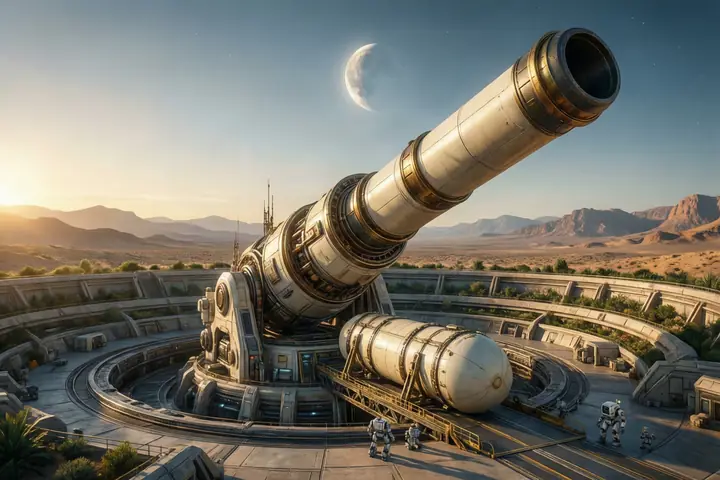
Columbiad
From the Earth to the Moon, Jules Verne · 1867
A colossal gun meant to fire a payload from the ground to the Moon.
not yet built · AI models could not judge when it may arrive
A large prizeBusinesses pay; existing firms keep the restas a model judges it
Why
A large prize. Flinging payloads to space without rockets would change the cost of the whole launch industry.
Who is paid. Firms with cargo to launch pay, and since others could build such a track or gun the gain goes to those who already own launch sites and power.
A model's judgement, not a reading, of the idea as if it worked the way its story promises. The model is fairly sure of this one.
Illustration made with AI image generation; not evidence.
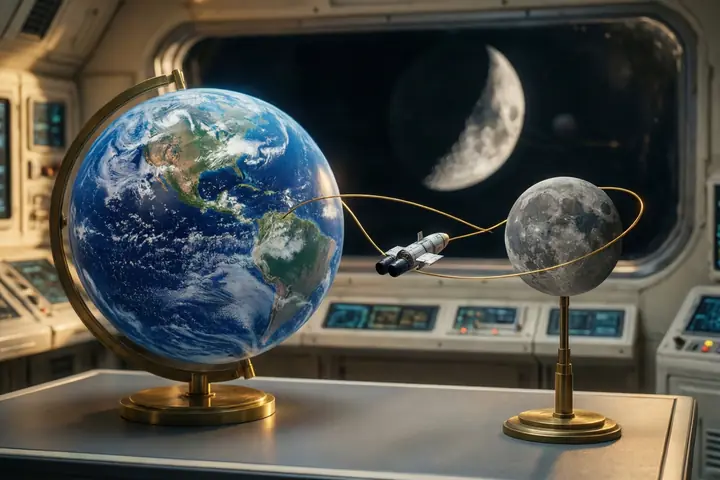
Free Return Trajectory
From the Earth to the Moon, Jules Verne · 1867
A flight path that swings around the Moon and brings a craft home without extra steering.
built in the 1960s, about 100 years after it was imagined
No prizeNothing is soldas a model judges it
Why
No prize. It is a way of flying or moving, not a product; the craft and gear that do it are judged separately.
Who is paid. Nothing is sold, so nobody pays and no seller collects.
A model's judgement, not a reading, of the idea as if it worked the way its story promises. The model is fairly sure of this one.
Illustration made with AI image generation; not evidence.
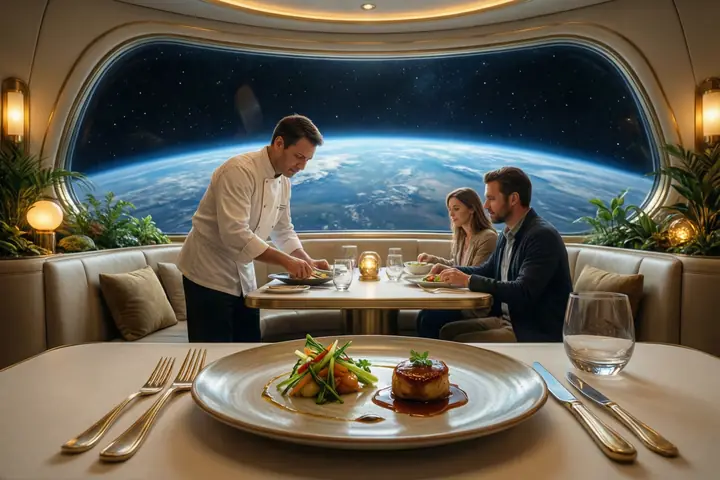
Gourmet Space Cuisine
From the Earth to the Moon, Jules Verne · 1867
Fine restaurant-quality cooking served to travellers beyond Earth.
not yet built · AI models' likeliest decade: the 2020s
A small prizeHouseholds pay; no seller keeps muchas a model judges it
Why
A small prize. Fine food on a voyage is a pleasant extra for travellers, a convenience.
Who is paid. Travellers pay for their meals, assumed here to be on top of the fare, and any good cook could offer the same.
A model's judgement, not a reading, of the idea as if it worked the way its story promises. The model is not very sure of this one.
Illustration made with AI image generation; not evidence.
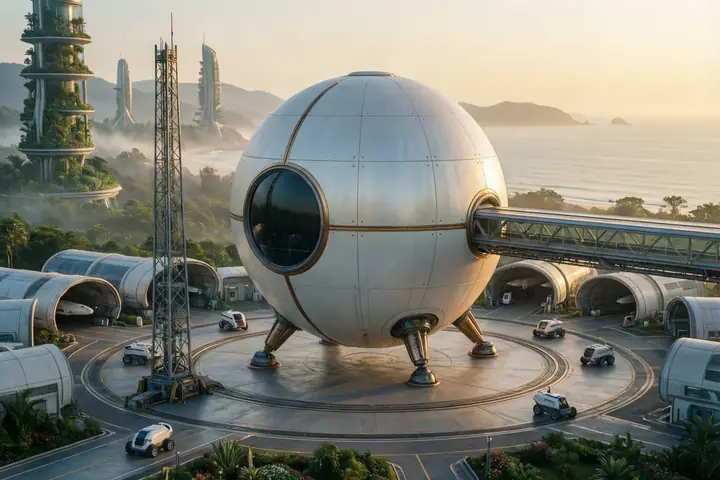
Launching Facility
From the Earth to the Moon, Jules Verne · 1867
A dedicated site equipped to send vehicles into space.
not yet built · AI models' likeliest decade: the 2020s
A large prizeBusinesses pay; existing firms keep the restas a model judges it
Why
A large prize. A site built to send craft to space is what the whole launch industry runs from.
Who is paid. Firms with craft to launch pay to use it, and since others could build one the gain goes to those who already own good sites.
A model's judgement, not a reading, of the idea as if it worked the way its story promises. The model is fairly sure of this one.
Illustration made with AI image generation; not evidence.
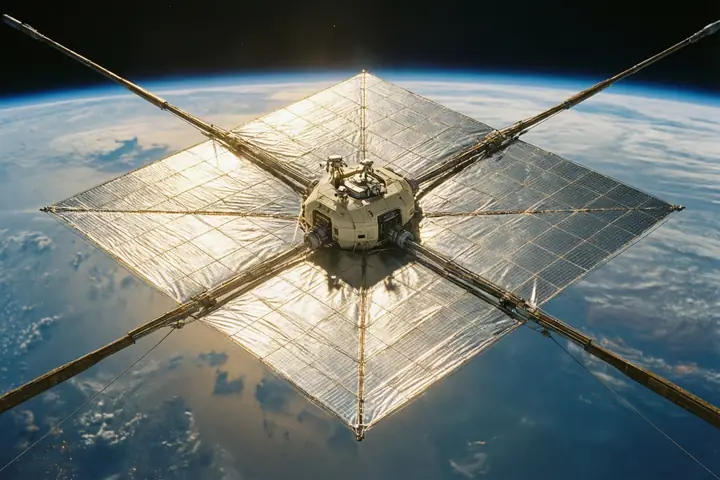
Light Pressure Propulsion
From the Earth to the Moon, Jules Verne · 1867
Pushing a spacecraft forward using the gentle pressure of sunlight on a sail.
built in the 2010s, about 150 years after it was imagined
A large prizeBusinesses pay; existing firms keep the restas a model judges it
Why
A large prize. The promise is travel with no fuel at all, which would change the cost of space transport; the real sails so far push only small test craft.
Who is paid. An engine is bought by whoever runs the ship, assumed here to be carriers, and established engine builders could copy it once it worked.
A model's judgement, not a reading, of the idea as if it worked the way its story promises. The model is fairly sure of this one.
Illustration made with AI image generation; not evidence.
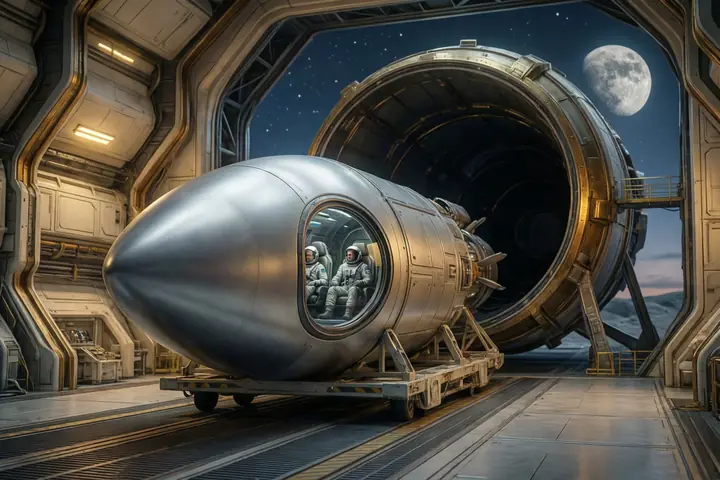
Projectile-Vehicle
From the Earth to the Moon, Jules Verne · 1867
A sealed shell holding people, hurled from a giant gun all the way to the Moon.
not yet built · AI models judge it not physically possible
A small prizeBusinesses pay; existing firms keep the restas a model judges it
Why
A small prize. A sealed shell for a few travellers is the bare cabin; the prize of the trip lies with the gun that hurls it.
Who is paid. Whoever runs the gun would buy it, assumed here to be a launch firm, and existing spacecraft builders could all make something so simple.
A model's judgement, not a reading, of the idea as if it worked the way its story promises. The model is not very sure of this one.
Illustration made with AI image generation; not evidence.
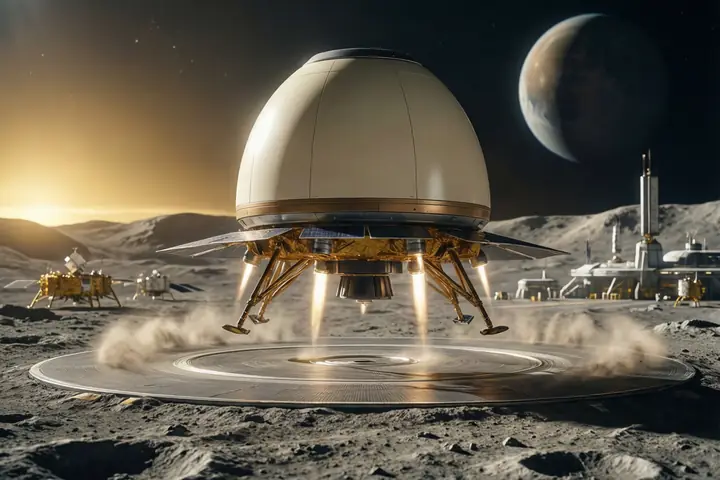
Retro-Rockets
From the Earth to the Moon, Jules Verne · 1867
Small thrusters firing against the direction of travel to slow or halt a spacecraft.
built in the 1960s, about 100 years after it was imagined
A small prizeBusinesses pay; existing firms keep the restas a model judges it
Why
A small prize. Thrusters that slow a craft are a necessary part of a spacecraft, not a product by themselves.
Who is paid. Ship operators pay for them within the craft, and established engine makers supply them since they are easy to copy.
A model's judgement, not a reading, of the idea as if it worked the way its story promises. The model is fairly sure of this one.
Illustration made with AI image generation; not evidence.
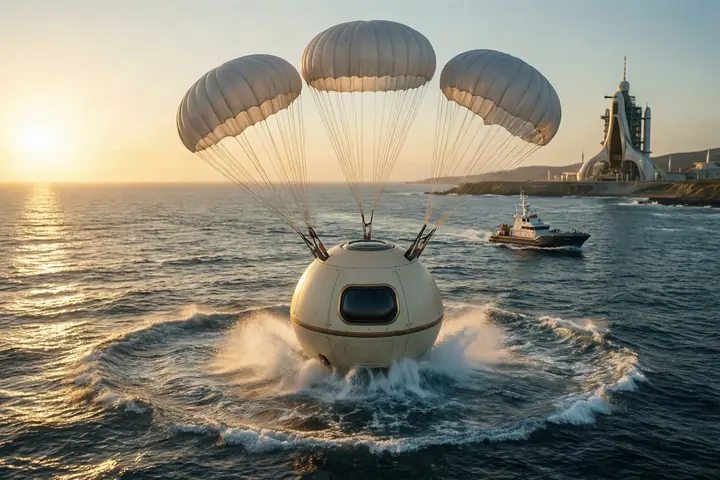
Splashdown
From the Earth to the Moon, Jules Verne · 1867
Bringing a returning spacecraft down onto the ocean rather than land.
built in the 1960s, about 100 years after it was imagined
No prizeNothing is soldas a model judges it
Why
No prize. It is a way of landing, not a product; the capsule and the recovery ships are judged under their own entries.
Who is paid. Nothing is sold, so nobody pays and no seller collects.
A model's judgement, not a reading, of the idea as if it worked the way its story promises. The model is fairly sure of this one.
Illustration made with AI image generation; not evidence.
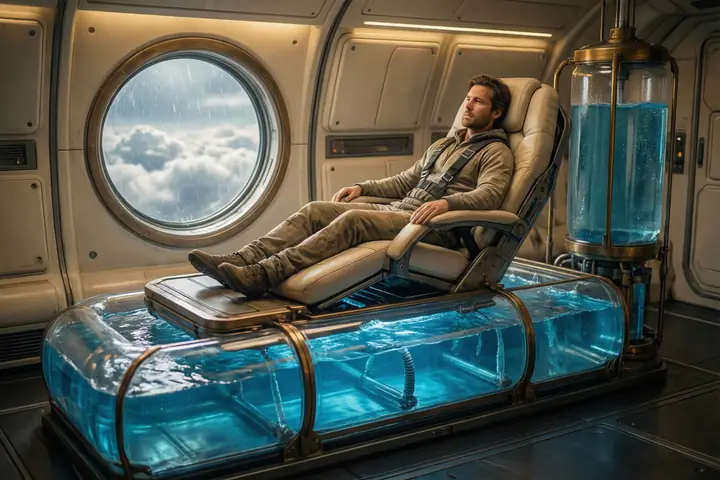
Water-Springs
From the Earth to the Moon, Jules Verne · 1867
A layer of liquid used to soften the crushing force of launch on a spacecraft's crew.
not yet built · AI models' likeliest decade: the 2020s
A small prizeBusinesses pay; existing firms keep the restas a model judges it
Why
A small prize. It protects crews during hard thrust or landing, which matters only to the few who fly such ships.
Who is paid. Ship operators pay for it as part of the craft, and the firms that already build ships and their fittings supply it since others could copy the design.
A model's judgement, not a reading, of the idea as if it worked the way its story promises. The model is fairly sure of this one.
Illustration made with AI image generation; not evidence.
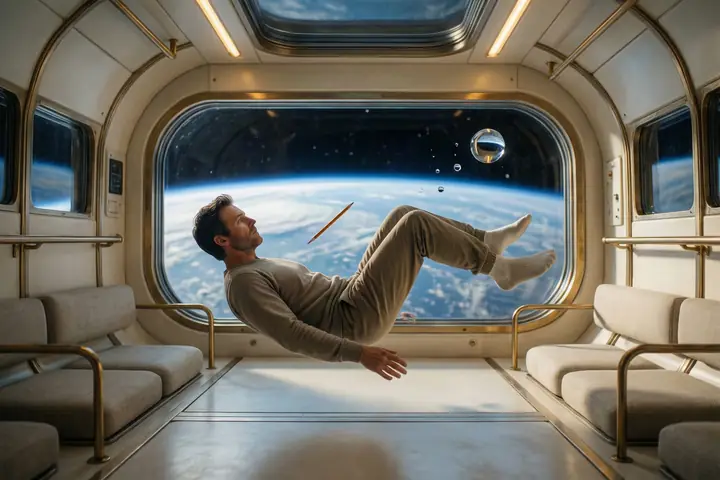
Weightlessness
From the Earth to the Moon, Jules Verne · 1867
The floating sensation of free fall, when a traveller seems to weigh nothing.
built in 1961, 94 years after it was imagined
No prizeNothing is soldas a model judges it
Why
No prize. It names what space does to the body, a condition and not a product anyone makes or sells.
Who is paid. Nothing is sold, so nobody pays and no seller collects.
A model's judgement, not a reading, of the idea as if it worked the way its story promises. The model is fairly sure of this one.
Illustration made with AI image generation; not evidence.
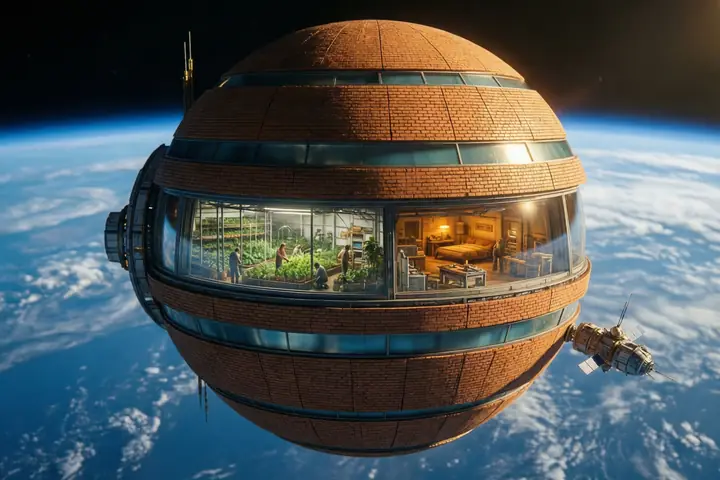
Brick Moon
The Brick Moon, Edward Everett Hale · 1869
An orbiting habitat placed above Earth where people can live and work.
not yet built · AI models' likeliest decade: the 2020s
A large prizeA government pays; existing firms keep the restas a model judges it
Why
A large prize. A place for many people to live and work beyond Earth is a building industry of its own.
Who is paid. A settlement is a public work a government pays for, and the big construction and space firms that already win such contracts would build it.
A model's judgement, not a reading, of the idea as if it worked the way its story promises. The model is fairly sure of this one.
Illustration made with AI image generation; not evidence.
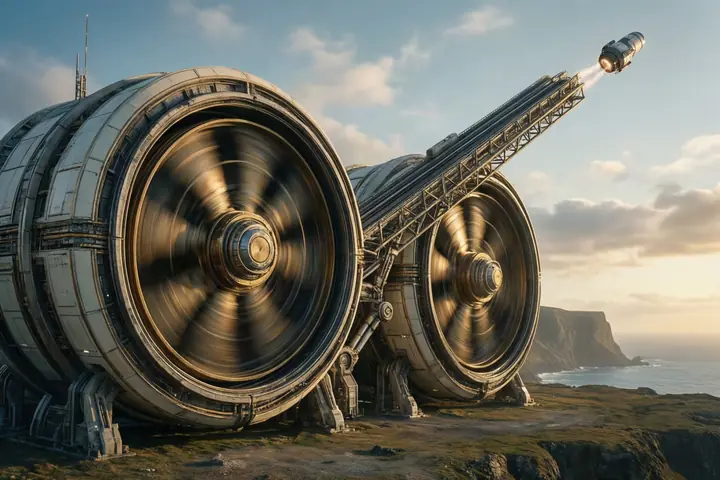
Flywheel Launcher
The Brick Moon, Edward Everett Hale · 1869
Huge spinning wheels store energy and then fling a vehicle upward fast enough to reach space.
not yet built · AI models' likeliest decade: the 2040s
A large prizeBusinesses pay; existing firms keep the restas a model judges it
Why
A large prize. Flinging or pushing payloads to space without big rockets would change the cost of the whole launch industry.
Who is paid. Firms with cargo to launch pay, and since others could build such works the gain goes to those who already own launch sites and power.
A model's judgement, not a reading, of the idea as if it worked the way its story promises. The model is fairly sure of this one.
Communication, media and displays · 2
Illustration made with AI image generation; not evidence.
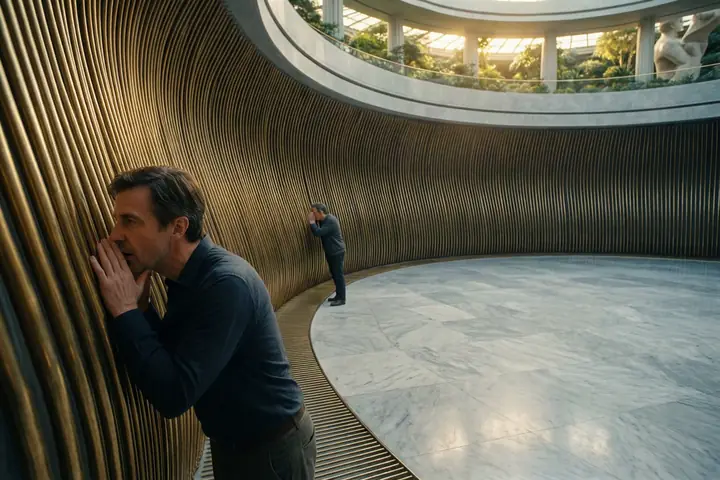
Whispering Gallery
Journey to the Center of the Earth, Jules Verne · 1864
Rooms curved so that a quiet voice carries clearly to a distant point.
built since, date unclear
A small prizeBusinesses pay; no seller keeps muchas a model judges it
Why
A small prize. A room shaped so a whisper carries is a curiosity for visitors; unlike the prison's chance echo, it is something a builder can be hired to make.
Who is paid. Owners of halls and museums pay for it, and since any skilled builder can shape such a room, no seller keeps much.
A model's judgement, not a reading, of the idea as if it worked the way its story promises. The model is not very sure of this one.
Illustration made with AI image generation; not evidence.
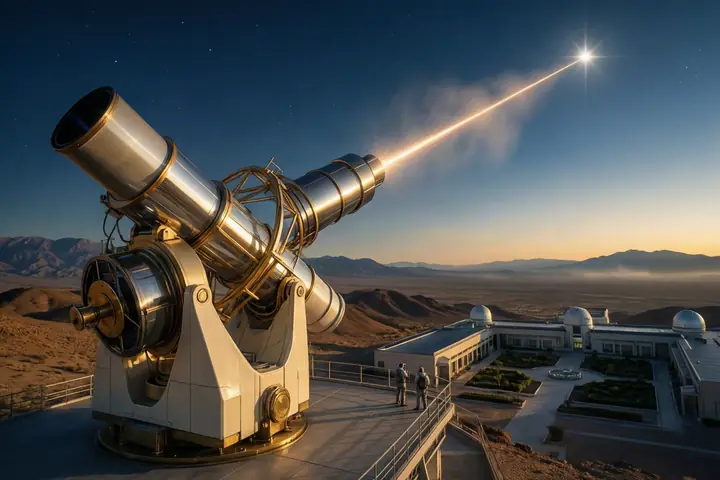
Communicate with Extraterrestrials
From the Earth to the Moon, Jules Verne · 1867
A scheme for signalling to living beings on distant worlds.
built in the 1960s, about 100 years after it was imagined
A small prizeA government pays; existing firms keep the restas a model judges it
Why
A small prize. Signalling to beings on other worlds satisfies curiosity and earns nothing unless someone answers.
Who is paid. Nobody could be charged for it one by one, so a government pays, and the observatories and builders that already hold such contracts collect.
A model's judgement, not a reading, of the idea as if it worked the way its story promises. The model is fairly sure of this one.
Robotics and automation · 1
Illustration made with AI image generation; not evidence.
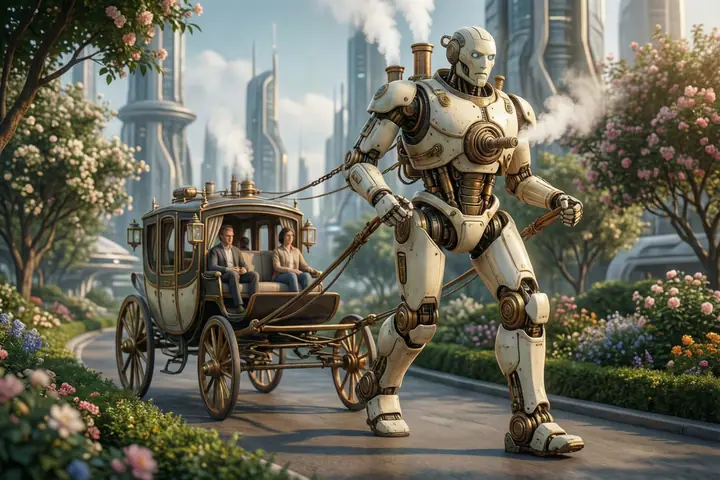
Steam Man
The Steam Man of the Prairies, Edward S. Ellis · 1868
A humanoid walking machine driven by a steam engine, able to haul a carriage behind it.
not yet built · AI models' likeliest decade: the 2020s
A small prizeBusinesses pay; no seller keeps muchas a model judges it
Why
A small prize. A walking engine in human form hauls a carriage, but the gain from engine power would come as well on wheels, so the legs earn only a niche where wheels fail.
Who is paid. Carriers on rough ground are assumed to buy it, and many makers could build one, so no seller keeps much.
A model's judgement, not a reading, of the idea as if it worked the way its story promises. The model is not very sure of this one.
Transport and mobility · 1
Illustration made with AI image generation; not evidence.
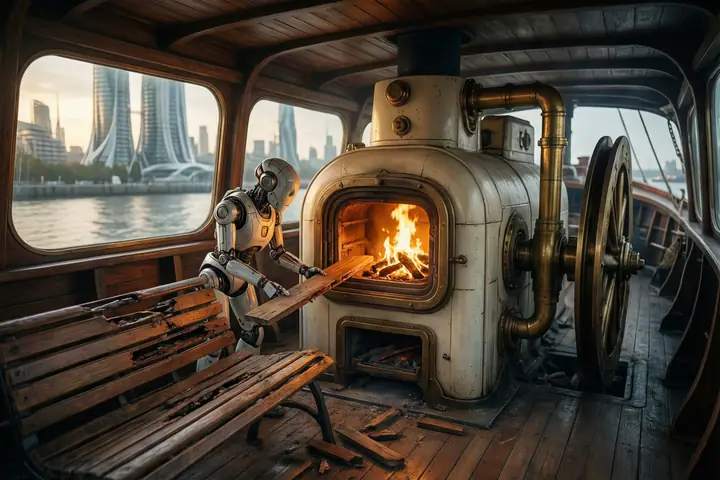
Burn the Ship
Around the World in 80 days, Jules Verne · 1868
Feeding a vessel's own timbers and fittings into its furnace to keep it moving.
not yet built · AI models' likeliest decade: the 2020s
No prizeNothing is soldas a model judges it
Why
No prize. It is a desperate act by a crew, not a product anyone would buy.
Who is paid. Nothing is made or sold here, so nobody pays and no seller keeps anything.
A model's judgement, not a reading, of the idea as if it worked the way its story promises. The model is fairly sure of this one.
Materials, manufacturing and construction · 1
Illustration made with AI image generation; not evidence.
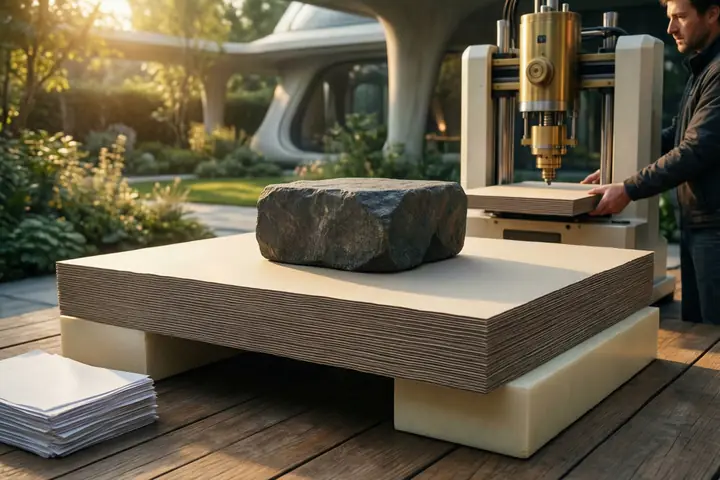
Paper Steel
Robur-the-Conqueror, Jules Verne · 1866
Processed paper made into a building material rivalling metal for hardness.
not yet built · AI models' likeliest decade: the 2030s
A large prizeBusinesses pay; existing firms keep the restas a model judges it
Why
A large prize. A cheap building material as hard as metal would change construction costs.
Who is paid. Builders buy it, and once the method is known the big materials firms with plants and customers make it and collect.
A model's judgement, not a reading, of the idea as if it worked the way its story promises. The model is fairly sure of this one.
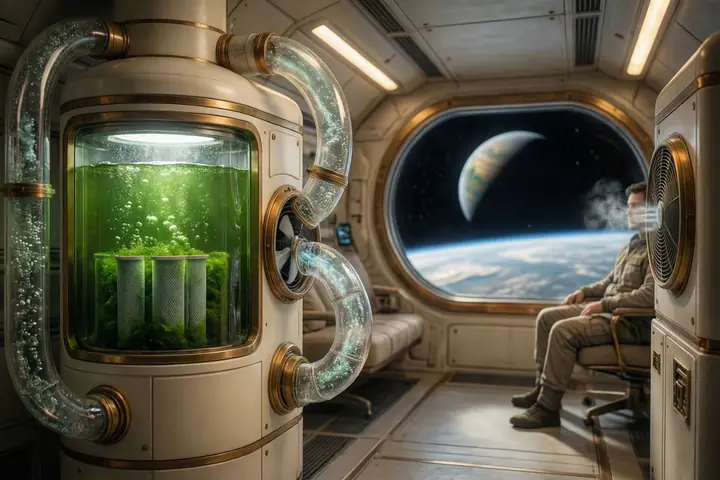 Illustration made with AI image generation; not evidence.