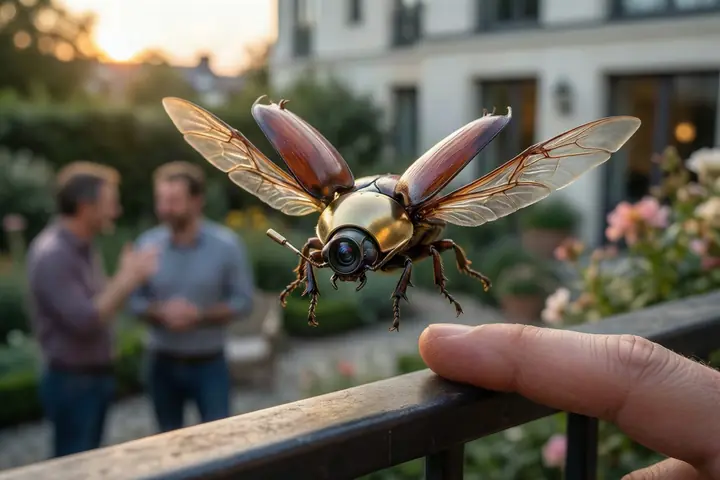
Dated forecasts about this kind of technology from the singularity reading list, then every idea of this kind in the order stories first imagined it.
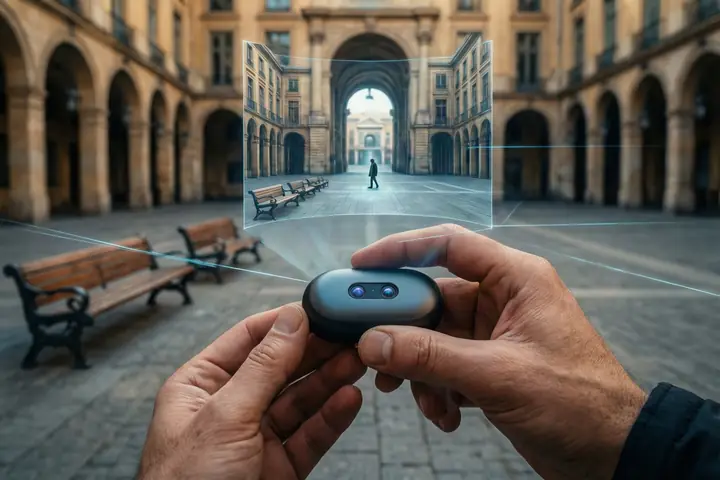
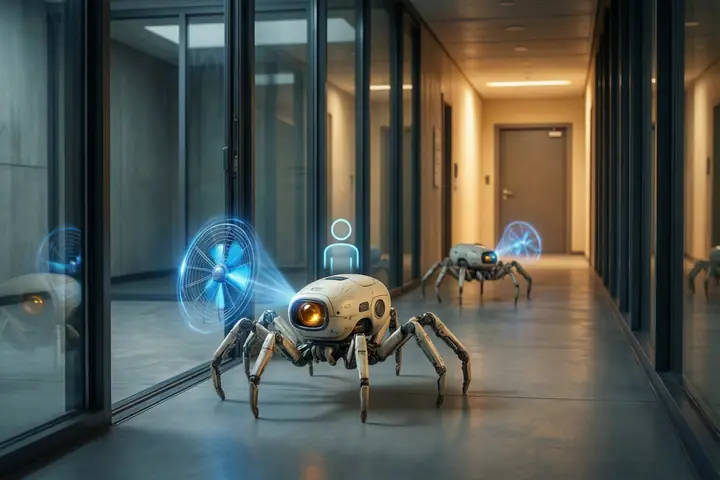
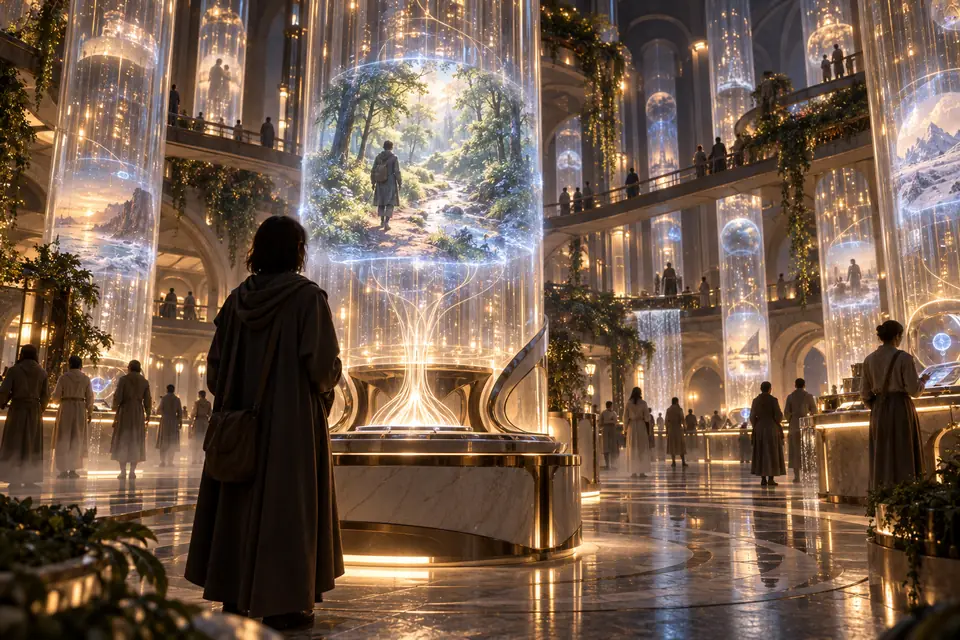
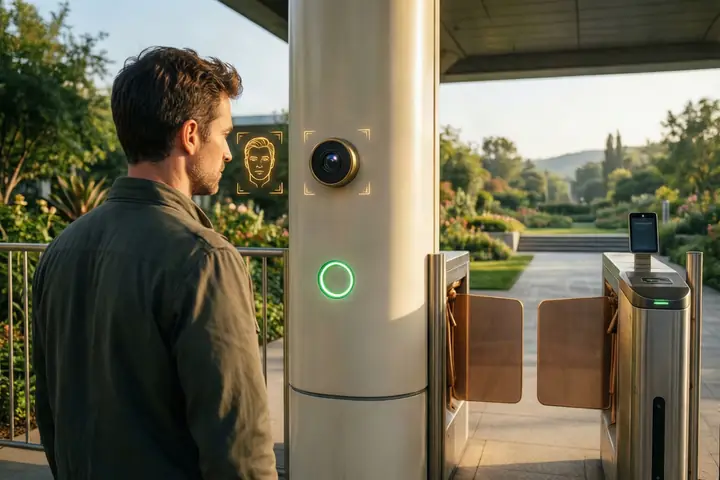
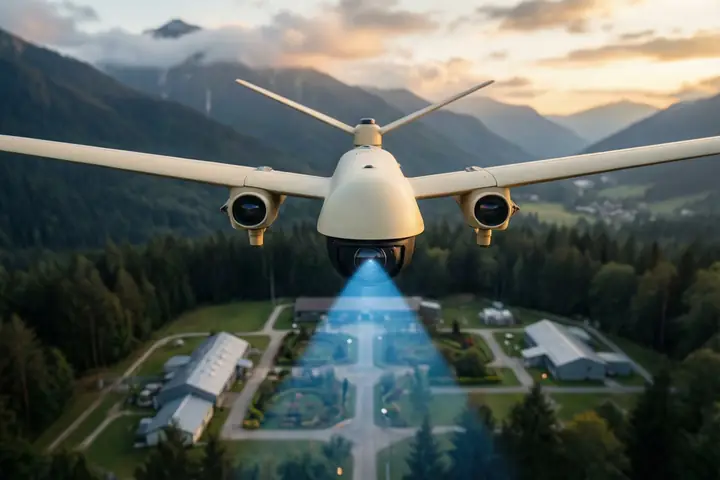
Illustration made with AI image generation; not evidence.
Imagined, oldest first
How large a prize, and which seller keeps the rest
Each idea is judged as if it worked the way its story promises: how large a prize it would be, who would pay, and which seller would keep what is left once buyers have had their gain. Choose a cell to see only those ideas; each count is the cards that cell shows. Every placing is a model's judgement, not a reading.
Seller
A vast prize
A large prize
A small prize
No prize
No seller keeps much
·
·
The maker keeps the rest
·
·
·
·
Existing firms keep the rest
·
·
Permit holders keep the rest
·
·
·
·
Nothing is sold
·
·
·
Illustration made with AI image generation; not evidence.
Instantaneous Kodaks (Traffic Control)
A Journey In Other Worlds, John Jacob Astor IV · 1894
Cameras that photograph speeding vehicles so police can enforce traffic limits.
built in the 1960s, about 70 years after it was imagined
A small prizeA government pays; existing firms keep the restas a model judges it
Why
A small prize. Catching speeders without an officer saves some police labour but is a narrow tool.
Who is paid. Road authorities pay, and the cameras are easy to copy, so firms that already hold traffic supply contracts collect.
A model's judgement, not a reading, of the idea as if it worked the way its story promises. The model is fairly sure of this one.
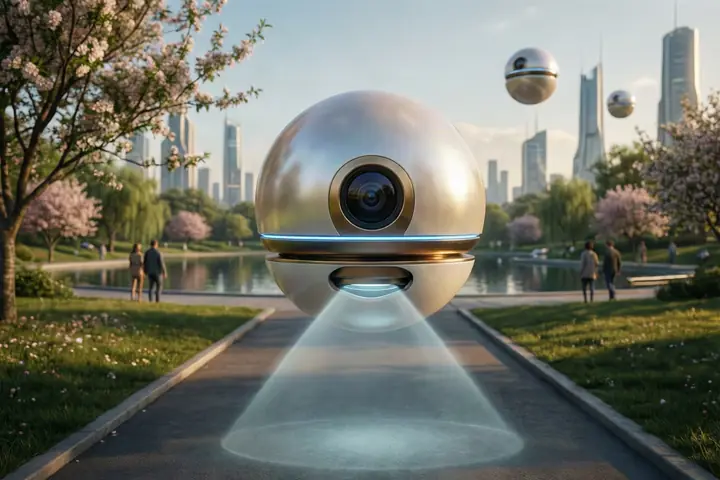
Illustration made with AI image generation; not evidence.
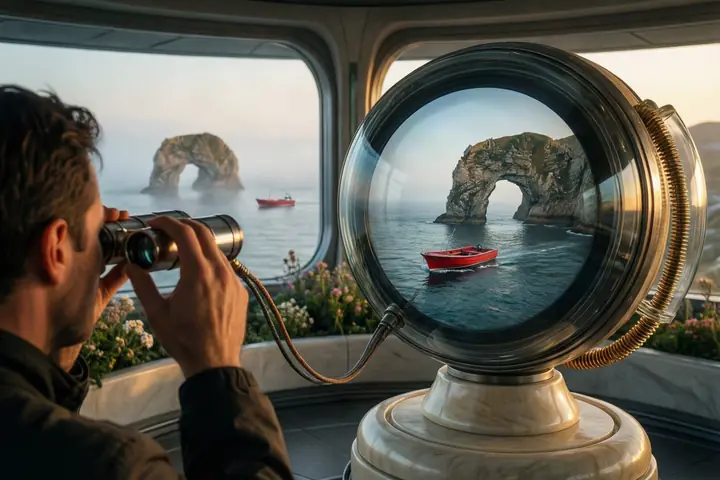
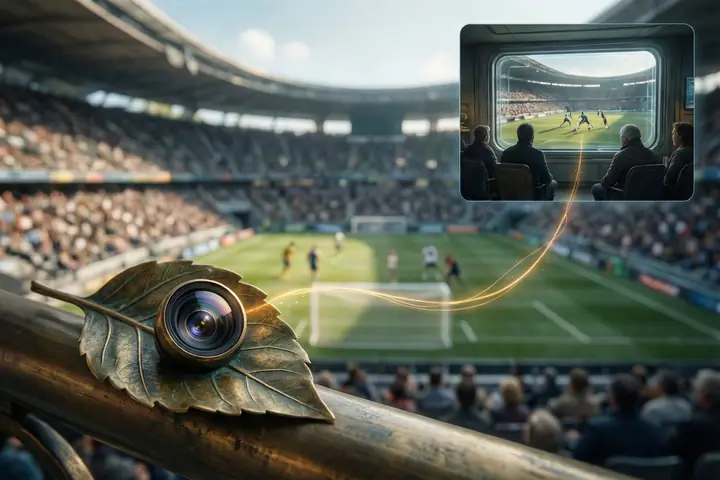
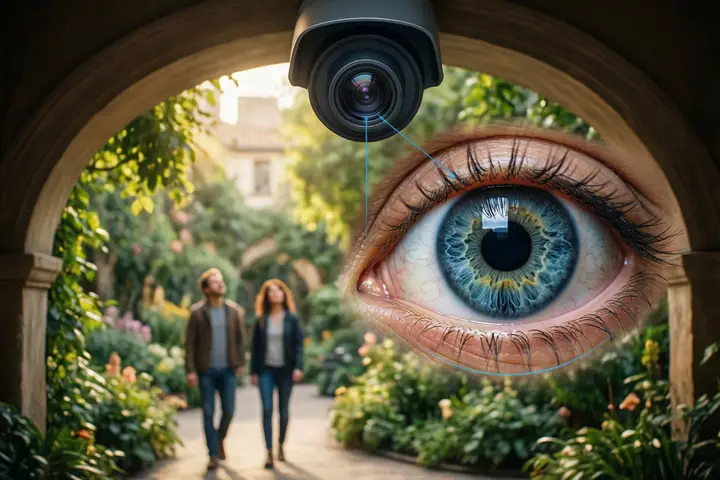
Magnetic Eyes
A Journey In Other Worlds, John Jacob Astor IV · 1894
An instrument for watching people or things from a distance without being there.
built in the 1990s, about 100 years after it was imagined
A large prizeBusinesses pay; no seller keeps muchas a model judges it
Why
A large prize. Watching a place from afar without being there became the basis of a whole security camera industry.
Who is paid. Firms and public bodies buy cameras to guard their sites, and so many makers can build them that no seller keeps much.
A model's judgement, not a reading, of the idea as if it worked the way its story promises. The model is fairly sure of this one.
Illustration made with AI image generation; not evidence.
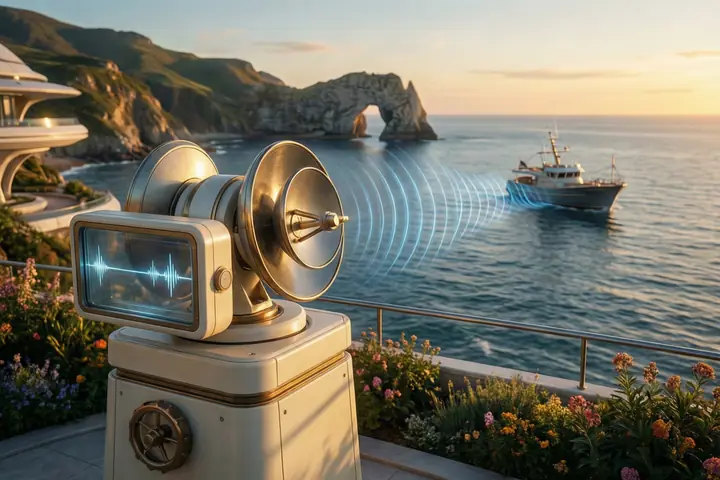
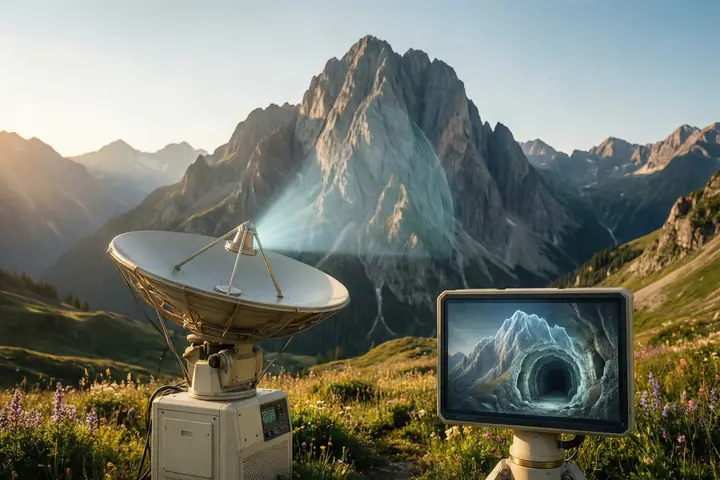
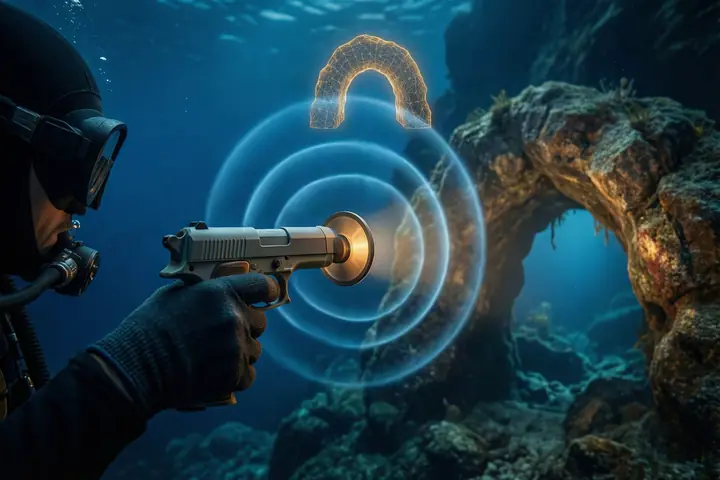
Actinoscope
Ralph 124c 41 +, Hugo Gernsback · 1911
Measures how far away an object is by bouncing waves off it and timing the echo.
built in the 1930s, about 20 years after it was imagined
A large prizeBusinesses pay; existing firms keep the restas a model judges it
Why
A large prize. Measuring and mapping what cannot be seen by eye changes the costs of travel, mapping and digging, an industry of its own.
Who is paid. Transport, mapping and mining firms buy it, and it can be copied, so established instrument makers with factories and customers collect.
A model's judgement, not a reading, of the idea as if it worked the way its story promises. The model is fairly sure of this one.
Illustration made with AI image generation; not evidence.
Membrane
We, Yevgeny Zamyatin · 1922
A hidden microphone that eavesdrops on conversations.
not yet built · AI models' likeliest decade: the 2020s
A small prizeA government pays; existing firms keep the restas a model judges it
Why
A small prize. A better way to overhear people is a specialist tool for police and spies, not a wide market.
Who is paid. Police and spy services pay, and it is easy to copy, so the firms already supplying them collect.
A model's judgement, not a reading, of the idea as if it worked the way its story promises. The model is fairly sure of this one.
Illustration made with AI image generation; not evidence.
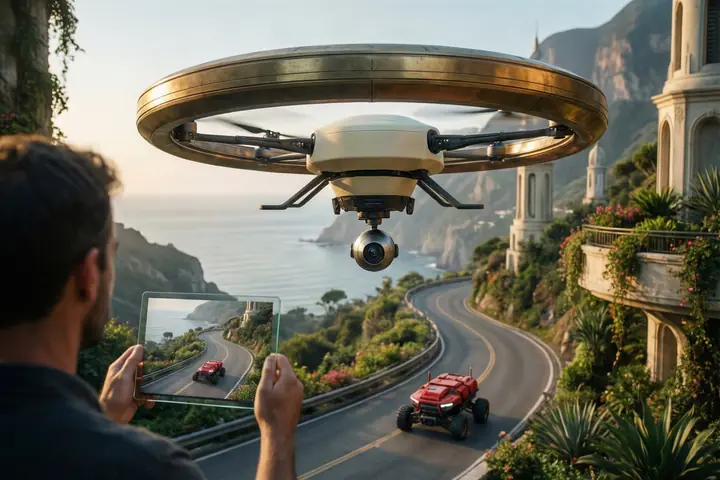
Raytron Apparatus
Beyond the Stars, Ray Cummings · 1928
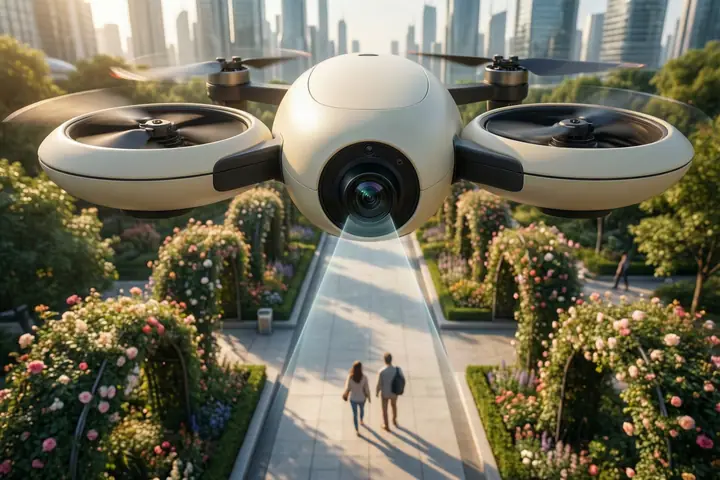
An airborne camera that sends overhead pictures back to its operator.
not yet built · AI models' likeliest decade: the 2020s
A large prizeA government pays; existing firms keep the restas a model judges it
Why
A large prize. A camera in the air sending back pictures from overhead changes what an army or police force can see.
Who is paid. Spy and police services pay, and once made it can be copied, so the firms already supplying such services collect.
A model's judgement, not a reading, of the idea as if it worked the way its story promises. The model is fairly sure of this one.
Illustration made with AI image generation; not evidence.
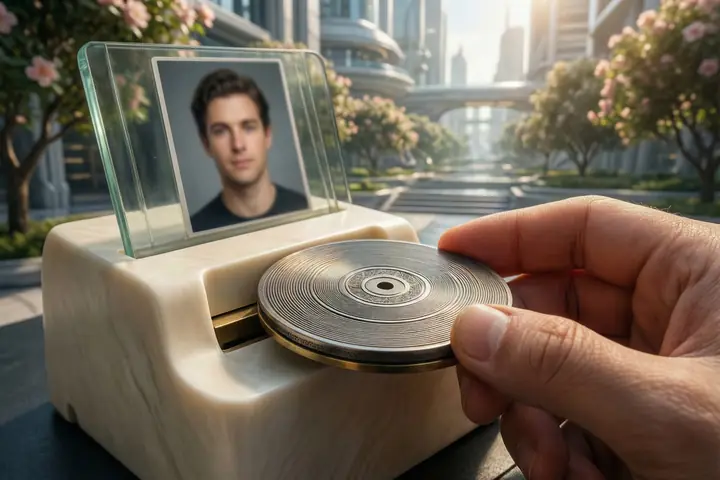
Personal Metallic Record Disc
The Ancient Brain, A.G. Stangland · 1929
A durable stamped metal token carrying an individual's complete personal file in portable form.
not yet built · AI models' likeliest decade: the 2020s
A small prizeA government pays; existing firms keep the restas a model judges it
Why
A small prize. A token carrying a person's whole file is a sturdier identity paper, a convenience for the authority that issues it.
Who is paid. Whoever issues the credential pays, assumed here to be a state, and the firms that already make official papers and registers collect.
A model's judgement, not a reading, of the idea as if it worked the way its story promises. The model is not very sure of this one.
Illustration made with AI image generation; not evidence.
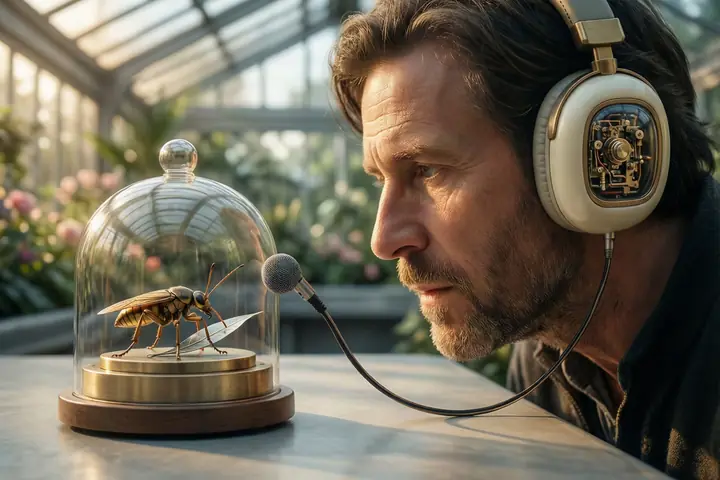
Brigands of the Moon
Brigands of the Moon, Ray Cummings · 1930
A listening instrument that amplifies extremely faint noises until they are audible.
not yet built · AI models' likeliest decade: the 2020s
A small prizeA government pays; existing firms keep the restas a model judges it
Why
A small prize. A better way to overhear people is a specialist tool for police and spies, not a wide market.
Who is paid. Police and spy services pay, and it is easy to copy, so the firms already supplying them collect.
A model's judgement, not a reading, of the idea as if it worked the way its story promises. The model is fairly sure of this one.
Illustration made with AI image generation; not evidence.
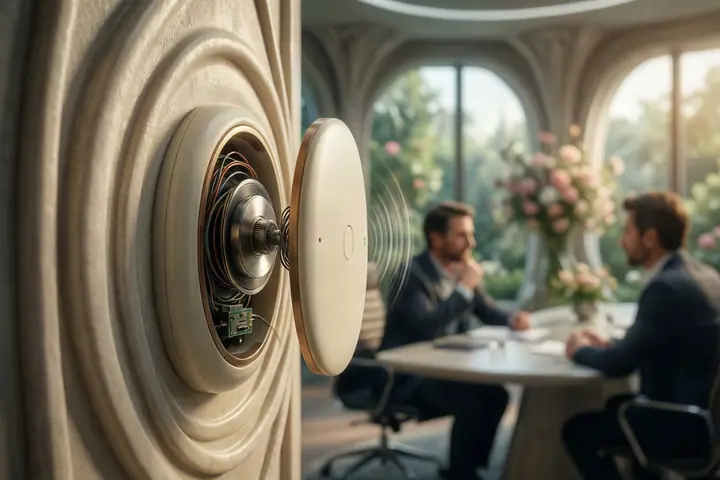
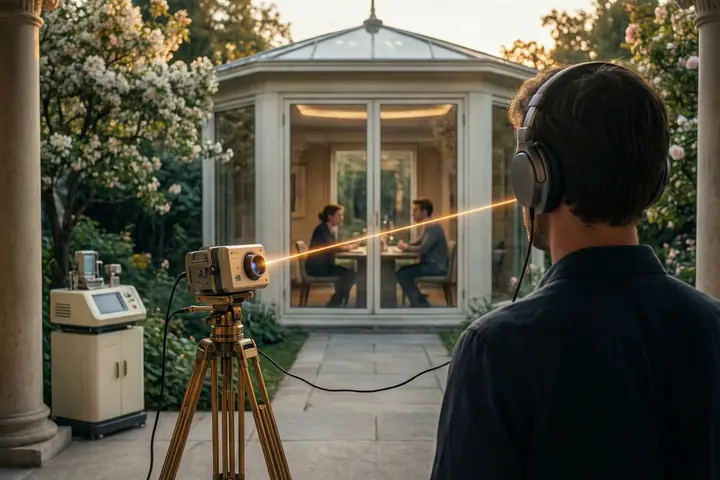
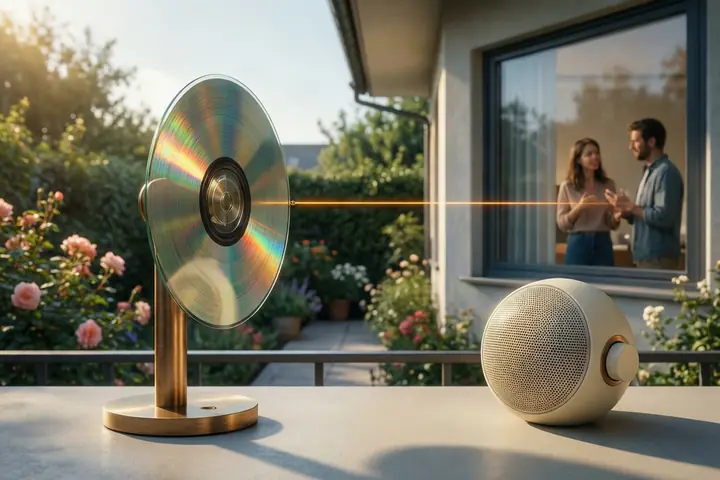
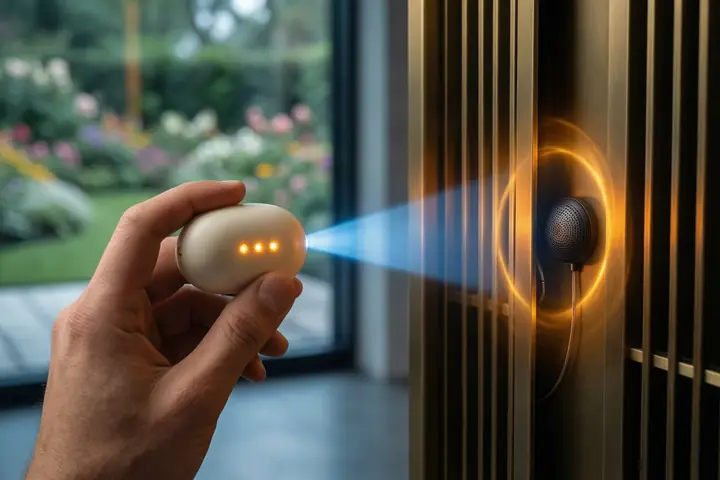
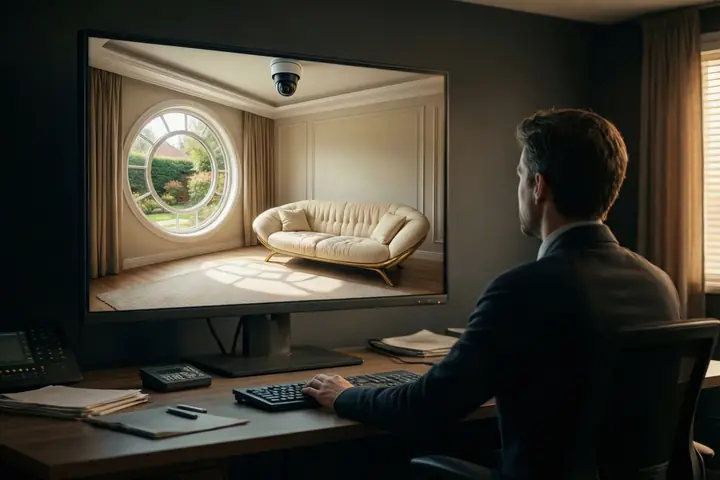
Eavesdropping Ray
Brigands of the Moon, Ray Cummings · 1930
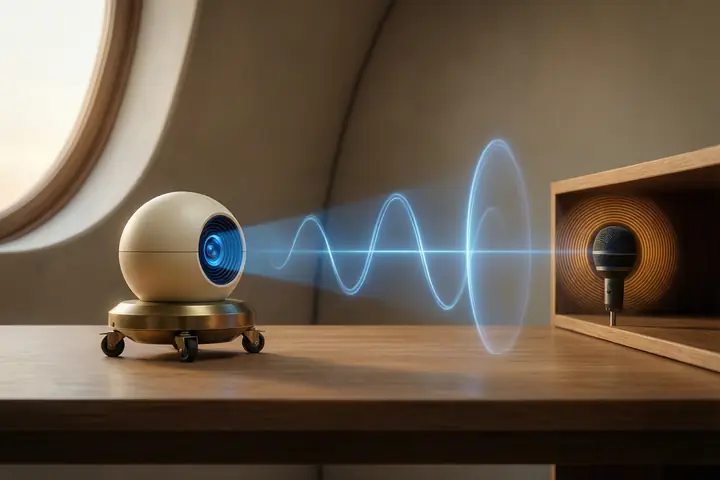
A beam aimed at a sealed room that lets outsiders pick up the conversations inside.
built in the 1960s, about 30 years after it was imagined
A small prizeA government pays; existing firms keep the restas a model judges it
Why
A small prize. A better way to overhear people is a specialist tool for police and spies, not a wide market.
Who is paid. Police and spy services pay, and it is easy to copy, so the firms already supplying them collect.
A model's judgement, not a reading, of the idea as if it worked the way its story promises. The model is fairly sure of this one.
Illustration made with AI image generation; not evidence.
Low-scale Detectors
Brigands of the Moon, Ray Cummings · 1930
Ultra-sensitive sensors that boost the faintest sounds so they can be heard.
built in the 1940s, about 10 years after it was imagined
A small prizeA government pays; existing firms keep the restas a model judges it
Why
A small prize. A better way to overhear people is a specialist tool for police and spies, not a wide market.
Who is paid. Police and spy services pay, and it is easy to copy, so the firms already supplying them collect.
A model's judgement, not a reading, of the idea as if it worked the way its story promises. The model is fairly sure of this one.
Illustration made with AI image generation; not evidence.
Object-Finder Beam
The Conquest of Gola, L.F. Stone · 1931
A projected beam that locates whatever item the user is looking for.
not yet built · AI models could not judge when it may arrive
A large prizeBusinesses pay; existing firms keep the restas a model judges it
Why
A large prize. Finding any wanted object on demand would cut search costs across warehouses, salvage, mining and police work.
Who is paid. Assumes firms with much to keep track of are the main buyers; once built it can be copied, so makers of sensing gear collect.
A model's judgement, not a reading, of the idea as if it worked the way its story promises. The model is not very sure of this one.
Illustration made with AI image generation; not evidence.
Satellite Photography for Surveillance
The Prince of Space, Jack Williamson · 1931
Cameras in orbit that image enemy territory for military intelligence.
built in the 1960s, about 30 years after it was imagined
A large prizeA government pays; existing firms keep the restas a model judges it
Why
A large prize. Pictures of enemy land from orbit change what an army knows before it acts.
Who is paid. Armies and spy services pay, and the firms that already build rockets and spacecraft for them collect.
A model's judgement, not a reading, of the idea as if it worked the way its story promises. The model is fairly sure of this one.
Illustration made with AI image generation; not evidence.
Selective Electric Eye
Exiles of the Moon, Nat Schachner (w. AL Zagat · 1931
A camera system that identifies particular people by their faces.
built in 1964, 33 years after it was imagined
A large prizeA government pays; existing firms keep the restas a model judges it
Why
A large prize. Picking out chosen people by their faces gives reliable identity from the body.
Who is paid. The state pays, and face matching is easy to copy, so the firms already supplying identity systems collect.
A model's judgement, not a reading, of the idea as if it worked the way its story promises. The model is fairly sure of this one.
Illustration made with AI image generation; not evidence.
Ultra-Light Vision System
Spacehounds of IPC, E.E. 'Doc' Smith · 1931
An imaging system that looks past surfaces to reveal what lies inside solid things.
not yet built · AI models' likeliest decade: the 2030s
A large prizeBusinesses pay; existing firms keep the restas a model judges it
Why
A large prize. Seeing inside solid things would change inspection, mining, building and medicine.
Who is paid. Mines, builders, shippers and inspectors pay, and once built it can be copied, so the firms already making scanning and imaging gear collect.
A model's judgement, not a reading, of the idea as if it worked the way its story promises. The model is fairly sure of this one.
Illustration made with AI image generation; not evidence.
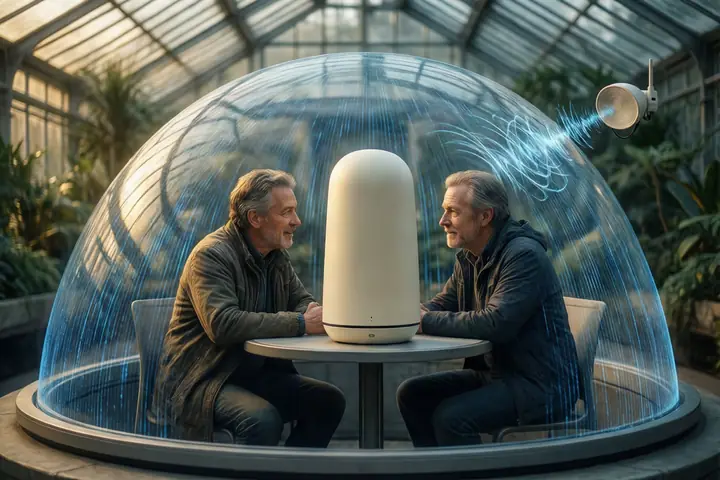
Isolation Barrage
Wandl, The Invader, Ray Cummings · 1932
Blocks anyone from listening in on a conversation by surrounding it with interference.
not yet built · AI models' likeliest decade: the 2020s
A small prizeBusinesses pay; no seller keeps muchas a model judges it
Why
A small prize. Keeping a room or a talk private from listeners is a niche need for those with secrets worth stealing.
Who is paid. Firms and officials guarding secrets buy it, and many makers can build such a blocker so no seller keeps much.
A model's judgement, not a reading, of the idea as if it worked the way its story promises. The model is fairly sure of this one.
Illustration made with AI image generation; not evidence.
Mirror Grid Multiple-View Surveillance Panel
Wandl, The Invader, Ray Cummings · 1932
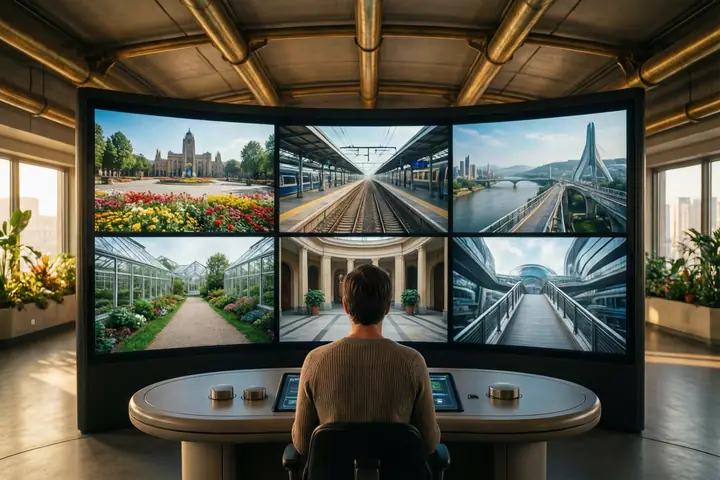
One monitor that shows feeds from many cameras at once and lets the viewer pick any of them.
built in the 1970s, about 40 years after it was imagined
A small prizeBusinesses pay; no seller keeps muchas a model judges it
Why
A small prize. Showing many camera feeds on one screen is a convenience for guards, not a new industry.
Who is paid. Firms and agencies that run cameras buy it, and any screen maker can build it so no seller keeps much.
A model's judgement, not a reading, of the idea as if it worked the way its story promises. The model is fairly sure of this one.
Illustration made with AI image generation; not evidence.
Search Beams
Slaves of Mercury, Nat Schachner · 1932
Rays that see through walls and hulls to show what is inside enclosed spaces.
not yet built · AI models' likeliest decade: the 2020s
A large prizeBusinesses pay; existing firms keep the restas a model judges it
Why
A large prize. Seeing through walls and hulls would change inspection, building, rescue and shipping.
Who is paid. Nothing says it watches people, so mines, builders, shippers and inspectors are assumed to pay, and once built it can be copied, so the firms already making scanning and imaging gear collect.
A model's judgement, not a reading, of the idea as if it worked the way its story promises. The model is not very sure of this one.
Illustration made with AI image generation; not evidence.
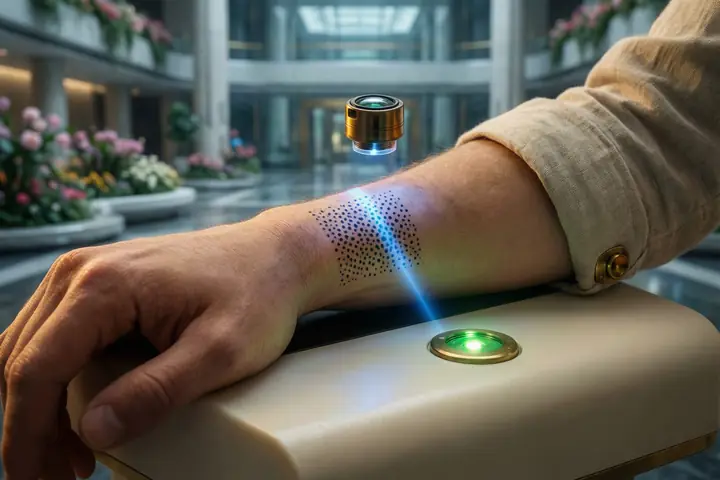
Human Serial Number
Unto Us A Child Is Born, David H. Keller · 1933
Every person carries a permanent identification code inked into the skin, letting authorities track and verify who they are.
not yet built · AI models' likeliest decade: the 2020s
A small prizeA government pays; existing firms keep the restas a model judges it
Why
A small prize. A number inked on every person is an identity paper that cannot be lost, a narrow change to documents a state already issues.
Who is paid. The state pays to mark and register its people, and marking is easy to do, so the firms that already make identity documents and keep the registers collect.
A model's judgement, not a reading, of the idea as if it worked the way its story promises. The model is not very sure of this one.
Illustration made with AI image generation; not evidence.
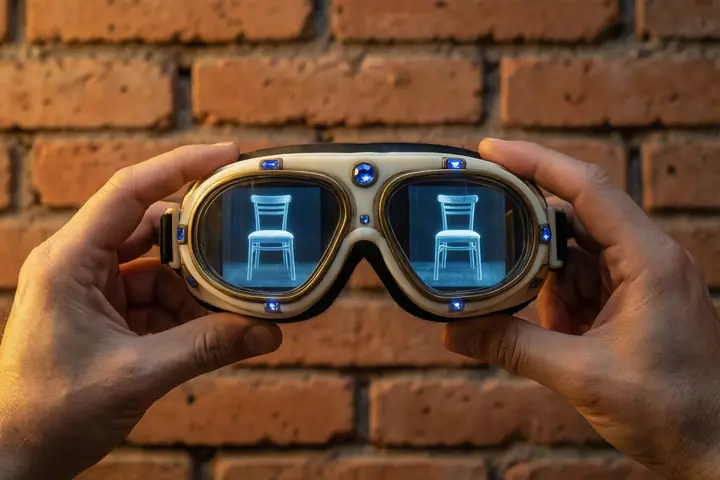
Spy Ray Goggles
Triplanetary, E.E. 'Doc' Smith · 1934
Eyewear that sends out penetrating radiation so the wearer can watch activity hidden behind solid barriers.
not yet built · AI models' likeliest decade: the 2030s
A large prizeA government pays; existing firms keep the restas a model judges it
Why
A large prize. Watching activity behind solid barriers would change police raids, spying and war.
Who is paid. The description says it watches hidden activity, so spy and police services pay, and the firms already supplying them collect.
A model's judgement, not a reading, of the idea as if it worked the way its story promises. The model is not very sure of this one.
Illustration made with AI image generation; not evidence.
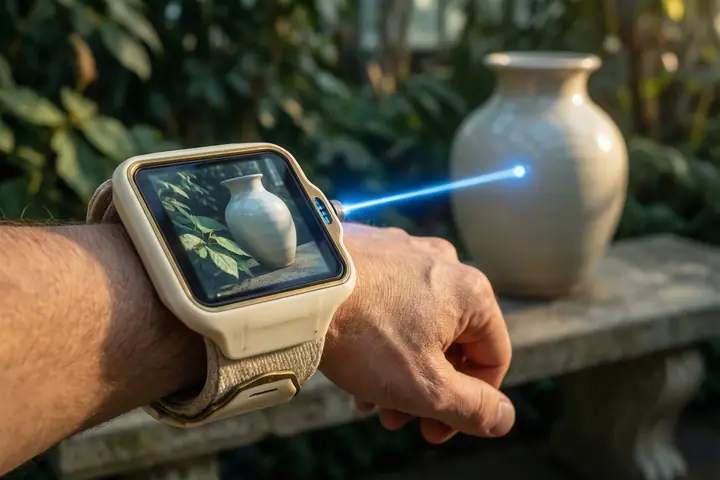
Wrist Search Display
A Matter of Size, Harry Bates · 1934
A wrist-worn screen that sends out a probing beam and displays live images of places nearby.
not yet built · AI models' likeliest decade: the 2040s
A large prizeBusinesses pay; existing firms keep the restas a model judges it
Why
A large prize. Live pictures of nearby places from a beam on the wrist would change scouting, rescue and inspection.
Who is paid. Nothing says it watches people, so firms are assumed to pay; once built it can be copied, so the firms already making imaging gear collect.
A model's judgement, not a reading, of the idea as if it worked the way its story promises. The model is not very sure of this one.
Illustration made with AI image generation; not evidence.
Bloodhound Machine
Crimes of the Year 2000, Ray Cummings · 1935
A detector that identifies an individual reliably by analysing the chemical traces of their body odour.
not yet built · AI models' likeliest decade: the 2030s
A large prizeA government pays; existing firms keep the restas a model judges it
Why
A large prize. Reliable identity from the scent a person leaves behind would do for police and border checks what identity from a body sample does, enough for an industry.
Who is paid. Governments pay to run the checks, and the detector could be copied once made, so existing police and test suppliers collect.
A model's judgement, not a reading, of the idea as if it worked the way its story promises. The model is not very sure of this one.
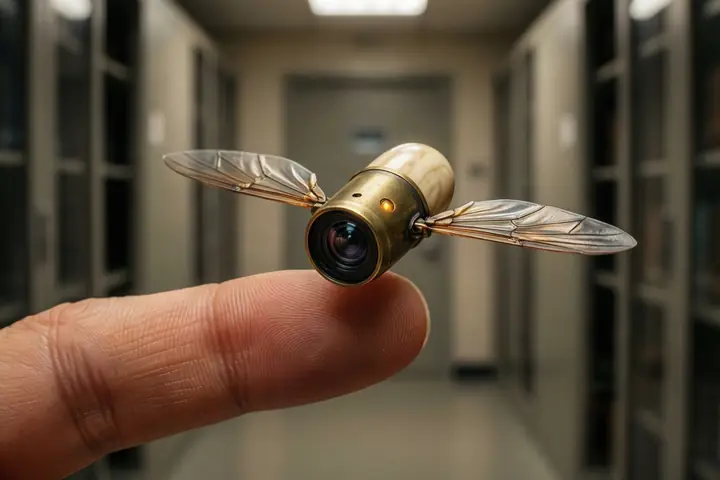
Illustration made with AI image generation; not evidence.
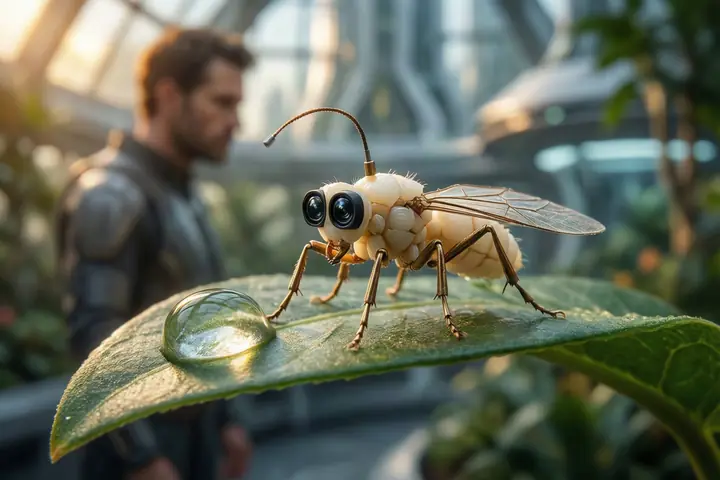
Scarab Robot Flying Insect
The Scarab, Raymond Z. Gallun · 1936
A tiny airborne robot that spies on people and places.
built in the 1990s, about 60 years after it was imagined
A large prizeA government pays; existing firms keep the restas a model judges it
Why
A large prize. A tiny flying robot that spies on people and places changes what police and spy services can learn.
Who is paid. Spy and police services pay, and once made it can be copied, so the firms already supplying such services collect.
A model's judgement, not a reading, of the idea as if it worked the way its story promises. The model is fairly sure of this one.
Illustration made with AI image generation; not evidence.
Zed-Ray
Blood of the Moon, Ray Cummings · 1936
A beam that shows what is inside a sealed container without opening it.
not yet built · AI models' likeliest decade: the 2020s
A large prizeBusinesses pay; existing firms keep the restas a model judges it
Why
A large prize. Seeing inside a sealed container without opening it would change inspection at ports, borders and factories.
Who is paid. Shippers, ports and inspectors pay, and once built it can be copied, so the firms already making scanning gear collect.
A model's judgement, not a reading, of the idea as if it worked the way its story promises. The model is fairly sure of this one.
Illustration made with AI image generation; not evidence.
Poldek
The Saga of Pelican West, Eric Frank Russell · 1937
A way of detecting the presence of living beings nearby.
not yet built · AI models' likeliest decade: the 2020s
A small prizeA government pays; existing firms keep the restas a model judges it
Why
A small prize. Sensing living beings nearby helps searchers, guards and hunters, which is a niche.
Who is paid. Assumes soldiers, police and rescue services are the main buyers; the firms already supplying them collect.
A model's judgement, not a reading, of the idea as if it worked the way its story promises. The model is not very sure of this one.
Illustration made with AI image generation; not evidence.
Subphoton Search Ray
The Shining One, Nat Schachner · 1937
A searching beam that sees inside buried shelters and records what it finds on film.
not yet built · AI models' likeliest decade: the 2030s
A large prizeBusinesses pay; existing firms keep the restas a model judges it
Why
A large prize. Seeing inside buried shelters and other closed places under the ground would change digging, rescue, inspection and scouting.
Who is paid. The description names a kind of place and not the watching of people, so like the other see-through beams firms that dig, build and inspect are assumed to pay, though armies would buy it too, and once built it can be copied, so the firms already making scanning and imaging gear collect.
A model's judgement, not a reading, of the idea as if it worked the way its story promises. The model is not very sure of this one.
Illustration made with AI image generation; not evidence.
Vibration Screen
The Shining One, Nat Schachner · 1937
A shield of rays that blocks electronic eavesdropping.
not yet built · AI models' likeliest decade: the 2020s
A small prizeBusinesses pay; no seller keeps muchas a model judges it
Why
A small prize. A screen of rays against electronic listening protects a private talk, which is a niche.
Who is paid. Firms with secrets to keep buy it, and many makers could build such a blocker so no seller keeps much.
A model's judgement, not a reading, of the idea as if it worked the way its story promises. The model is fairly sure of this one.
Illustration made with AI image generation; not evidence.
Psychoprobe
Satellite Five, Arthur K. Barnes · 1938
A device for pulling the truth out of a person's mind.
not yet built · AI models' likeliest decade: the 2060s
A large prizeA government pays; existing firms keep the restas a model judges it
Why
A large prize. Pulling the truth from a mind would change questioning, courts and spying, as the other mind readers would.
Who is paid. Spy and police services pay, and once made it can be copied, so the firms already supplying such services collect.
A model's judgement, not a reading, of the idea as if it worked the way its story promises. The model is not very sure of this one.
Illustration made with AI image generation; not evidence.
Identification Ring
Sinister Barrier, Eric Frank Russell · 1939
Jewellery that carries detailed personal and biometric data to verify who is wearing it.
not yet built · AI models' likeliest decade: the 2020s
A small prizeA government pays; existing firms keep the restas a model judges it
Why
A small prize. A ring that proves who you are is a convenient form of an identity card.
Who is paid. Assuming an authority issues it as it does a card, the issuing office pays, and the ring is easy to copy, so the firms that already make identity documents collect.
A model's judgement, not a reading, of the idea as if it worked the way its story promises. The model is not very sure of this one.
Illustration made with AI image generation; not evidence.
Ferretscope
If This Goes On..., Robert Heinlein · 1940
A handheld detector that finds hidden microphones and bugs in a room.
built in the 1950s, about 10 years after it was imagined
A small prizeBusinesses pay; no seller keeps muchas a model judges it
Why
A small prize. Finding hidden recorders matters only to the few people and firms who fear being spied on.
Who is paid. Firms and officials guarding secrets buy it, and many makers can build such a detector so no seller keeps much.
A model's judgement, not a reading, of the idea as if it worked the way its story promises. The model is fairly sure of this one.
Illustration made with AI image generation; not evidence.
Planetary ID Card
Doom Over Venus, Edmond Hamilton · 1940
A single identity credential issued to everyone living across the planets and moons of our solar system.
not yet built · AI models' likeliest decade: 2100 or later
A small prizeA government pays; existing firms keep the restas a model judges it
Why
A small prize. A single identity card for everyone is useful to the authority that issues it but is only a card.
Who is paid. Whoever issues the credential pays, assumed here to be a state, and the firms that already make official papers and registers collect.
A model's judgement, not a reading, of the idea as if it worked the way its story promises. The model is fairly sure of this one.
Illustration made with AI image generation; not evidence.
Alterable License Number
Methuselah's Children, Robert Heinlein · 1941
A car plate the driver can change from the seat to show a different registration.
not yet built · AI models' likeliest decade: the 2020s
A small prizeA government pays; existing firms keep the restas a model judges it
Why
A small prize. A plate that can show a false registration is a tool for moving unseen, useful to a few agents and forbidden to ordinary drivers.
Who is paid. Assuming a spy or police service is the lawful buyer, it pays, and since any workshop could build it the firms already trusted with secret supply work collect.
A model's judgement, not a reading, of the idea as if it worked the way its story promises. The model is not very sure of this one.
Illustration made with AI image generation; not evidence.
Automatic Speeding Fine
Old Fireball, Nat Schachner · 1941
Measures a car's speed, logs the offence and sends out the penalty notice without human involvement.
not yet built · AI models' likeliest decade: the 2020s
A small prizeA government pays; existing firms keep the restas a model judges it
Why
A small prize. Catching speeders without an officer saves some police labour but is a narrow tool.
Who is paid. Road authorities pay, and the cameras are easy to copy, so firms that already hold traffic supply contracts collect.
A model's judgement, not a reading, of the idea as if it worked the way its story promises. The model is fairly sure of this one.
Illustration made with AI image generation; not evidence.
Traffic Control Camera
Methuselah's Children, Robert Heinlein · 1941
Roadside cameras that automatically read and record the number plates of passing vehicles.
built in the 1960s, about 20 years after it was imagined
A small prizeA government pays; existing firms keep the restas a model judges it
Why
A small prize. Reading number plates automatically helps enforce traffic rules, a narrow public task.
Who is paid. Road and police authorities pay, and the firms that already supply roadside equipment collect.
A model's judgement, not a reading, of the idea as if it worked the way its story promises. The model is fairly sure of this one.
Illustration made with AI image generation; not evidence.
Visigraphic Crowd Emotional Record
Gather, Darkness!, Fritz Leiber · 1943
Charts the collective moods of a gathered audience as a visual trace.
not yet built · AI models' likeliest decade: the 2020s
A small prizeBusinesses pay; no seller keeps muchas a model judges it
Why
A small prize. Charting the mood of an audience helps those who stage shows, speeches and meetings, which is a niche.
Who is paid. The description says an audience and not a crowd to be policed, so showmen and campaigners are assumed to pay, and such an instrument is easy for many makers to copy.
A model's judgement, not a reading, of the idea as if it worked the way its story promises. The model is not very sure of this one.
Illustration made with AI image generation; not evidence.
Electronic Locator
World of Null-A, A.E. van Vogt · 1945
A gadget that pinpoints where a particular individual is.
built in 1973, 28 years after it was imagined
A large prizeA government pays; existing firms keep the restas a model judges it
Why
A large prize. Finding any chosen person wherever they are would change police work, rescue and manhunts enough to be an industry.
Who is paid. Police and security services pay, and once shown to work others could build it, so existing police suppliers collect.
A model's judgement, not a reading, of the idea as if it worked the way its story promises. The model is not very sure of this one.
Illustration made with AI image generation; not evidence.
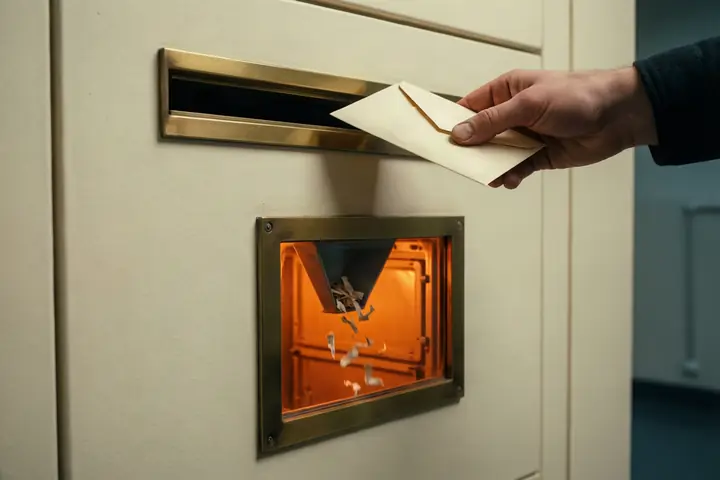
Memory Hole
1984 (Nineteen Eighty-Four), George Orwell · 1948
A wall slot that sends inconvenient papers off to be burned.
not yet built · AI models' likeliest decade: the 2020s
A small prizeA government pays; no seller keeps muchas a model judges it
Why
A small prize. A chute that sends papers to a furnace is a minor office fitting.
Who is paid. A government office pays, and any builder could fit a chute and furnace so no seller keeps much.
A model's judgement, not a reading, of the idea as if it worked the way its story promises. The model is fairly sure of this one.
Illustration made with AI image generation; not evidence.
Rewriting History
1984 (Nineteen Eighty-Four), George Orwell · 1948
Systematically altering archives so the past always matches what the rulers now claim.
not yet built · AI models' likeliest decade: the 2020s
A small prizeA government pays; existing firms keep the restas a model judges it
Why
A small prize. Keeping every archive in step with what the rulers now say is a records task for the state that orders it, a narrow gain to those rulers and not a new industry.
Who is paid. The state pays, whether its own clerks do the work or a supplier does, just as it pays for the serial-number scheme, and systems for altering records are easy to build, so the firms that already run government records collect.
A model's judgement, not a reading, of the idea as if it worked the way its story promises. The model is not very sure of this one.
Illustration made with AI image generation; not evidence.
Telescreen
1984 (Nineteen Eighty-Four), George Orwell · 1948
A two-way screen in every home that broadcasts to residents while watching them.
built in the 1940s, about 0 years after it was imagined
A large prizeA government pays; existing firms keep the restas a model judges it
Why
A large prize. A watching screen in every home gives a state sight of its whole people, at the people's cost.
Who is paid. The state pays to fit every home, and screens with cameras are easy to make, so the firms already making them collect.
A model's judgement, not a reading, of the idea as if it worked the way its story promises. The model is fairly sure of this one.
Illustration made with AI image generation; not evidence.
Anti-Spying Device
Foundation, Isaac Asimov · 1951
A countermeasure that blocks remote eavesdropping on a room.
built since, date unclear
A small prizeBusinesses pay; no seller keeps muchas a model judges it
Why
A small prize. Keeping a room or a talk private from listeners is a niche need for those with secrets worth stealing.
Who is paid. Firms and officials guarding secrets buy it, and many makers can build such a blocker so no seller keeps much.
A model's judgement, not a reading, of the idea as if it worked the way its story promises. The model is fairly sure of this one.
Illustration made with AI image generation; not evidence.
Spy Beam
Foundation, Isaac Asimov · 1951
A remote listening device aimed into a room to pick up what people inside are saying.
built since, date unclear
A small prizeA government pays; existing firms keep the restas a model judges it
Why
A small prize. Listening into a room from outside is a spy's tool, useful in a narrow set of cases.
Who is paid. Spy and police services pay, and once made it can be copied, so the firms already supplying such services collect.
A model's judgement, not a reading, of the idea as if it worked the way its story promises. The model is fairly sure of this one.
Illustration made with AI image generation; not evidence.
Static Field
Foundation, Isaac Asimov · 1951
A jamming field that stops remote listening devices from overhearing a conversation.
not yet built · AI models' likeliest decade: the 2020s
A small prizeBusinesses pay; no seller keeps muchas a model judges it
Why
A small prize. Jamming remote listening protects a private talk, which is a niche.
Who is paid. Firms with secrets to keep buy it, and many makers could build such a blocker so no seller keeps much.
A model's judgement, not a reading, of the idea as if it worked the way its story promises. The model is fairly sure of this one.
Illustration made with AI image generation; not evidence.
Ultra-Light
Rock Diver, Harry Harrison · 1951
A lamp-like scanner that lets its user look inside solid stone.
not yet built · AI models' likeliest decade: the 2030s
A large prizeBusinesses pay; existing firms keep the restas a model judges it
Why
A large prize. Looking inside solid stone would change mining, tunnelling and building.
Who is paid. Mines, builders, shippers and inspectors pay, and once built it can be copied, so the firms already making scanning and imaging gear collect.
A model's judgement, not a reading, of the idea as if it worked the way its story promises. The model is fairly sure of this one.
Illustration made with AI image generation; not evidence.
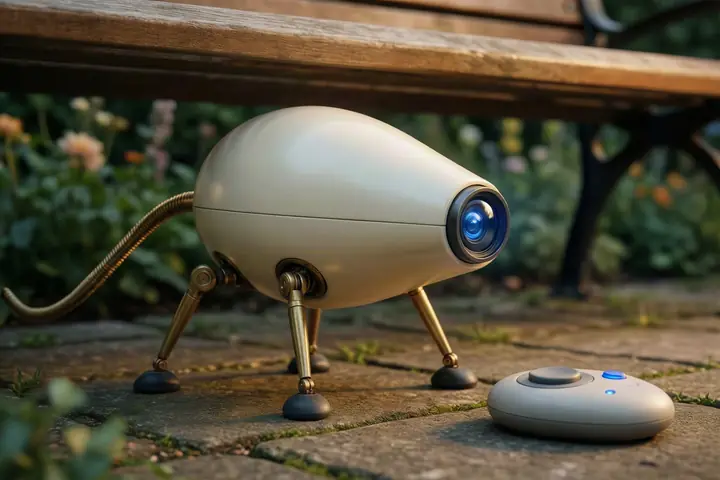
Electronic Spy
Ring Around the Sun, Clifford Simak · 1952
A self-guided hidden gadget that shadows a person and logs what they do.
not yet built · AI models' likeliest decade: the 2020s
A large prizeA government pays; existing firms keep the restas a model judges it
Why
A large prize. Spying machines too small to notice would change what police and spy services can learn, enough for an industry of its own.
Who is paid. Spy and police services pay, and once made they can be copied, so the firms already supplying such services collect.
A model's judgement, not a reading, of the idea as if it worked the way its story promises. The model is fairly sure of this one.
Illustration made with AI image generation; not evidence.
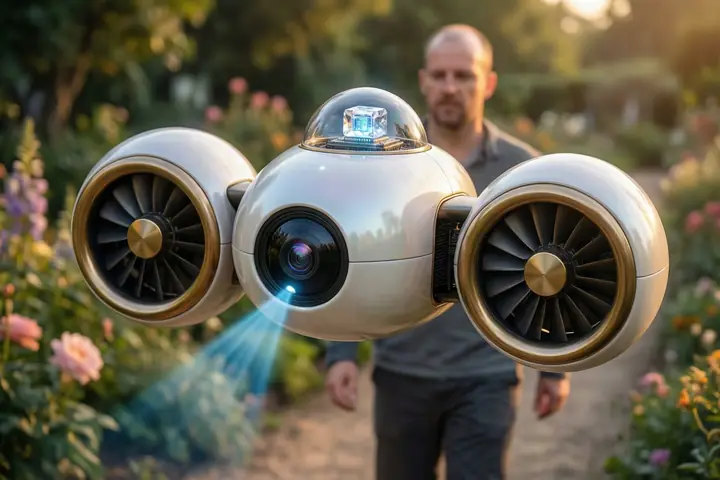
Spy-Eyes
Manners of the Age, H.B. Fyfe · 1952
Miniature flying drones that watch and record people.
not yet built · AI models' likeliest decade: the 2020s
A large prizeA government pays; existing firms keep the restas a model judges it
Why
A large prize. Miniature flying drones that watch and record people change what police and spy services can learn.
Who is paid. Spy and police services pay, and once made it can be copied, so the firms already supplying such services collect.
A model's judgement, not a reading, of the idea as if it worked the way its story promises. The model is fairly sure of this one.
Illustration made with AI image generation; not evidence.
Cephaloscope
The Houses of Iszm, Jack Vance · 1954
An instrument that reads a subject's head to reveal whether they are telling the truth.
not yet built · AI models' likeliest decade: the 2040s
A large prizeA government pays; existing firms keep the restas a model judges it
Why
A large prize. A machine that reliably shows whether someone is lying would change courts, policing and hiring.
Who is paid. Courts and police pay first, and once it works others could build it, so the firms already supplying police and courts collect.
A model's judgement, not a reading, of the idea as if it worked the way its story promises. The model is not very sure of this one.
Illustration made with AI image generation; not evidence.
Radiant
The Houses of Iszm, Jack Vance · 1954
A chip placed under the skin of the shoulder that reports where its bearer is and who they are.
not yet built · AI models' likeliest decade: the 2020s
A large prizeA government pays; existing firms keep the restas a model judges it
Why
A large prize. A chip under the skin that reports place and identity cannot be left behind, so it gives a state a full account of where people are.
Who is paid. Assumes a state requires it; the chips are easy to make, so the firms already supplying identity systems collect.
A model's judgement, not a reading, of the idea as if it worked the way its story promises. The model is not very sure of this one.
Illustration made with AI image generation; not evidence.
Radiant Shield
The Houses of Iszm, Jack Vance · 1954
A device that blocks an implanted tracking chip from being detected or scanned.
not yet built · AI models' likeliest decade: the 2020s
A small prizeA government pays; existing firms keep the restas a model judges it
Why
A small prize. Hiding a tracking chip from scanners is useful only to a few who must move unseen.
Who is paid. Assumes hiding a required chip is unlawful for the public, so a spy or police service is the buyer, and the firms already supplying such services collect.
A model's judgement, not a reading, of the idea as if it worked the way its story promises. The model is not very sure of this one.
Illustration made with AI image generation; not evidence.
Sentry Trees
The Houses of Iszm, Jack Vance · 1954
Living trees that guard a boundary and let through only people carrying the correct signal.
not yet built · AI models' likeliest decade: the 2080s
A small prizeBusinesses pay; no seller keeps muchas a model judges it
Why
A small prize. A living fence that lets through only those with the correct signal is a kind of lock for a boundary.
Who is paid. Assumes landowners and firms buy it; once such trees exist others could grow them, so no seller keeps much.
A model's judgement, not a reading, of the idea as if it worked the way its story promises. The model is not very sure of this one.
Illustration made with AI image generation; not evidence.
Tri-Type Record
The Houses of Iszm, Jack Vance · 1954
An identity card holding a person's records along with an exact three-dimensional image of them.
not yet built · AI models' likeliest decade: the 2020s
A small prizeA government pays; existing firms keep the restas a model judges it
Why
A small prize. An identity card with a full image of its holder is a better card, a convenience for the authority that issues it.
Who is paid. Whoever issues the credential pays, assumed here to be a state, and the firms that already make official papers and registers collect.
A model's judgement, not a reading, of the idea as if it worked the way its story promises. The model is fairly sure of this one.
Illustration made with AI image generation; not evidence.
Truth Meter
The Star Beast, Robert Heinlein · 1954
A device that shows whether a person is lying.
already existed before the story (the 1920s)
A large prizeA government pays; existing firms keep the restas a model judges it
Why
A large prize. Knowing for certain whether someone lies would change courts, policing and hiring; the real devices fall well short of this promise.
Who is paid. Courts and police are assumed to be the main buyers, and once made it can be copied, so the firms already supplying them collect.
A model's judgement, not a reading, of the idea as if it worked the way its story promises. The model is not very sure of this one.
Illustration made with AI image generation; not evidence.
Anti-Burglar Installations
The Angry House, Richard R. Smith · 1955
Automated defences built into a smart house to repel intruders.
not yet built · AI models' likeliest decade: the 2020s
A small prizeHouseholds pay; existing firms keep the restas a model judges it
Why
A small prize. Defences that fight off burglars are an extra on a home alarm, and the risk of hurting people keeps the market narrow.
Who is paid. Home owners pay, assuming a house system, and it is easy to copy so the security firms that already fit alarms collect.
A model's judgement, not a reading, of the idea as if it worked the way its story promises. The model is not very sure of this one.
Illustration made with AI image generation; not evidence.
Eagle With Camera
Exploration Team, Murray Leinster · 1956
A trained bird of prey carrying a camera that beams back what it sees.
not yet built · AI models' likeliest decade: the 2020s
A small prizeA government pays; existing firms keep the restas a model judges it
Why
A small prize. A trained bird with a camera is a scouting curiosity that flying machines do better.
Who is paid. Assuming scouts or armies are the buyers, they pay, and training a bird and fitting a camera can be copied, so the firms already supplying them collect.
A model's judgement, not a reading, of the idea as if it worked the way its story promises. The model is not very sure of this one.
Illustration made with AI image generation; not evidence.
Juvenile
The Man Who Japed, Philip K. Dick · 1956
A small machine built to creep around unseen and snoop on citizens.
not yet built · AI models' likeliest decade: the 2030s
A large prizeA government pays; existing firms keep the restas a model judges it
Why
A large prize. Spying machines too small to notice would change what police and spy services can learn, enough for an industry of its own.
Who is paid. Spy and police services pay, and once made they can be copied, so the firms already supplying such services collect.
A model's judgement, not a reading, of the idea as if it worked the way its story promises. The model is fairly sure of this one.
Illustration made with AI image generation; not evidence.
Precrime Analytical Wing
The Minority Report, Philip K. Dick · 1956
The police division that houses psychic seers and the equipment used to record and study their forecasts of crimes.
not yet built · AI models judge it not physically possible
A large prizeA government pays; existing firms keep the restas a model judges it
Why
A large prize. Knowing of serious crimes before they happen would change policing altogether, if the forecasts were right as the story promises.
Who is paid. The state pays and keeps the seers itself; what is bought is the recording equipment, which the firms already supplying police could make.
A model's judgement, not a reading, of the idea as if it worked the way its story promises. The model is not very sure of this one.
Illustration made with AI image generation; not evidence.
Undercover Detective Robot
The Velvet Glove, Harry Harrison · 1956
A police machine that disguises itself as other kinds of robot to watch criminals.
not yet built · AI models' likeliest decade: the 2030s
A small prizeA government pays; existing firms keep the restas a model judges it
Why
A small prize. A police robot that passes for another kind of robot serves undercover work, which is a niche.
Who is paid. Police forces pay, and gear sold to them goes through the firms that already hold their supply contracts.
A model's judgement, not a reading, of the idea as if it worked the way its story promises. The model is not very sure of this one.
Illustration made with AI image generation; not evidence.
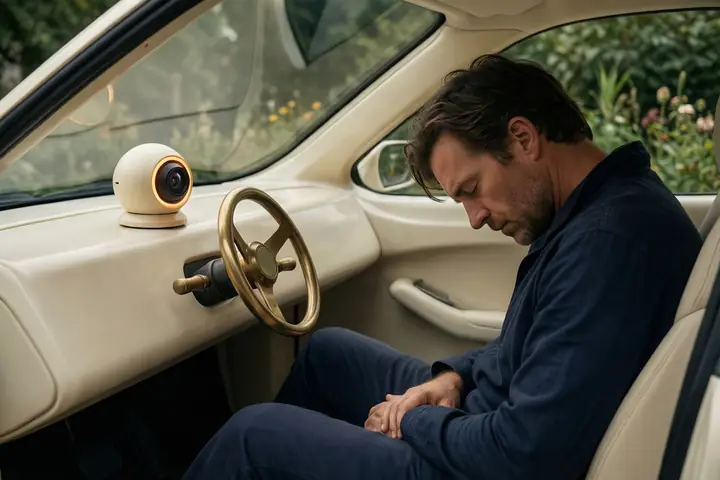
Vehicle Sleep Sensor
The Velvet Glove, Harry Harrison · 1956
A vehicle system that notices when its driver is nodding off.
built in the 2000s, about 50 years after it was imagined
A small prizeHouseholds pay; existing firms keep the restas a model judges it
Why
A small prize. Warning a driver who is nodding off is a safety feature within a car, not an industry of its own.
Who is paid. Drivers pay for it in the price of the car, and it is easy to copy, so car makers and their parts suppliers collect.
A model's judgement, not a reading, of the idea as if it worked the way its story promises. The model is fairly sure of this one.
Illustration made with AI image generation; not evidence.
Eavesdropper
Cities in Flight, James Blish · 1957
A gadget that reveals hidden microphones or recorders nearby.
built since, date unclear
A small prizeBusinesses pay; no seller keeps muchas a model judges it
Why
A small prize. Finding hidden recorders matters only to the few people and firms who fear being spied on.
Who is paid. Firms and officials guarding secrets buy it, and many makers can build such a detector so no seller keeps much.
A model's judgement, not a reading, of the idea as if it worked the way its story promises. The model is fairly sure of this one.
Illustration made with AI image generation; not evidence.
Machine Surveillance
Cities in Flight, James Blish · 1957
Thinking computers that watch every exchange between a city's residents in order to learn from them.
built in the 2000s, about 50 years after it was imagined
A large prizeA government pays; existing firms keep the restas a model judges it
Why
A large prize. Computers that watch every exchange in a city change the cost of governing and policing it.
Who is paid. The city pays, and such systems can be copied, so the firms already running government computer systems collect.
A model's judgement, not a reading, of the idea as if it worked the way its story promises. The model is not very sure of this one.
Illustration made with AI image generation; not evidence.
Neural Door Lock
The Unreconstructed M, Philip K. Dick · 1957
A lock that opens only for people whose nervous system signals match its records.
not yet built · AI models' likeliest decade: the 2030s
A small prizeBusinesses pay; no seller keeps muchas a model judges it
Why
A small prize. A lock that knows its owner by nerve signals is one more kind of lock, a convenience.
Who is paid. Firms and building owners buy it, and a lock that reads the body is easy for any maker to copy so no seller keeps much.
A model's judgement, not a reading, of the idea as if it worked the way its story promises. The model is not very sure of this one.
Illustration made with AI image generation; not evidence.
Police Detection Robot
The Unreconstructed M, Philip K. Dick · 1957
A machine that gathers evidence at crime scenes automatically.
built in the 2010s, about 60 years after it was imagined
A small prizeA government pays; existing firms keep the restas a model judges it
Why
A small prize. Automatic gathering of evidence at a crime scene saves investigators' time, which is a niche.
Who is paid. Police forces pay, and gear sold to them goes through the firms that already hold their supply contracts.
A model's judgement, not a reading, of the idea as if it worked the way its story promises. The model is fairly sure of this one.
Illustration made with AI image generation; not evidence.
Espionage Machine
No, No, Not Rogov!, Cordwainer Smith · 1958
A machine that lets its user feel another person's sensations from far away.
not yet built · AI models could not judge when it may arrive
A large prizeA government pays; existing firms keep the restas a model judges it
Why
A large prize. Feeling what a distant person feels would be a spying tool of great worth to a state, enough to count as an industry.
Who is paid. Spy services pay, and I assume that once it worked others could build it, so the firms already trusted with secret work collect.
A model's judgement, not a reading, of the idea as if it worked the way its story promises. The model is not very sure of this one.
Illustration made with AI image generation; not evidence.
Life Detector
Cease Fire, Frank Herbert · 1958
A sensor that picks up any living bodies within a set distance.
built since, date unclear
A small prizeA government pays; existing firms keep the restas a model judges it
Why
A small prize. Sensing hidden living bodies nearby helps soldiers, hunters and rescuers but is a specialist tool.
Who is paid. Armies and rescue services pay, and it could be copied, so the firms already supplying them collect.
A model's judgement, not a reading, of the idea as if it worked the way its story promises. The model is not very sure of this one.
Illustration made with AI image generation; not evidence.
Life Detector Shield
Cease Fire, Frank Herbert · 1958
A field meant to hide living bodies from sensors that search for them.
not yet built · AI models' likeliest decade: the 2030s
A small prizeA government pays; existing firms keep the restas a model judges it
Why
A small prize. Hiding a body from life-sign sensors matters only to soldiers and agents, a niche.
Who is paid. Armies pay, and it could be copied once made, so the firms already holding army supply contracts collect.
A model's judgement, not a reading, of the idea as if it worked the way its story promises. The model is fairly sure of this one.
Illustration made with AI image generation; not evidence.
Magnetic Pinions
Worlds of Origin, Jack Vance · 1958
Wrist restraints that can be locked or released from a distance using magnetism.
not yet built · AI models' likeliest decade: the 2030s
A small prizeA government pays; existing firms keep the restas a model judges it
Why
A small prize. Restraints that lock and open from a distance are a small improvement on handcuffs.
Who is paid. Police forces pay, and the device is simple to copy, so the firms already supplying police equipment collect.
A model's judgement, not a reading, of the idea as if it worked the way its story promises. The model is fairly sure of this one.
Illustration made with AI image generation; not evidence.
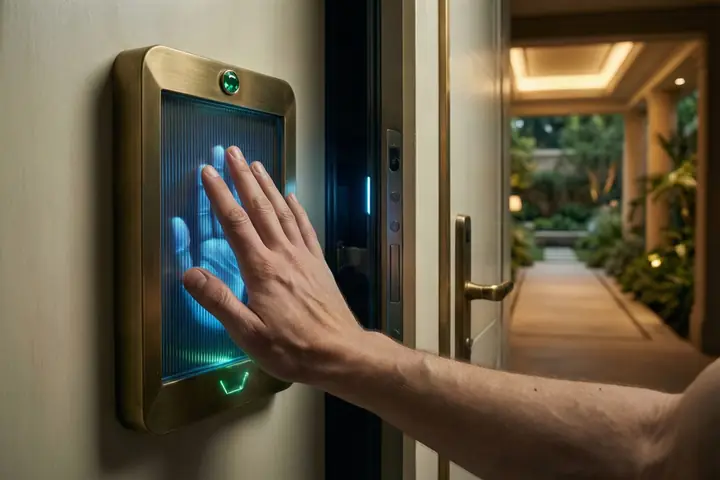
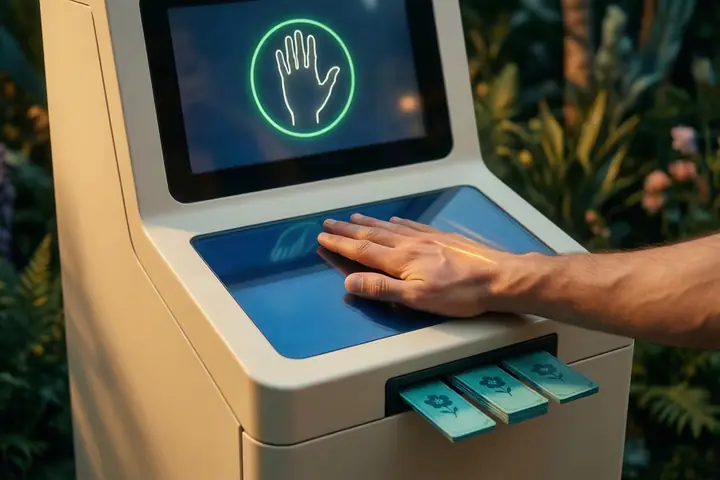
Palm Plate
The Mechanical Monarch, E.C. Tubb · 1958
A door lock that checks the handprint of whoever wants to enter.
built in the 2000s, about 50 years after it was imagined
A small prizeBusinesses pay; no seller keeps muchas a model judges it
Why
A small prize. A door lock that checks a handprint is a convenience over a key.
Who is paid. Firms and building owners buy it, and a lock that reads the body is easy for any maker to copy so no seller keeps much.
A model's judgement, not a reading, of the idea as if it worked the way its story promises. The model is fairly sure of this one.
Illustration made with AI image generation; not evidence.
Predictable Crime
All the Troubles in the World, Isaac Asimov · 1958
Offences that a computer forecasts before anyone commits them.
not yet built · AI models' likeliest decade: the 2040s
A large prizeA government pays; existing firms keep the restas a model judges it
Why
A large prize. Judged as the forecasting computer behind it, knowing of crimes before they happen would change policing altogether.
Who is paid. Assumes the thing sold is the forecasting computer; the state pays, and the firms already building its computer systems collect.
A model's judgement, not a reading, of the idea as if it worked the way its story promises. The model is not very sure of this one.
Illustration made with AI image generation; not evidence.
Flying Eye
The Repairman, Harry Harrison · 1959
A remotely piloted aircraft that flies over an area to watch it.
built in the 1970s, about 20 years after it was imagined
A large prizeA government pays; existing firms keep the restas a model judges it
Why
A large prize. Cheap flying watchers change the cost of policing, border watch and scouting enough to be an industry of their own.
Who is paid. Police forces and armies pay, and since many firms can build such craft the money goes to those already holding security and defence supply contracts.
A model's judgement, not a reading, of the idea as if it worked the way its story promises. The model is fairly sure of this one.
Illustration made with AI image generation; not evidence.
Infiltrators
Vulcan's Hammer, Philip K. Dick · 1960
Tiny insect-like spying machines.
not yet built · AI models' likeliest decade: the 2030s
A large prizeA government pays; existing firms keep the restas a model judges it
Why
A large prize. Spying machines too small to notice would change what police and spy services can learn, enough for an industry of its own.
Who is paid. Spy and police services pay, and once made they can be copied, so the firms already supplying such services collect.
A model's judgement, not a reading, of the idea as if it worked the way its story promises. The model is fairly sure of this one.
Illustration made with AI image generation; not evidence.
Robot Tracking Device
Vulcan's Hammer, Philip K. Dick · 1960
A small unmanned aircraft steered by a thinking computer to follow people.
built in the 1970s, about 10 years after it was imagined
A large prizeA government pays; existing firms keep the restas a model judges it
Why
A large prize. A small aircraft that follows chosen people by itself changes what police can do, like the other flying watchers.
Who is paid. Spy and police services pay, and once made it can be copied, so the firms already supplying such services collect.
A model's judgement, not a reading, of the idea as if it worked the way its story promises. The model is fairly sure of this one.
Illustration made with AI image generation; not evidence.
IntruGrab
The Hunch, Christopher Anvil · 1961
An automated security setup that detains trespassers.
not yet built · AI models' likeliest decade: the 2020s
A small prizeHouseholds pay; existing firms keep the restas a model judges it
Why
A small prize. A system that holds trespassers is an extra on an alarm, and the risk of hurting people keeps the market narrow.
Who is paid. Home owners pay, assuming a house system, and it is easy to copy so the security firms that already fit alarms collect.
A model's judgement, not a reading, of the idea as if it worked the way its story promises. The model is not very sure of this one.
Illustration made with AI image generation; not evidence.
Rat-Robot
Anything You Can Do, Gordon Randall Garrett · 1962
A small remote-controlled robot used for spying.
built in the 1970s, about 10 years after it was imagined
A large prizeA government pays; existing firms keep the restas a model judges it
Why
A large prize. A small remote robot for spying changes what police and spy services can learn, like the other tiny spy machines.
Who is paid. Spy and police services pay, and once made it can be copied, so the firms already supplying such services collect.
A model's judgement, not a reading, of the idea as if it worked the way its story promises. The model is fairly sure of this one.
Illustration made with AI image generation; not evidence.
Veridicator
Little Fuzzy, H. Beam Piper · 1962
A lie detector that turns body signals into colours showing truthfulness.
built in the 2010s, about 50 years after it was imagined
A large prizeA government pays; existing firms keep the restas a model judges it
Why
A large prize. A lie detector that truly worked would change courts, policing and hiring; the real devices fall well short of this promise.
Who is paid. Courts and police are assumed to be the main buyers, and once made it can be copied, so the firms already supplying them collect.
A model's judgement, not a reading, of the idea as if it worked the way its story promises. The model is not very sure of this one.
Illustration made with AI image generation; not evidence.
Tattletale
The Game Players of Titan, Philip K. Dick · 1963
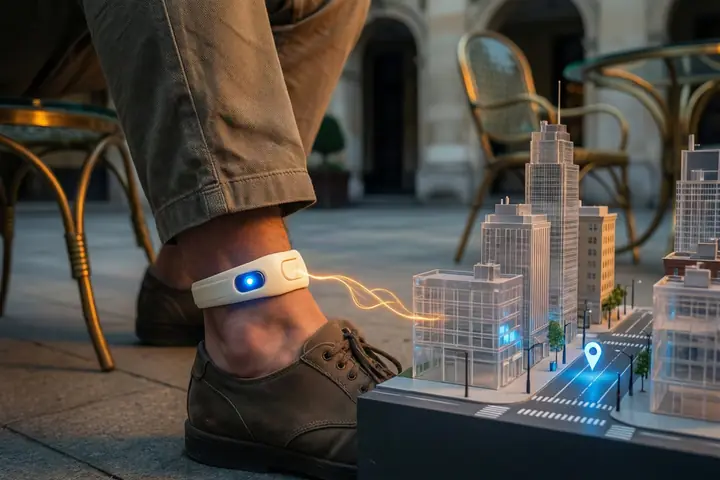
A tracking tag fixed to a suspect so authorities always know their location.
built in the 2000s, about 40 years after it was imagined
A small prizeA government pays; existing firms keep the restas a model judges it
Why
A small prize. A tag fixed to a suspect tracks only those already caught, so it is a narrow police tool.
Who is paid. Police forces pay, and gear sold to them goes through the firms that already hold their supply contracts.
A model's judgement, not a reading, of the idea as if it worked the way its story promises. The model is fairly sure of this one.
Illustration made with AI image generation; not evidence.
Bug Chasers
Lies, Inc., Philip K. Dick · 1964
Devices that find and defeat hidden listening equipment.
built since, date unclear
A small prizeBusinesses pay; no seller keeps muchas a model judges it
Why
A small prize. Finding hidden recorders matters only to the few people and firms who fear being spied on.
Who is paid. Firms and officials guarding secrets buy it, and many makers can build such a detector so no seller keeps much.
A model's judgement, not a reading, of the idea as if it worked the way its story promises. The model is fairly sure of this one.
Illustration made with AI image generation; not evidence.
Cephalic Sniffer
Clans of the Alphane Moon, Philip K. Dick · 1964
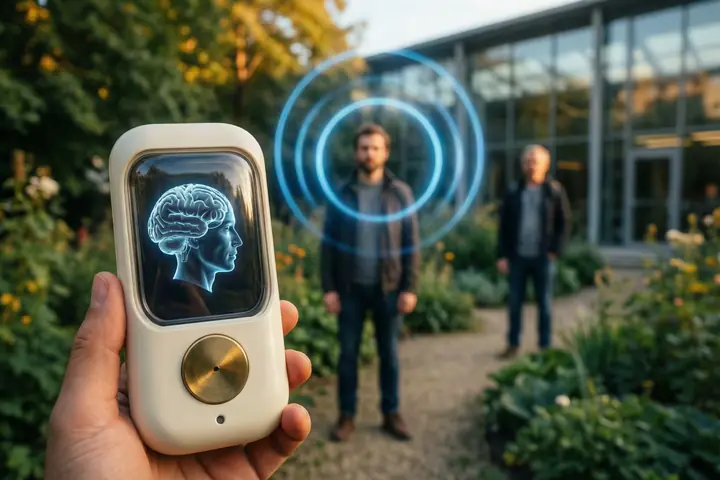
A device that locates a specific person by their brain activity.
not yet built · AI models' likeliest decade: the 2050s
A large prizeA government pays; existing firms keep the restas a model judges it
Why
A large prize. Finding any chosen person wherever they are would change police work, rescue and manhunts enough to be an industry.
Who is paid. Police and security services pay, and once shown to work others could build it, so existing police suppliers collect.
A model's judgement, not a reading, of the idea as if it worked the way its story promises. The model is not very sure of this one.
Illustration made with AI image generation; not evidence.
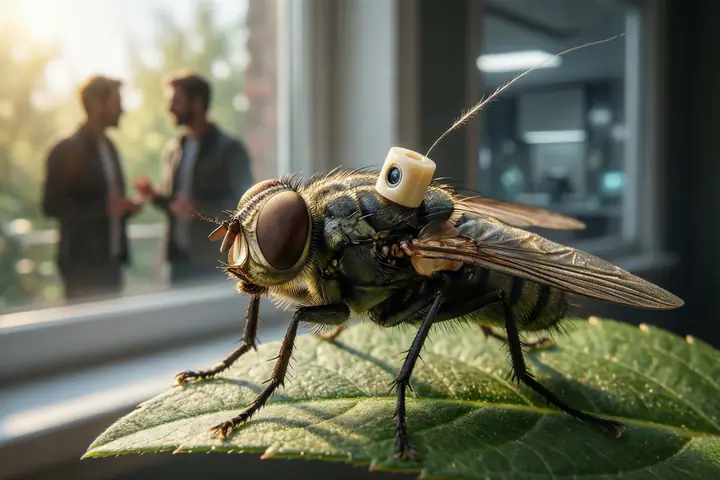
Housefly Monitor
Lies, Inc., Philip K. Dick · 1964
A real insect fitted with sensors to spy on people.
not yet built · AI models' likeliest decade: the 2040s
A small prizeA government pays; existing firms keep the restas a model judges it
Why
A small prize. A living insect turned into a watcher is a niche spy tool, since small flying machines do the same job more reliably.
Who is paid. Spy services pay, and the few firms already trusted with secret supply work collect because others could copy the method.
A model's judgement, not a reading, of the idea as if it worked the way its story promises. The model is not very sure of this one.
Illustration made with AI image generation; not evidence.
Ident-Key
The Penultimate Truth, Philip K. Dick · 1964
A record of everything a person has read, used to forecast their thinking.
not yet built · AI models' likeliest decade: the 2030s
A large prizeBusinesses pay; existing firms keep the restas a model judges it
Why
A large prize. Forecasting what people think from all they have read would be prized by sellers and campaigners, enough for an industry.
Who is paid. Firms wanting to sway people pay, and the firms that already see what people read hold the records and collect.
A model's judgement, not a reading, of the idea as if it worked the way its story promises. The model is not very sure of this one.
Illustration made with AI image generation; not evidence.
Stick-Tight
The Star King, Jack Vance · 1964
Small tailing devices that follow a target and record audio or video.
built in the 2000s, about 40 years after it was imagined
A large prizeA government pays; existing firms keep the restas a model judges it
Why
A large prize. Small machines that tail a person and record them change what police and spy services can learn.
Who is paid. Spy and police services pay, and once made it can be copied, so the firms already supplying such services collect.
A model's judgement, not a reading, of the idea as if it worked the way its story promises. The model is fairly sure of this one.
Illustration made with AI image generation; not evidence.
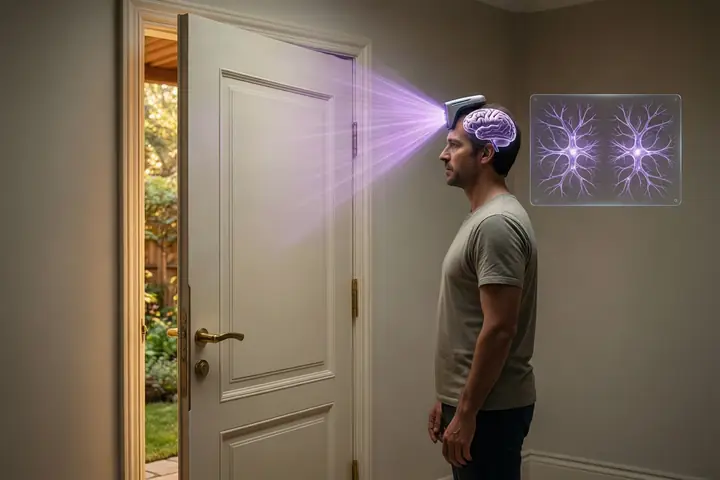
Cephalic Pattern Door
The Zap Gun, Philip K. Dick · 1965
A door that opens only for people whose brain patterns it recognises.
not yet built · AI models' likeliest decade: the 2040s
A small prizeBusinesses pay; no seller keeps muchas a model judges it
Why
A small prize. A door that knows its owner's brain pattern is a fancier lock, a convenience.
Who is paid. Firms guarding secure rooms buy it, assuming office use, and once built it could be copied by any lock maker so no seller keeps much.
A model's judgement, not a reading, of the idea as if it worked the way its story promises. The model is not very sure of this one.
Illustration made with AI image generation; not evidence.
Palm Lock
Dune, Frank Herbert · 1965
A lock keyed to one person's handprint.
built in the 2000s, about 40 years after it was imagined
A small prizeBusinesses pay; no seller keeps muchas a model judges it
Why
A small prize. A lock keyed to a handprint is a convenience over a key.
Who is paid. Firms and building owners buy it, and a lock that reads the body is easy for any maker to copy so no seller keeps much.
A model's judgement, not a reading, of the idea as if it worked the way its story promises. The model is fairly sure of this one.
Illustration made with AI image generation; not evidence.
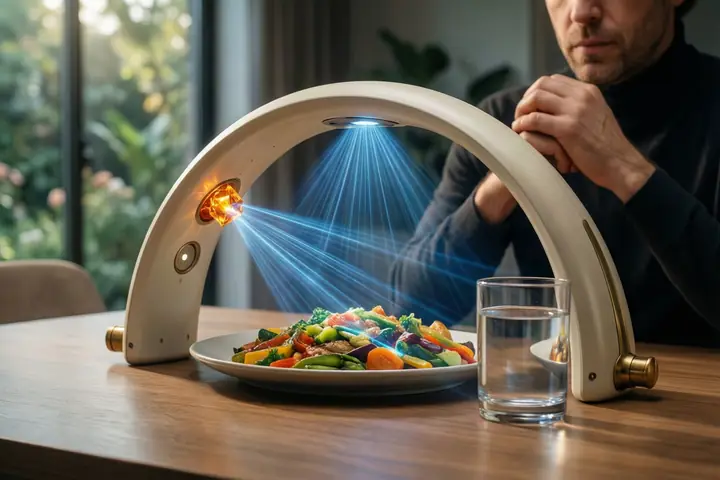
Poison Snooper
Dune, Frank Herbert · 1965
A scanner that checks meals and drinks for toxins.
built in the 2020s, about 60 years after it was imagined
A large prizeBusinesses pay; existing firms keep the restas a model judges it
Why
A large prize. Reliable checking of food and drink for poison would be worth an industry of its own to those who make and serve food.
Who is paid. Assumes food makers, kitchens and inspectors are the main buyers; it can be copied, so the firms already making test instruments collect.
A model's judgement, not a reading, of the idea as if it worked the way its story promises. The model is not very sure of this one.
Illustration made with AI image generation; not evidence.
Police Control-Override
A Plague of Demons, Keith Laumer · 1965
Lets police take control of a private car remotely.
not yet built · AI models' likeliest decade: the 2020s
A small prizeA government pays; existing firms keep the restas a model judges it
Why
A small prize. Stopping a fleeing car from afar is a useful police tool but a narrow one.
Who is paid. Police forces pay, and gear sold to them goes through the firms that already hold their supply contracts.
A model's judgement, not a reading, of the idea as if it worked the way its story promises. The model is fairly sure of this one.
Illustration made with AI image generation; not evidence.
Remote-Cast Snooper
Dune, Frank Herbert · 1965
A compact, concealable toxin scanner.
not yet built · AI models' likeliest decade: the 2030s
A large prizeBusinesses pay; existing firms keep the restas a model judges it
Why
A large prize. A toxin scanner small enough to hide does the same work as the larger poison checker, worth an industry to those who make and serve food.
Who is paid. Assumes food makers, kitchens and inspectors are the main buyers; it can be copied, so the firms already making test instruments collect.
A model's judgement, not a reading, of the idea as if it worked the way its story promises. The model is not very sure of this one.
Illustration made with AI image generation; not evidence.
Auto-Scan
This Moment of the Storm, Roger Zelazny · 1966
Software that steers remote spy drones automatically.
built in the 2000s, about 40 years after it was imagined
A large prizeA government pays; existing firms keep the restas a model judges it
Why
A large prize. Drones that steer themselves let a few people watch wide areas, which is what makes flying watchers an industry.
Who is paid. Police and armies pay, and such software can be written by many, so the firms already supplying the drones collect.
A model's judgement, not a reading, of the idea as if it worked the way its story promises. The model is fairly sure of this one.
Illustration made with AI image generation; not evidence.
Eyes
This Moment of the Storm, Roger Zelazny · 1966
Remote-piloted flying drones used for watching people.
built in the 2000s, about 40 years after it was imagined
A large prizeA government pays; existing firms keep the restas a model judges it
Why
A large prize. Cheap flying watchers change the cost of policing, border watch and scouting enough to be an industry of their own.
Who is paid. Police forces and armies pay, and since many firms can build such craft the money goes to those already holding security and defence supply contracts.
A model's judgement, not a reading, of the idea as if it worked the way its story promises. The model is fairly sure of this one.
Illustration made with AI image generation; not evidence.
Multi-View Surveillance Display
This Moment of the Storm, Roger Zelazny · 1966
A screen merging feeds from many cameras at once.
built in the 2010s, about 50 years after it was imagined
A small prizeBusinesses pay; no seller keeps muchas a model judges it
Why
A small prize. Showing many camera feeds on one screen is a convenience for guards, not a new industry.
Who is paid. Firms and agencies that run cameras buy it, and any screen maker can build it so no seller keeps much.
A model's judgement, not a reading, of the idea as if it worked the way its story promises. The model is fairly sure of this one.
Illustration made with AI image generation; not evidence.
Radar Mesentery
This Immortal, Roger Zelazny · 1966
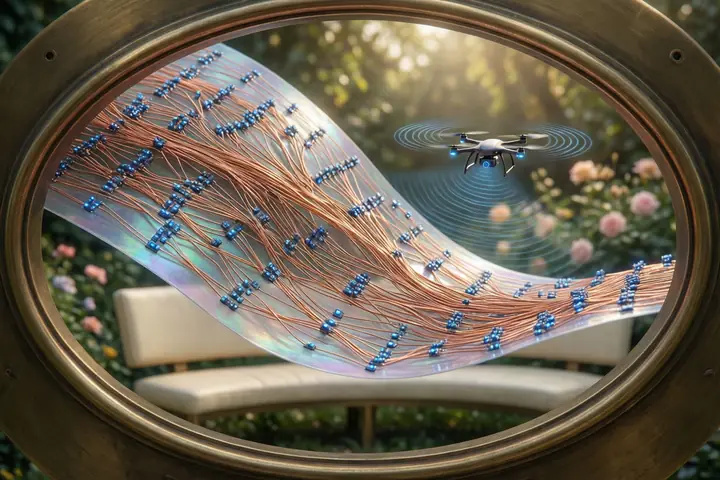
A thick membrane carrying a web of sensors.
not yet built · AI models' likeliest decade: the 2030s
A small prizeBusinesses pay; existing firms keep the restas a model judges it
Why
A small prize. The description promises only a sheet carrying sensors, a part for an instrument, and not sensing that spreads everywhere like the sensor dust or sees through rock like the ranging entries, so it is judged as a niche part.
Who is paid. Nothing says it watches people, so makers of instruments and vehicles are assumed to buy it, and since it could be copied the firms that already make sensors and electronics collect.
A model's judgement, not a reading, of the idea as if it worked the way its story promises. The model is not very sure of this one.
Illustration made with AI image generation; not evidence.
Fido
Riders of the Purple Wage, Philip Jose Farmer · 1967
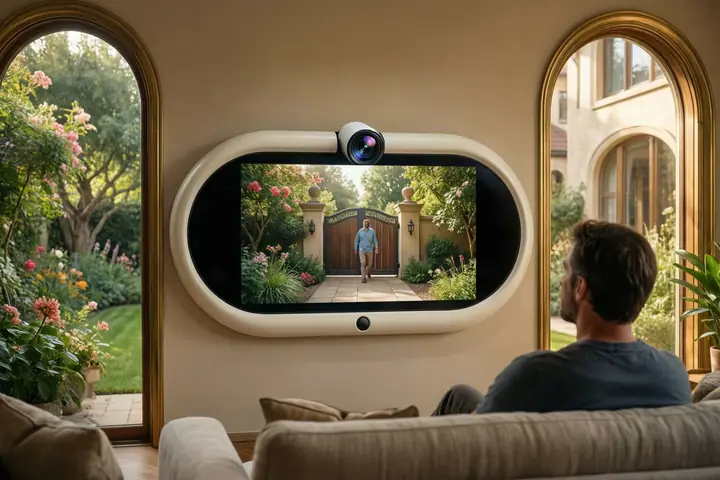
A home screen that doubles as news camera and monitoring device.
not yet built · AI models' likeliest decade: the 2020s
A large prizeHouseholds pay; existing firms keep the restas a model judges it
Why
A large prize. A home screen that also films and watches the household is an industry of its own, as home screens already are.
Who is paid. Households buy it, and screens with cameras are easy to copy, so the firms with brands, factories and broadcast networks collect.
A model's judgement, not a reading, of the idea as if it worked the way its story promises. The model is fairly sure of this one.
Illustration made with AI image generation; not evidence.
Palm Flower
Logan's Run, William Nolan (w/G.C. Johnson · 1967
An implanted palm crystal that changes colour to mark a person's age limit.
not yet built · AI models could not judge when it may arrive
A small prizeA government pays; existing firms keep the restas a model judges it
Why
A small prize. A mark in the hand that shows a person's age limit is an identity scheme, useful only to the state that runs it.
Who is paid. Whoever issues the credential pays, assumed here to be a state, and the firms that already make official papers and registers collect.
A model's judgement, not a reading, of the idea as if it worked the way its story promises. The model is not very sure of this one.
Illustration made with AI image generation; not evidence.
Panic Alarm
Do Androids Dream of Electric Sheep?, Philip K. Dick · 1968
A home security system that detects intruders and drives them off by inducing fear.
not yet built · AI models' likeliest decade: the 2040s
A small prizeHouseholds pay; existing firms keep the restas a model judges it
Why
A small prize. A home alarm that frightens intruders away is a niche addition to ordinary home security.
Who is paid. Householders buy it, and the firms that already sell and fit home alarms collect because it is easy to copy.
A model's judgement, not a reading, of the idea as if it worked the way its story promises. The model is not very sure of this one.
Illustration made with AI image generation; not evidence.
Robot Bird
Invader on My Back, Philip E. High · 1968
A small winged drone disguised as a flying bird.
built in the 1990s, about 30 years after it was imagined
A large prizeA government pays; existing firms keep the restas a model judges it
Why
A large prize. A drone that passes for a bird can watch without being noticed, like the other flying watchers.
Who is paid. Spy and police services pay, and once made it can be copied, so the firms already supplying such services collect.
A model's judgement, not a reading, of the idea as if it worked the way its story promises. The model is fairly sure of this one.
Illustration made with AI image generation; not evidence.
Voight-Kampff Empathy Test
Do Androids Dream of Electric Sheep?, Philip K. Dick · 1968
A questioning procedure that reads bodily reactions to tell people apart from artificial imitations.
not yet built · AI models' likeliest decade: the 2030s
A small prizeA government pays; existing firms keep the restas a model judges it
Why
A small prize. Telling people from artificial copies matters only to the few who hunt such copies.
Who is paid. Police forces pay, and gear sold to them goes through the firms that already hold their supply contracts.
A model's judgement, not a reading, of the idea as if it worked the way its story promises. The model is not very sure of this one.
Illustration made with AI image generation; not evidence.
Flying Robot Drone Probe
The Man in the Maze, Robert Silverberg · 1969
A remotely piloted flying machine used to scout and watch from afar.
built in the 1970s, about 10 years after it was imagined
A large prizeA government pays; existing firms keep the restas a model judges it
Why
A large prize. Cheap flying watchers change the cost of policing, border watch and scouting enough to be an industry of their own.
Who is paid. Police forces and armies pay, and since many firms can build such craft the money goes to those already holding security and defence supply contracts.
A model's judgement, not a reading, of the idea as if it worked the way its story promises. The model is fairly sure of this one.
Illustration made with AI image generation; not evidence.
Ident Darts
The Electric Ant, Philip K. Dick · 1969
Small drones that follow and keep tabs on particular people.
built in the 2020s, about 60 years after it was imagined
A large prizeA government pays; existing firms keep the restas a model judges it
Why
A large prize. Cheap flying watchers change the cost of policing, border watch and scouting enough to be an industry of their own.
Who is paid. Police forces and armies pay, and since many firms can build such craft the money goes to those already holding security and defence supply contracts.
A model's judgement, not a reading, of the idea as if it worked the way its story promises. The model is fairly sure of this one.
Illustration made with AI image generation; not evidence.
Mass Detector
The Man in the Maze, Robert Silverberg · 1969
A sensor that reveals nearby bodies by their mass, used when hunting.
built since, date unclear
A small prizeA government pays; existing firms keep the restas a model judges it
Why
A small prize. Sensing hidden living bodies nearby helps soldiers, hunters and rescuers but is a specialist tool.
Who is paid. Armies and rescue services pay, and it could be copied, so the firms already supplying them collect.
A model's judgement, not a reading, of the idea as if it worked the way its story promises. The model is not very sure of this one.
Illustration made with AI image generation; not evidence.
Recording Eye
The Man in the Maze, Robert Silverberg · 1969
A tough camera that can be dropped from orbit and sends back wide-angle pictures.
built since, date unclear
A small prizeBusinesses pay; no seller keeps muchas a model judges it
Why
A small prize. A camera tough enough to be dropped from orbit serves explorers and surveyors, which is a niche.
Who is paid. Nothing says it watches people, so survey and exploration bodies are assumed to pay, and a rugged camera is easy for many makers to copy.
A model's judgement, not a reading, of the idea as if it worked the way its story promises. The model is not very sure of this one.
Illustration made with AI image generation; not evidence.
Voicecorder
Whipping Star, Brian Herbert · 1969
A recorder that captures speech and judges whether it is honest.
not yet built · AI models' likeliest decade: the 2040s
A large prizeA government pays; existing firms keep the restas a model judges it
Why
A large prize. A recorder that judges whether speech is honest would change courts, policing and hiring, as the other truth readers would.
Who is paid. Courts and police are assumed to be the main buyers, and once made it can be copied, so the firms already supplying them collect.
A model's judgement, not a reading, of the idea as if it worked the way its story promises. The model is not very sure of this one.
Illustration made with AI image generation; not evidence.
Great Ear
Our Friends From Frolix 8, Philip K. Dick · 1970
A state listening machine that reads the thoughts of huge crowds at once.
not yet built · AI models judge it not physically possible
A large prizeA government pays; existing firms keep the restas a model judges it
Why
A large prize. Reading the thoughts of whole crowds would give a state a power worth an industry, though only a state would use it.
Who is paid. The state pays for a single great machine, and I assume its usual defence suppliers build it and could be replaced by others.
A model's judgement, not a reading, of the idea as if it worked the way its story promises. The model is not very sure of this one.
Illustration made with AI image generation; not evidence.
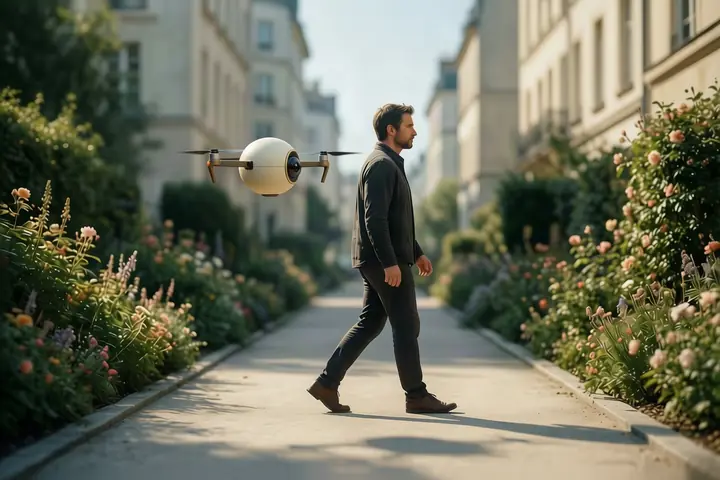
Copseyes
Cloak of Anarchy, Larry Niven · 1972
Small hovering police cameras that patrol a large park.
built since, date unclear
A large prizeA government pays; existing firms keep the restas a model judges it
Why
A large prize. Cheap flying watchers change the cost of policing, border watch and scouting enough to be an industry of their own.
Who is paid. Police forces and armies pay, and since many firms can build such craft the money goes to those already holding security and defence supply contracts.
A model's judgement, not a reading, of the idea as if it worked the way its story promises. The model is fairly sure of this one.
Illustration made with AI image generation; not evidence.
Mini-Sneaker
The Godmakers, Brian Herbert · 1972
A tiny flying spy device.
built since, date unclear
A large prizeA government pays; existing firms keep the restas a model judges it
Why
A large prize. Spying machines too small to notice would change what police and spy services can learn, enough for an industry of its own.
Who is paid. Spy and police services pay, and once made they can be copied, so the firms already supplying such services collect.
A model's judgement, not a reading, of the idea as if it worked the way its story promises. The model is fairly sure of this one.
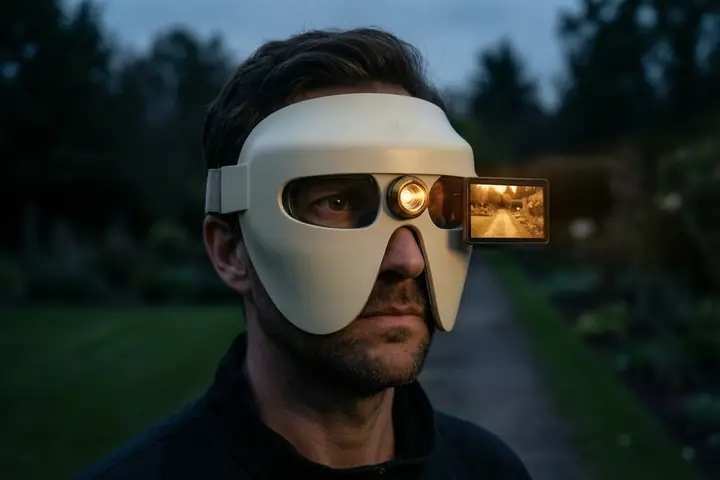
Illustration made with AI image generation; not evidence.
Nightmask
Hellstrom's Hive, Frank Herbert · 1972
A face-worn mask with its own infrared lamp for seeing in the dark.
built since, date unclear
A small prizeA government pays; existing firms keep the restas a model judges it
Why
A small prize. Seeing in the dark matters to guards, soldiers and police, which is a niche.
Who is paid. Assumes soldiers and police are the main buyers; gear sold to them goes through the firms that already supply them.
A model's judgement, not a reading, of the idea as if it worked the way its story promises. The model is not very sure of this one.
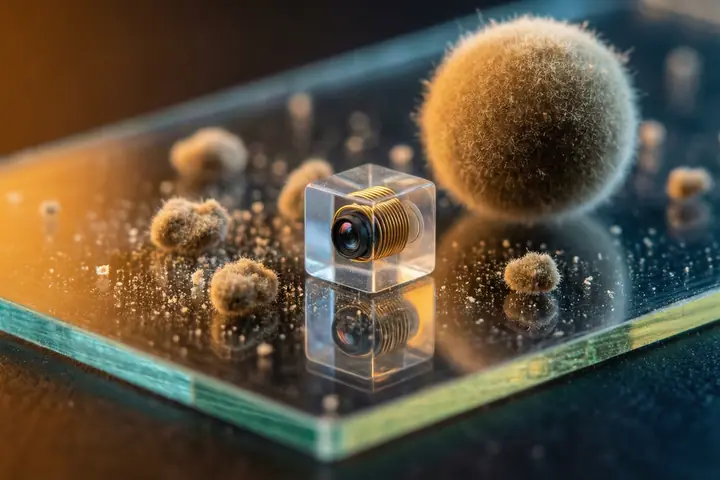
Illustration made with AI image generation; not evidence.
Ultraminiature Spy-Circuit
The Unknown, Christopher Anvil · 1972
Dust-sized sensors scattered to watch and listen covertly.
built since, date unclear
A large prizeA government pays; existing firms keep the restas a model judges it
Why
A large prize. Dust-sized sensors scattered to watch and listen in secret change what spy services can learn.
Who is paid. The description says it watches covertly, so spy services pay, and the firms already supplying them collect since it can be copied.
A model's judgement, not a reading, of the idea as if it worked the way its story promises. The model is fairly sure of this one.
Illustration made with AI image generation; not evidence.
Decibel Alarms
A Bridle for Pegasus, Anne McCaffrey · 1973
Sensors that warn when crowd noise climbs toward riot levels.
built since, date unclear
A small prizeA government pays; existing firms keep the restas a model judges it
Why
A small prize. Warning that a crowd is growing loud enough to riot is a minor aid to policing.
Who is paid. City authorities pay, and a sound sensor is simple to build, so the firms already supplying police equipment collect.
A model's judgement, not a reading, of the idea as if it worked the way its story promises. The model is fairly sure of this one.
Illustration made with AI image generation; not evidence.
EEG-Gram Projection
Flow My Tears, The Policeman Said, Philip K. Dick · 1974
Remote sensing of a person's distinctive brain signature to identify them.
not yet built · AI models' likeliest decade: the 2060s
A large prizeA government pays; existing firms keep the restas a model judges it
Why
A large prize. Finding any chosen person wherever they are would change police work, rescue and manhunts enough to be an industry.
Who is paid. Police and security services pay, and once shown to work others could build it, so existing police suppliers collect.
A model's judgement, not a reading, of the idea as if it worked the way its story promises. The model is not very sure of this one.
Illustration made with AI image generation; not evidence.
Microtransmitter Dot
Flow My Tears, The Policeman Said, Philip K. Dick · 1974
A tiny tag on identity papers that lets authorities follow the holder.
built in the 1980s, about 10 years after it was imagined
A small prizeA government pays; existing firms keep the restas a model judges it
Why
A small prize. A tag on identity papers lets the holder be followed only while the papers are carried, a narrow addition to documents already issued.
Who is paid. The state pays, and the tags are easy to copy, so the printers that already make identity documents collect.
A model's judgement, not a reading, of the idea as if it worked the way its story promises. The model is fairly sure of this one.
Illustration made with AI image generation; not evidence.
Skull Bug
The Computer Connection, Alfred Bester · 1974
An implant placed in the head at birth for tracking and controlling a person.
not yet built · AI models' likeliest decade: the 2050s
No prizeNothing is soldas a model judges it
Why
No prize. It is done to a person without their say, to hurt them, break their mind or override their will or body, which no one may lawfully buy or use.
Who is paid. Assuming it is outlawed for everyone, governments and employers included, nothing is sold.
A model's judgement, not a reading, of the idea as if it worked the way its story promises. The model is not very sure of this one.
Illustration made with AI image generation; not evidence.
National Network Surveillance
The Shockwave Rider, John Brunner · 1975
A government system for watching how people use computer networks.
built in 2007, 32 years after it was imagined
A large prizeA government pays; existing firms keep the restas a model judges it
Why
A large prize. Watching all use of a nation's networks changes what a state can know about its people, enough for an industry of its own.
Who is paid. The state pays, and the firms that already build and run its computer and records systems collect, since others could build the same.
A model's judgement, not a reading, of the idea as if it worked the way its story promises. The model is fairly sure of this one.
Illustration made with AI image generation; not evidence.
Dog Suit
Doorways in the Sand, Roger Zelazny · 1976
A disguise that lets an alien investigator pass as a pet dog.
not yet built · AI models could not judge when it may arrive
A small prizeA government pays; existing firms keep the restas a model judges it
Why
A small prize. A disguise that passes its wearer off as a pet serves a very few investigators.
Who is paid. Assuming a spy service is the buyer, it pays, and since a skilled maker could copy the disguise the firms already trusted with secret supply work collect.
A model's judgement, not a reading, of the idea as if it worked the way its story promises. The model is not very sure of this one.
Illustration made with AI image generation; not evidence.
Genoprinter
The Ophiuchi Hotline, John Varley · 1977
A handheld scanner that takes a living skin sample to confirm someone's genetic identity.
not yet built · AI models' likeliest decade: the 2020s
A large prizeA government pays; existing firms keep the restas a model judges it
Why
A large prize. Quick, sure identity from a body sample would reshape police work, border checks and hiring, enough for an industry.
Who is paid. Governments pay to run the register and the checks, and many laboratories can make the machines, so existing test suppliers collect.
A model's judgement, not a reading, of the idea as if it worked the way its story promises. The model is fairly sure of this one.
Illustration made with AI image generation; not evidence.
Holo-Scanner
A Scanner Darkly, Philip K. Dick · 1977
A compact handheld scanner that records three-dimensional surveillance footage.
not yet built · AI models' likeliest decade: the 2030s
A small prizeA government pays; existing firms keep the restas a model judges it
Why
A small prize. A handheld recorder of depth footage is a specialist tool for police watching suspects.
Who is paid. Police forces pay, and it could be copied, so existing suppliers of police equipment collect.
A model's judgement, not a reading, of the idea as if it worked the way its story promises. The model is fairly sure of this one.
Illustration made with AI image generation; not evidence.
Scramble Suit
A Scanner Darkly, Philip K. Dick · 1977
A body-covering sheath that keeps shifting the wearer's appearance to hide who they are.
not yet built · AI models' likeliest decade: the 2040s
A small prizeA government pays; existing firms keep the restas a model judges it
Why
A small prize. A sheath that hides who the wearer is serves a few undercover agents.
Who is paid. Assumes police running undercover agents are the buyers, as in the story; the firms already supplying such services collect.
A model's judgement, not a reading, of the idea as if it worked the way its story promises. The model is not very sure of this one.
Illustration made with AI image generation; not evidence.
Transmitter Eyes
The Dosadi Experiment, Frank Herbert · 1977
Hidden cameras relaying picture and sound from an arena to spectators watching in secret elsewhere.
not yet built · AI models' likeliest decade: the 2020s
A small prizeA government pays; existing firms keep the restas a model judges it
Why
A small prize. Hidden cameras sending sight and sound to secret watchers are a recording tool for a narrow use.
Who is paid. Assumes a spy or police service is the buyer of hidden cameras; the firms already supplying such services collect.
A model's judgement, not a reading, of the idea as if it worked the way its story promises. The model is not very sure of this one.
Illustration made with AI image generation; not evidence.
Deep-Radar
Ringworld Engineers, Larry Niven · 1980
A sensor that sees inside very large bodies, even through whole mountains.
not yet built · AI models' likeliest decade: the 2040s
A large prizeBusinesses pay; existing firms keep the restas a model judges it
Why
A large prize. Measuring and mapping what cannot be seen by eye changes the costs of travel, mapping and digging, an industry of its own.
Who is paid. Transport, mapping and mining firms buy it, and it can be copied, so established instrument makers with factories and customers collect.
A model's judgement, not a reading, of the idea as if it worked the way its story promises. The model is fairly sure of this one.
Illustration made with AI image generation; not evidence.
Tracer-Bird
Changeling, Roger Zelazny · 1980
A mechanical bird built as an early spy drone.
not yet built · AI models' likeliest decade: the 2020s
A large prizeA government pays; existing firms keep the restas a model judges it
Why
A large prize. A mechanical bird that spies from the air changes what police and spy services can see.
Who is paid. Spy and police services pay, and once made it can be copied, so the firms already supplying such services collect.
A model's judgement, not a reading, of the idea as if it worked the way its story promises. The model is fairly sure of this one.
Illustration made with AI image generation; not evidence.
Monitored In-Home Security Camera
Oath of Fealty, Jerry Pournelle (w/L. Niven · 1981
Indoor home cameras watched by an outside security service.
already existed before the story (the 1970s)
A large prizeHouseholds pay; existing firms keep the restas a model judges it
Why
A large prize. Having outsiders watch the home for trouble is the core of a home security industry, unlike defences that merely add to an alarm.
Who is paid. Households pay a regular fee, and cameras are easy to copy, so the security firms with watch rooms and trusted brands collect.
A model's judgement, not a reading, of the idea as if it worked the way its story promises. The model is fairly sure of this one.
Illustration made with AI image generation; not evidence.
Hunter Program
Mindkiller, Spider Robinson · 1982
Software that finds inhabited homes by watching their power consumption.
built in the 1980s, about 0 years after it was imagined
A small prizeA government pays; existing firms keep the restas a model judges it
Why
A small prize. Spotting lived-in homes from their power use is a narrow trick for investigators.
Who is paid. Assuming police are the users, they pay, and such software is simple to write, so the firms already supplying police systems collect.
A model's judgement, not a reading, of the idea as if it worked the way its story promises. The model is not very sure of this one.
Illustration made with AI image generation; not evidence.
Micro Label
Blade Runner, Ridley Scott · 1982
An identifying mark too tiny to read without strong magnification.
built in the 1980s, about 0 years after it was imagined
A small prizeBusinesses pay; no seller keeps muchas a model judges it
Why
A small prize. A mark too small to see helps makers prove a product is theirs, a niche use.
Who is paid. Manufacturers pay to mark their goods, and many firms can do such marking so no seller keeps much.
A model's judgement, not a reading, of the idea as if it worked the way its story promises. The model is fairly sure of this one.
Illustration made with AI image generation; not evidence.
Public Eye
Friday, Robert Heinlein · 1982
A hovering camera that drifts freely to watch public spaces.
not yet built · AI models' likeliest decade: the 2020s
A large prizeA government pays; existing firms keep the restas a model judges it
Why
A large prize. A drifting camera over public spaces changes what police can see, like the other flying watchers.
Who is paid. Spy and police services pay, and once made it can be copied, so the firms already supplying such services collect.
A model's judgement, not a reading, of the idea as if it worked the way its story promises. The model is fairly sure of this one.
Illustration made with AI image generation; not evidence.
Voight-Kampff Test
Blade Runner, Ridley Scott · 1982
An interview-based examination used to tell humans apart from manufactured people.
not yet built · AI models' likeliest decade: the 2040s
A small prizeA government pays; existing firms keep the restas a model judges it
Why
A small prize. Telling people from manufactured copies matters only to the few who hunt such copies.
Who is paid. Police forces pay, and gear sold to them goes through the firms that already hold their supply contracts.
A model's judgement, not a reading, of the idea as if it worked the way its story promises. The model is not very sure of this one.
Illustration made with AI image generation; not evidence.
People-Sorter
Millenium, John Varley · 1983
A machine that rapidly processes and classifies large crowds of people.
not yet built · AI models' likeliest decade: the 2030s
A small prizeA government pays; existing firms keep the restas a model judges it
Why
A small prize. Sorting large crowds quickly helps at borders, camps and checkpoints, which is a niche.
Who is paid. Assumes a state runs it at borders and checkpoints; the firms already supplying such posts collect.
A model's judgement, not a reading, of the idea as if it worked the way its story promises. The model is not very sure of this one.
Illustration made with AI image generation; not evidence.
Implanted Microprocessor Monitor
Neuromancer, William Gibson · 1984
Chips placed in employees' bodies to enforce obedience to corporate policy.
not yet built · AI models' likeliest decade: the 2040s
No prizeNothing is soldas a model judges it
Why
No prize. Chips that force workers to obey are forbidden, so no one at all may buy or use them.
Who is paid. Nothing is lawfully sold, so no one pays and no seller collects.
A model's judgement, not a reading, of the idea as if it worked the way its story promises. The model is fairly sure of this one.
Illustration made with AI image generation; not evidence.
Life-shield Blanket
Heretics of Dune, Frank Herbert · 1984
A cover that hides a living person from standard life-sign sensors.
not yet built · AI models' likeliest decade: the 2030s
A small prizeA government pays; existing firms keep the restas a model judges it
Why
A small prize. Hiding a body from life-sign sensors matters only to soldiers and agents, a niche.
Who is paid. Armies pay, and it could be copied once made, so the firms already holding army supply contracts collect.
A model's judgement, not a reading, of the idea as if it worked the way its story promises. The model is fairly sure of this one.
Illustration made with AI image generation; not evidence.
Privacy Screen
Neuromancer, William Gibson · 1984
A device that blocks every kind of electronic eavesdropping around the people inside.
not yet built · AI models' likeliest decade: the 2030s
A small prizeBusinesses pay; no seller keeps muchas a model judges it
Why
A small prize. Blocking every kind of electronic listening protects a private talk, which is a niche.
Who is paid. Firms with secrets to keep buy it, and many makers could build such a blocker so no seller keeps much.
A model's judgement, not a reading, of the idea as if it worked the way its story promises. The model is fairly sure of this one.
Illustration made with AI image generation; not evidence.
Dornier
Mona Lisa Overdrive, William Gibson · 1988
A compact spy drone that can hold position in the air.
built in the 2010s, about 30 years after it was imagined
A large prizeA government pays; existing firms keep the restas a model judges it
Why
A large prize. Cheap flying watchers change the cost of policing, border watch and scouting enough to be an industry of their own.
Who is paid. Police forces and armies pay, and since many firms can build such craft the money goes to those already holding security and defence supply contracts.
A model's judgement, not a reading, of the idea as if it worked the way its story promises. The model is fairly sure of this one.
Illustration made with AI image generation; not evidence.
SIN (Single Identification Number)
Mona Lisa Overdrive, William Gibson · 1988
One universal number identifying each citizen.
built in 2023, 35 years after it was imagined
A small prizeA government pays; existing firms keep the restas a model judges it
Why
A small prize. A single number for each citizen is an identity scheme, useful to the state that runs it but simple.
Who is paid. Whoever issues the credential pays, assumed here to be a state, and the firms that already make official papers and registers collect.
A model's judgement, not a reading, of the idea as if it worked the way its story promises. The model is not very sure of this one.
Illustration made with AI image generation; not evidence.
Credit Wake
Hyperion, Dan Simmons · 1989
The digital trail left by a person's purchases and payments online.
already existed before the story (the 1950s)
No prizeNothing is soldas a model judges it
Why
No prize. The trail left by purchases is a by-product of paying, not a technology anyone buys.
Who is paid. Nothing is sold as such, so no one pays and no seller collects.
A model's judgement, not a reading, of the idea as if it worked the way its story promises. The model is fairly sure of this one.
Illustration made with AI image generation; not evidence.
Universal Card
Hyperion, Dan Simmons · 1989
One gadget that stands in for all of a person's payment and identification cards.
not yet built · AI models' likeliest decade: the 2020s
A small prizeBusinesses pay; existing firms keep the restas a model judges it
Why
A small prize. One gadget in place of several cards is a convenience, since the cards it stands in for already do the paying and proving.
Who is paid. Whoever issues it pays, assumed here to be banks more than the state, and the gadget is easy to copy, so the firms that already run payment networks and make cards collect.
A model's judgement, not a reading, of the idea as if it worked the way its story promises. The model is not very sure of this one.
Illustration made with AI image generation; not evidence.
Deadman's Device
Shadowspeer, Patricia Jo Clayton · 1990
An under-skin implant carried by an agent on a dangerous assignment that reacts if they die.
not yet built · AI models' likeliest decade: the 2030s
A small prizeA government pays; existing firms keep the restas a model judges it
Why
A small prize. An implant that reacts when an agent dies serves a small number of people on dangerous work.
Who is paid. Spy and military services pay, and it could be copied, so their existing suppliers collect.
A model's judgement, not a reading, of the idea as if it worked the way its story promises. The model is fairly sure of this one.
Illustration made with AI image generation; not evidence.
Dustmice
Queen of Angels, Greg Bear · 1990
Minute robot sensors released at crime scenes to gather trace evidence for investigators.
not yet built · AI models' likeliest decade: the 2030s
A small prizeA government pays; existing firms keep the restas a model judges it
Why
A small prize. Tiny machines that gather traces at crime scenes speed up one part of police work, a niche.
Who is paid. Police laboratories pay, and the machines could be copied, so existing suppliers of police equipment collect.
A model's judgement, not a reading, of the idea as if it worked the way its story promises. The model is fairly sure of this one.
Illustration made with AI image generation; not evidence.
Portable Ident-Plate
Earth, David Brin · 1990
A slim handheld reader that records a person's fingerprint.
already existed before the story (the 1960s)
A large prizeA government pays; existing firms keep the restas a model judges it
Why
A large prize. A handheld fingerprint reader gives reliable identity from the body, which changes police and border work.
Who is paid. Police and border services pay, and such readers are easy to copy, so the firms already supplying them collect.
A model's judgement, not a reading, of the idea as if it worked the way its story promises. The model is fairly sure of this one.
Illustration made with AI image generation; not evidence.
Separated At Birth Database
Virtual Light, William Gibson · 1993
A registry of lost people searchable by which celebrity they look like.
not yet built · AI models' likeliest decade: the 2020s
A small prizeA government pays; existing firms keep the restas a model judges it
Why
A small prize. A register of lost people searched by likeness helps in a few searches.
Who is paid. Assumes police keep the register; gathering such pictures is open to many, so the firms already building police records collect.
A model's judgement, not a reading, of the idea as if it worked the way its story promises. The model is not very sure of this one.
Illustration made with AI image generation; not evidence.
Holo (License)
Rim, Alexander Besher · 1994
A holographic identity and driving permit card.
not yet built · AI models' likeliest decade: the 2030s
A small prizeA government pays; existing firms keep the restas a model judges it
Why
A small prize. A holographic licence card is a harder-to-forge version of a card people already carry.
Who is paid. Licensing offices pay, and the card is easy to copy, so the printers that already make identity documents collect.
A model's judgement, not a reading, of the idea as if it worked the way its story promises. The model is fairly sure of this one.
Illustration made with AI image generation; not evidence.
Tracing Glasses
Case Closed (Detective Conan), Gosho Aoyama · 1994
Eyeglasses that show where hidden tracking beacons are, to follow suspects.
not yet built · AI models' likeliest decade: the 2020s
A small prizeA government pays; existing firms keep the restas a model judges it
Why
A small prize. Glasses that show where tracking beacons are help a few investigators follow suspects.
Who is paid. Police forces pay, and gear sold to them goes through the firms that already hold their supply contracts.
A model's judgement, not a reading, of the idea as if it worked the way its story promises. The model is fairly sure of this one.
Illustration made with AI image generation; not evidence.
Aerostat Monitor
The Diamond Age, Neal Stephenson · 1995
A small hovering networked drone that watches an area and talks to others of its kind.
not yet built · AI models' likeliest decade: the 2020s
A large prizeA government pays; existing firms keep the restas a model judges it
Why
A large prize. Cheap flying watchers change the cost of policing, border watch and scouting enough to be an industry of their own.
Who is paid. Police forces and armies pay, and since many firms can build such craft the money goes to those already holding security and defence supply contracts.
A model's judgement, not a reading, of the idea as if it worked the way its story promises. The model is fairly sure of this one.
Illustration made with AI image generation; not evidence.
Dog Pod Grid
The Diamond Age, Neal Stephenson · 1995
A floating swarm of semi-autonomous airborne units forming a security barrier.
not yet built · AI models' likeliest decade: the 2030s
A large prizeA government pays; existing firms keep the restas a model judges it
Why
A large prize. A floating wall of guard machines would change the cost of protecting borders and whole districts, enough for an industry.
Who is paid. Governments pay for such barriers, and many firms could build the units, so those already holding security and defence contracts collect.
A model's judgement, not a reading, of the idea as if it worked the way its story promises. The model is not very sure of this one.
Illustration made with AI image generation; not evidence.
Jodie Grid
The Diamond Age, Neal Stephenson · 1995
Marker dots worn on the face so cameras can capture its shape and expressions.
not yet built · AI models' likeliest decade: the 2020s
A small prizeBusinesses pay; no seller keeps muchas a model judges it
Why
A small prize. Dots that help cameras capture a face are a tool for performers and film makers, a niche.
Who is paid. Studios buy them, and marker dots are simple for anyone to make so no seller keeps much.
A model's judgement, not a reading, of the idea as if it worked the way its story promises. The model is fairly sure of this one.
Illustration made with AI image generation; not evidence.
Nanomachine Lidar
The Diamond Age, Neal Stephenson · 1995
A laser ranging system that scans surroundings with light to measure and map them.
not yet built · AI models' likeliest decade: the 2020s
A large prizeBusinesses pay; existing firms keep the restas a model judges it
Why
A large prize. Measuring and mapping what cannot be seen by eye changes the costs of travel, mapping and digging, an industry of its own.
Who is paid. Transport, mapping and mining firms buy it, and it can be copied, so established instrument makers with factories and customers collect.
A model's judgement, not a reading, of the idea as if it worked the way its story promises. The model is fairly sure of this one.
Illustration made with AI image generation; not evidence.
Sky-Eye
The Diamond Age, Neal Stephenson · 1995
A small hovering camera drone that watches over an area.
not yet built · AI models' likeliest decade: the 2020s
A large prizeA government pays; existing firms keep the restas a model judges it
Why
A large prize. A small hovering camera over an area changes what police and guards can see, like the other flying watchers.
Who is paid. Spy and police services pay, and once made it can be copied, so the firms already supplying such services collect.
A model's judgement, not a reading, of the idea as if it worked the way its story promises. The model is fairly sure of this one.
Illustration made with AI image generation; not evidence.
Wearable White-Noise Generator
Idoru, William Gibson · 1996
A personal gadget emitting noise that spoils any attempt to record the wearer's voice.
not yet built · AI models' likeliest decade: the 2020s
A small prizeHouseholds pay; no seller keeps muchas a model judges it
Why
A small prize. Spoiling recordings of your own voice is wanted by a minority who care strongly about privacy.
Who is paid. It is worn by a person and not fitted to a room, so ordinary people are assumed to buy it, and any maker could copy it.
A model's judgement, not a reading, of the idea as if it worked the way its story promises. The model is not very sure of this one.
Illustration made with AI image generation; not evidence.
Webeye
The Ringworld Throne, Larry Niven · 1996
A spray-on communications film that sees, hears, zooms and projects images.
not yet built · AI models' likeliest decade: the 2080s
A large prizeBusinesses pay; no seller keeps muchas a model judges it
Why
A large prize. A film sprayed on any surface that sees, hears and shows pictures would put cameras and screens anywhere.
Who is paid. Nothing says it watches people, so firms are assumed to be the main buyers, and once made others could copy the film so no seller keeps much.
A model's judgement, not a reading, of the idea as if it worked the way its story promises. The model is not very sure of this one.
Illustration made with AI image generation; not evidence.
Automated DNA Typing
Gattaca, Andrew Niccol · 1997
A rapid genetic testing machine that checks samples against a stored register.
already existed before the story (the 1980s)
A large prizeA government pays; existing firms keep the restas a model judges it
Why
A large prize. Quick, sure identity from a body sample would reshape police work, border checks and hiring, enough for an industry.
Who is paid. Governments pay to run the register and the checks, and many laboratories can make the machines, so existing test suppliers collect.
A model's judgement, not a reading, of the idea as if it worked the way its story promises. The model is fairly sure of this one.
Illustration made with AI image generation; not evidence.
Boink Biosensor
The Cobra Event, Richard Preston · 1997
A portable detector that warns of dangerous germs or toxins in the environment.
already existed before the story (1962)
A large prizeA government pays; existing firms keep the restas a model judges it
Why
A large prize. Reliable early warning of deadly germs or poisons would protect whole cities and is worth an industry of its own.
Who is paid. Governments pay for public safety, and several firms could make such detectors, so those already supplying health and defence agencies collect.
A model's judgement, not a reading, of the idea as if it worked the way its story promises. The model is fairly sure of this one.
Illustration made with AI image generation; not evidence.
Retinal Implant
The Neutronium Alchemist, Peter F. Hamilton · 1997
An eye implant that records and broadcasts everything the wearer looks at.
not yet built · AI models' likeliest decade: the 2030s
A large prizeHouseholds pay; existing firms keep the restas a model judges it
Why
A large prize. Recording and sending out all a person sees is a life record, which many people would want if it worked.
Who is paid. Ordinary people buy it for themselves, and the firms that already make implants and carry the pictures collect.
A model's judgement, not a reading, of the idea as if it worked the way its story promises. The model is not very sure of this one.
Illustration made with AI image generation; not evidence.
Bugged Money
Distraction, Bruce Sterling · 1998
Banknotes with hidden microphones planted inside them.
already existed before the story (the 1980s)
A small prizeA government pays; existing firms keep the restas a model judges it
Why
A small prize. A better way to overhear people is a specialist tool for police and spies, not a wide market.
Who is paid. Police and spy services pay, and it is easy to copy, so the firms already supplying them collect.
A model's judgement, not a reading, of the idea as if it worked the way its story promises. The model is fairly sure of this one.
Illustration made with AI image generation; not evidence.
Profile Sniffers
Distraction, Bruce Sterling · 1998
Software that mines browsing logs to infer what kind of person a user is.
built in the 1990s, about 0 years after it was imagined
A large prizeBusinesses pay; existing firms keep the restas a model judges it
Why
A large prize. Working out what kind of person a user is from their browsing changes how selling and advertising are done.
Who is paid. Advertisers and sellers pay, and the software is easy to copy, so the firms that already hold the browsing records collect.
A model's judgement, not a reading, of the idea as if it worked the way its story promises. The model is fairly sure of this one.
Illustration made with AI image generation; not evidence.
Dustmote
A Deepness in the Sky, Vernor Vinge · 1999
Dust-sized networked sensors that link together to monitor their surroundings.
already existed before the story (1998)
A large prizeBusinesses pay; existing firms keep the restas a model judges it
Why
A large prize. Dust-sized sensors that link up and report on their surroundings would change how farms, factories, buildings and cities are watched over, enough for an industry.
Who is paid. Assuming general use and not only spying, firms buy them to monitor their own sites, and since the sensors could be copied the makers that already own factories for tiny electronics collect.
A model's judgement, not a reading, of the idea as if it worked the way its story promises. The model is not very sure of this one.
Illustration made with AI image generation; not evidence.
Palm Scan
All Tomorrow's Parties, William Gibson · 1999
Hand-print identification used to confirm who is using a cash machine.
already existed before the story (the 1960s)
A small prizeBusinesses pay; no seller keeps muchas a model judges it
Why
A small prize. Checking a hand at a cash machine is a lock on an account, a modest gain over a secret code.
Who is paid. Banks pay because the description puts it on a cash machine, and many makers can build handprint readers so no seller keeps much.
A model's judgement, not a reading, of the idea as if it worked the way its story promises. The model is fairly sure of this one.
Illustration made with AI image generation; not evidence.
Sonar Pistol
Starfish, Peter Watts · 1999
A handheld sonar that helps divers find the seabed and objects in dark water.
already existed before the story (the 1960s)
A small prizeBusinesses pay; existing firms keep the restas a model judges it
Why
A small prize. A handheld sonar for divers is a tool for a niche trade.
Who is paid. Diving and salvage firms pay, and it is easy to copy, so the firms already making diving and marine gear collect.
A model's judgement, not a reading, of the idea as if it worked the way its story promises. The model is fairly sure of this one.
Illustration made with AI image generation; not evidence.
Public Iris Scanner
Minority Report (Movie), Steven Spielberg · 2002
Public eye scanners that identify passers-by without their knowledge.
already existed before the story (1994)
A large prizeA government pays; existing firms keep the restas a model judges it
Why
A large prize. Identifying passers-by by their eyes without their knowing gives reliable identity from the body across a whole city.
Who is paid. The state pays, and eye matching can be copied, so the firms already supplying identity systems collect.
A model's judgement, not a reading, of the idea as if it worked the way its story promises. The model is fairly sure of this one.
Illustration made with AI image generation; not evidence.
Spider Robot
Minority Report (Movie), Steven Spielberg · 2002
Small crawling robots that sweep a building and check who is inside.
not yet built · AI models' likeliest decade: the 2030s
A large prizeA government pays; existing firms keep the restas a model judges it
Why
A large prize. Crawling robots that sweep a building and check who is inside change what police can do in a search.
Who is paid. Spy and police services pay, and once made it can be copied, so the firms already supplying such services collect.
A model's judgement, not a reading, of the idea as if it worked the way its story promises. The model is fairly sure of this one.
Illustration made with AI image generation; not evidence.
Alibi Archive
Hominids (Neanderthal Parallax), Robert J. Sawyer · 2003
A stored record of everything a person experiences, captured by a device inside their body.
not yet built · AI models' likeliest decade: the 2030s
A large prizeHouseholds pay; existing firms keep the restas a model judges it
Why
A large prize. A full record of a person's life would be wanted by a great many people as memory, proof and protection, an industry of its own.
Who is paid. Ordinary people pay for it, and since recording is easy to copy the firms that already own the storage networks and devices collect.
A model's judgement, not a reading, of the idea as if it worked the way its story promises. The model is not very sure of this one.
Illustration made with AI image generation; not evidence.
Automated Sentry
Darwin's Children, Greg Bear · 2003
A checkpoint unit that recognises people by their faces.
not yet built · AI models' likeliest decade: the 2020s
A large prizeA government pays; existing firms keep the restas a model judges it
Why
A large prize. Machines that know faces at a checkpoint change the cost of guarding borders and buildings, enough for an industry.
Who is paid. Governments pay for checkpoints, and face matching is easy to copy, so firms already holding security contracts collect.
A model's judgement, not a reading, of the idea as if it worked the way its story promises. The model is fairly sure of this one.
Illustration made with AI image generation; not evidence.
Companion Implant
Hominids (Neanderthal Parallax), Robert J. Sawyer · 2003
A multipurpose implant that assists, records and communicates for its wearer.
not yet built · AI models' likeliest decade: the 2040s
A large prizeHouseholds pay; existing firms keep the restas a model judges it
Why
A large prize. An implant that helps, records and talks for its wearer would replace the personal devices most people carry, though many would refuse surgery.
Who is paid. Ordinary people pay, and it could be copied, so the firms that already own device brands and networks collect.
A model's judgement, not a reading, of the idea as if it worked the way its story promises. The model is not very sure of this one.
Illustration made with AI image generation; not evidence.
Little Bird
Darwin's Children, Greg Bear · 2003
A small remotely flown spy plane that watches from overhead.
not yet built · AI models' likeliest decade: the 2020s
A large prizeA government pays; existing firms keep the restas a model judges it
Why
A large prize. Cheap flying watchers change the cost of policing, border watch and scouting enough to be an industry of their own.
Who is paid. Police forces and armies pay, and since many firms can build such craft the money goes to those already holding security and defence supply contracts.
A model's judgement, not a reading, of the idea as if it worked the way its story promises. The model is fairly sure of this one.
Illustration made with AI image generation; not evidence.
Loiter-Drone
The Algebraist, Iain M Banks · 2004
A self-flying drone that hovers to guard a chosen zone.
built in the 2000s, about 0 years after it was imagined
A large prizeA government pays; existing firms keep the restas a model judges it
Why
A large prize. Cheap flying watchers change the cost of policing, border watch and scouting enough to be an industry of their own.
Who is paid. Police forces and armies pay, and since many firms can build such craft the money goes to those already holding security and defence supply contracts.
A model's judgement, not a reading, of the idea as if it worked the way its story promises. The model is fairly sure of this one.
Illustration made with AI image generation; not evidence.
Virtual Panopticon
The Traveler, John Twelve Hawks · 2005
Combining many data streams so authorities can watch any person closely.
not yet built · AI models' likeliest decade: the 2020s
A large prizeA government pays; existing firms keep the restas a model judges it
Why
A large prize. Joining many streams of data so that any person can be watched closely changes what a state can know about its people.
Who is paid. The state pays, and the firms that already build and run its computer and records systems collect, since others could build the same.
A model's judgement, not a reading, of the idea as if it worked the way its story promises. The model is fairly sure of this one.
Illustration made with AI image generation; not evidence.
Pocket Scanner
Sagramanda, Alan Dean Foster · 2006
A fictional handheld device thieves use to get into cars in the story.
not yet built · AI models' likeliest decade: the 2020s
A small prizeA government pays; existing firms keep the restas a model judges it
Why
A small prize. A tool for breaking into cars is useful only to a few agents and investigators.
Who is paid. It is unlawful for the public, so a spy or police service is the buyer, and the firms already supplying such services collect.
A model's judgement, not a reading, of the idea as if it worked the way its story promises. The model is not very sure of this one.
Illustration made with AI image generation; not evidence.
Bubble-Gum Pylon
Quantico, Greg Bear · 2007
A police road device that traps a fleeing car in sticky material.
not yet built · AI models' likeliest decade: the 2030s
A small prizeA government pays; existing firms keep the restas a model judges it
Why
A small prize. Stopping a fleeing car with sticky material is a narrow police tool.
Who is paid. Police forces pay, and it could be copied, so the firms already supplying police equipment collect.
A model's judgement, not a reading, of the idea as if it worked the way its story promises. The model is fairly sure of this one.
Illustration made with AI image generation; not evidence.
CopSpace
Halting State, Charles Stross · 2007
A shared digital workspace holding officers' recordings, records and evidence.
not yet built · AI models' likeliest decade: the 2020s
A small prizeA government pays; existing firms keep the restas a model judges it
Why
A small prize. A shared store of police recordings and evidence saves officers time but is a narrow piece of office software.
Who is paid. Police forces pay, and the software is easy to copy, so firms already supplying police systems collect.
A model's judgement, not a reading, of the idea as if it worked the way its story promises. The model is fairly sure of this one.
Illustration made with AI image generation; not evidence.
Lifelog
Halting State, Charles Stross · 2007
A continuous recording of a person's daily life, kept automatically.
not yet built · AI models' likeliest decade: the 2020s
A large prizeHouseholds pay; existing firms keep the restas a model judges it
Why
A large prize. A full record of a person's life would be wanted by a great many people as memory, proof and protection, an industry of its own.
Who is paid. Ordinary people pay for it, and since recording is easy to copy the firms that already own the storage networks and devices collect.
A model's judgement, not a reading, of the idea as if it worked the way its story promises. The model is not very sure of this one.
Illustration made with AI image generation; not evidence.
Midge
Quantico, Greg Bear · 2007
A tiny insect-like flying drone launched from a larger aircraft.
not yet built · AI models' likeliest decade: the 2030s
A large prizeA government pays; existing firms keep the restas a model judges it
Why
A large prize. Assuming it is used for spying, a flying machine too small to notice would change what police and spy services can learn, enough for an industry of its own.
Who is paid. Spy and police services pay, and once made they can be copied, so the firms already supplying such services collect.
A model's judgement, not a reading, of the idea as if it worked the way its story promises. The model is not very sure of this one.
Illustration made with AI image generation; not evidence.
OSMO (Osmic Mobile Observers)
Quantico, Greg Bear · 2007
Drones that track people by sniffing their scent.
not yet built · AI models' likeliest decade: the 2030s
A large prizeA government pays; existing firms keep the restas a model judges it
Why
A large prize. Drones that follow a person by scent would change what police can do in a search, like the other flying watchers.
Who is paid. Spy and police services pay, and once made it can be copied, so the firms already supplying such services collect.
A model's judgement, not a reading, of the idea as if it worked the way its story promises. The model is not very sure of this one.
Illustration made with AI image generation; not evidence.
Tongueprint Verification
Fleet of Worlds, Larry Niven (w/E.M. Lerner · 2007
An identity check that reads the surface pattern of a person's tongue.
not yet built · AI models' likeliest decade: the 2030s
A large prizeA government pays; existing firms keep the restas a model judges it
Why
A large prize. An identity check from the pattern of the tongue promises reliable identity from the body, the same gain as the fingerprint, eye and face readers, and each such reader is judged as if it were the reader that was built.
Who is paid. Assumes a state runs the checks; such readers are easy to copy, so the firms already supplying identity systems collect.
A model's judgement, not a reading, of the idea as if it worked the way its story promises. The model is not very sure of this one.
Illustration made with AI image generation; not evidence.
WAGD Germ Detector
Quantico, Greg Bear · 2007
A handheld tool that tests for dangerous biological agents.
built in the 2000s, about 0 years after it was imagined
A large prizeA government pays; existing firms keep the restas a model judges it
Why
A large prize. A handheld test for dangerous germs protects whole populations from outbreaks and attacks.
Who is paid. Health and defence bodies pay, and the firms that already make test instruments for them collect.
A model's judgement, not a reading, of the idea as if it worked the way its story promises. The model is fairly sure of this one.
Illustration made with AI image generation; not evidence.
Gait-Cam
Little Brother, Cory Doctorow · 2008
A camera network that identifies people by how they walk.
not yet built · AI models' likeliest decade: the 2020s
A large prizeA government pays; existing firms keep the restas a model judges it
Why
A large prize. Cameras that know people by their walk change the cost of watching streets and stations, enough for an industry.
Who is paid. Governments pay for the camera network, and the matching is easy to copy, so firms already holding security contracts collect.
A model's judgement, not a reading, of the idea as if it worked the way its story promises. The model is fairly sure of this one.
Illustration made with AI image generation; not evidence.
Robot Snake Spy
Mariposa, Greg Bear · 2009
A small serpent-shaped robot that intelligence agents use to gather information in the field.
not yet built · AI models' likeliest decade: the 2030s
A large prizeA government pays; existing firms keep the restas a model judges it
Why
A large prize. A snake-shaped robot that gathers information unseen changes what spy services can learn, like the other small spy machines.
Who is paid. Spy and police services pay, and once made it can be copied, so the firms already supplying such services collect.
A model's judgement, not a reading, of the idea as if it worked the way its story promises. The model is fairly sure of this one.
Illustration made with AI image generation; not evidence.
Barker
The Human Blend, Alan Dean Foster · 2010
A fictional handheld tool that locates and hijacks people's medical implants, a threat in the story.
not yet built · AI models' likeliest decade: the 2030s
A small prizeA government pays; existing firms keep the restas a model judges it
Why
A small prize. A tool that finds and seizes other people's implants is a covert weapon wanted by a few services, and a crime in anyone else's hands.
Who is paid. Assuming a spy or police service may buy what the public may not, it pays, and since others could build the tool the firms already trusted with secret supply work collect.
A model's judgement, not a reading, of the idea as if it worked the way its story promises. The model is not very sure of this one.
Illustration made with AI image generation; not evidence.
Ugly T-Shirt
Zero History, William Gibson · 2010
Clothing printed with patterns that confuse camera software so the wearer goes unrecognised.
not yet built · AI models' likeliest decade: the 2020s
A small prizeHouseholds pay; no seller keeps muchas a model judges it
Why
A small prize. Clothing that confuses camera software is wanted by a minority who care strongly about privacy.
Who is paid. Ordinary people buy it, and such wear is easy for any maker to copy so no seller keeps much.
A model's judgement, not a reading, of the idea as if it worked the way its story promises. The model is fairly sure of this one.
Illustration made with AI image generation; not evidence.
Brain-Jacking
Kill Decision, Daniel Suarez · 2012
Taking control of living insects so they act as covert watchers.
not yet built · AI models' likeliest decade: the 2040s
A small prizeA government pays; existing firms keep the restas a model judges it
Why
A small prize. A living insect turned into a watcher is a niche spy tool, since small flying machines do the same job more reliably.
Who is paid. Spy services pay, and the few firms already trusted with secret supply work collect because others could copy the method.
A model's judgement, not a reading, of the idea as if it worked the way its story promises. The model is not very sure of this one.
Illustration made with AI image generation; not evidence.
EYE Program
Spark, John Twelve Hawks · 2014
A vast state data store holding records on ordinary citizens.
not yet built · AI models' likeliest decade: the 2020s
A large prizeA government pays; existing firms keep the restas a model judges it
Why
A large prize. A state store of records on every citizen changes the cost of policing and tax work across a whole country.
Who is paid. The state pays, and data stores are easy to build, so the firms already running government computer systems collect.
A model's judgement, not a reading, of the idea as if it worked the way its story promises. The model is fairly sure of this one.
Illustration made with AI image generation; not evidence.
Freedom ID
Spark, John Twelve Hawks · 2014
An implanted chip under the skin that identifies and tracks its carrier.
not yet built · AI models' likeliest decade: the 2020s
A large prizeA government pays; existing firms keep the restas a model judges it
Why
A large prize. A chip that identifies and tracks every carrier would replace papers and cards and reshape policing across a country.
Who is paid. The state pays to chip its people, and the chips are easy to copy, so firms already making identity documents collect.
A model's judgement, not a reading, of the idea as if it worked the way its story promises. The model is not very sure of this one.
Illustration made with AI image generation; not evidence.
Norm-All Program
Spark, John Twelve Hawks · 2014
Government software that decides where each resident ought to be at any given time.
not yet built · AI models' likeliest decade: the 2030s
A large prizeA government pays; existing firms keep the restas a model judges it
Why
A large prize. Software that tracks where every resident should be gives a state a new kind of control over a whole population.
Who is paid. The state pays, and the firms that already build and run its computer and records systems collect, since others could build the same.
A model's judgement, not a reading, of the idea as if it worked the way its story promises. The model is not very sure of this one.
Illustration made with AI image generation; not evidence.
Face Recognition Sunglasses
The Water Knife, Paolo Bacigalupi · 2015
Eyewear that identifies people in view by checking faces against an online database.
not yet built · AI models' likeliest decade: the 2020s
A small prizeHouseholds pay; existing firms keep the restas a model judges it
Why
A small prize. Glasses that name the people you see are a convenience for most wearers and a work tool for a few.
Who is paid. Ordinary people buy them, and since pictures of faces can be gathered by many, the firms that already hold large stores of named pictures and sell devices collect.
A model's judgement, not a reading, of the idea as if it worked the way its story promises. The model is not very sure of this one.
Illustration made with AI image generation; not evidence.
VEIL
Fall; or, Dodge in Hell: A Novel, Neal Stephenson · 2019
A wearable that stops cameras' identification software from recognising the wearer's face.
not yet built · AI models' likeliest decade: the 2020s
A small prizeHouseholds pay; no seller keeps muchas a model judges it
Why
A small prize. A wearable that stops cameras knowing your face is wanted by a minority who care strongly about privacy.
Who is paid. Ordinary people buy it, and such wear is easy for any maker to copy so no seller keeps much.
A model's judgement, not a reading, of the idea as if it worked the way its story promises. The model is fairly sure of this one.
Illustration made with AI image generation; not evidence.
DNA Swab Palate
The Breach, M.T. Hill · 2020
A fictional mouth insert used by characters to defeat genetic identity tests.
not yet built · AI models' likeliest decade: the 2030s
A small prizeA government pays; existing firms keep the restas a model judges it
Why
A small prize. An insert that defeats identity tests serves only the few agents who must pass as someone else, and is forbidden to everyone else.
Who is paid. Assuming a spy service is the lawful buyer, it pays, and since others could copy the insert the firms already trusted with secret supply work collect.
A model's judgement, not a reading, of the idea as if it worked the way its story promises. The model is not very sure of this one.
Illustration made with AI image generation; not evidence.
Pacification Drones
The Breach, M.T. Hill · 2020
Flying monitoring robots that play soothing sounds to settle people below.
not yet built · AI models' likeliest decade: the 2030s
A large prizeA government pays; existing firms keep the restas a model judges it
Why
A large prize. Flying robots that watch crowds and calm them would change how a state keeps order in public places.
Who is paid. Police forces pay, and gear sold to them goes through the firms that already hold their supply contracts.
A model's judgement, not a reading, of the idea as if it worked the way its story promises. The model is not very sure of this one.
Illustration made with AI image generation; not evidence.
Scuttle-bot
Hella, David Gerrold · 2020
A general-purpose watching robot that moves by clambering over surfaces instead of flying.
not yet built · AI models' likeliest decade: the 2030s
A large prizeA government pays; existing firms keep the restas a model judges it
Why
A large prize. A crawling robot that watches where flying ones cannot changes what police and spy services can learn.
Who is paid. Assumes it watches people for a state; once made it can be copied, so the firms already supplying such services collect.
A model's judgement, not a reading, of the idea as if it worked the way its story promises. The model is not very sure of this one.
Illustration made with AI image generation; not evidence.
Abglanz
The Mountain in the Sea, Ray Naylor · 2022
A face covering that conceals who the wearer is from observers and cameras.
not yet built · AI models' likeliest decade: the 2020s
A small prizeHouseholds pay; no seller keeps muchas a model judges it
Why
A small prize. Hiding your face from cameras is wanted by a minority who care strongly about privacy.
Who is paid. Ordinary people buy it, and a face covering is easy for any maker to copy so no seller keeps much.
A model's judgement, not a reading, of the idea as if it worked the way its story promises. The model is fairly sure of this one.
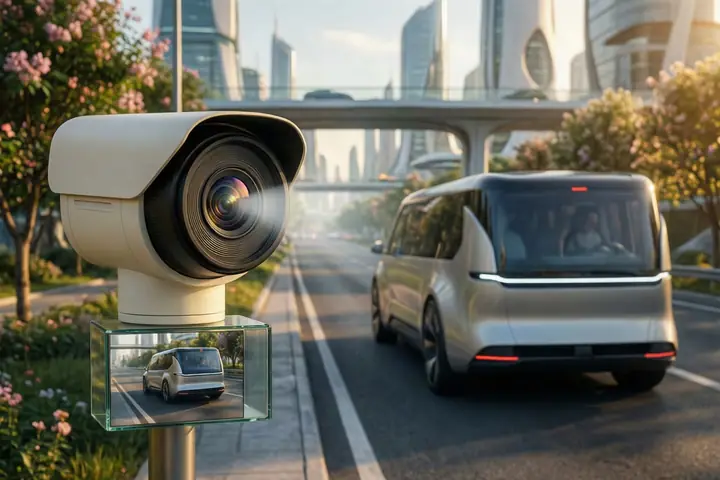 Illustration made with AI image generation; not evidence.