Dated forecasts about this kind of technology from the singularity reading list, then every idea of this kind in the order stories first imagined it.
Illustration made with AI image generation; not evidence.
Dated forecasts
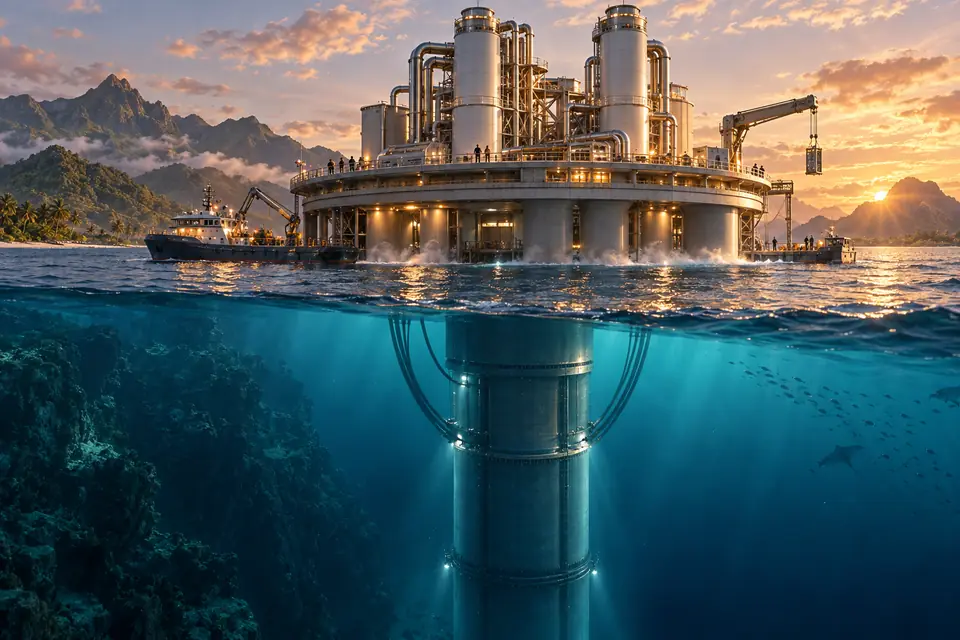
Kurzweil suggests that molecular manufacturing of around 2029 could let us build enormous solar arrays directly in Earth orbit from shipped raw materials.
Ray Kurzweil · 2029
From The Singularity Is Near: When Humans Transcend Biology, Ray Kurzweil, 2005
Nanosolar chief Martin Roscheisen estimated his nanoparticle solar films could bring solar costs down to around half a dollar per watt by 2006.
Martin Roscheisen · by 2006
From The Singularity Is Near: When Humans Transcend Biology, Ray Kurzweil, 2005
Suleyman says renewables will overtake every other source to become the biggest generator of electricity by 2027.
Mustafa Suleyman · by 2027
From The Coming Wave, Mustafa Suleyman, 2023
Kurzweil extrapolates that, at the current pace, renewables could in theory supply all of the world's electricity by 2041.
Ray Kurzweil · by 2041 · in theory
From The Singularity Is Nearer, Ray Kurzweil, 2024
Imagined, oldest first
How large a prize, and which seller keeps the rest
Each idea is judged as if it worked the way its story promises: how large a prize it would be, who would pay, and which seller would keep what is left once buyers have had their gain. Choose a cell to see only those ideas; each count is the cards that cell shows. Every placing is a model's judgement, not a reading.
Seller
A vast prize
A large prize
A small prize
No prize
No seller keeps much
·
·
The maker keeps the rest
·
Existing firms keep the rest
·
·
Permit holders keep the rest
·
·
·
Nothing is sold
·
·
·
Illustration made with AI image generation; not evidence.
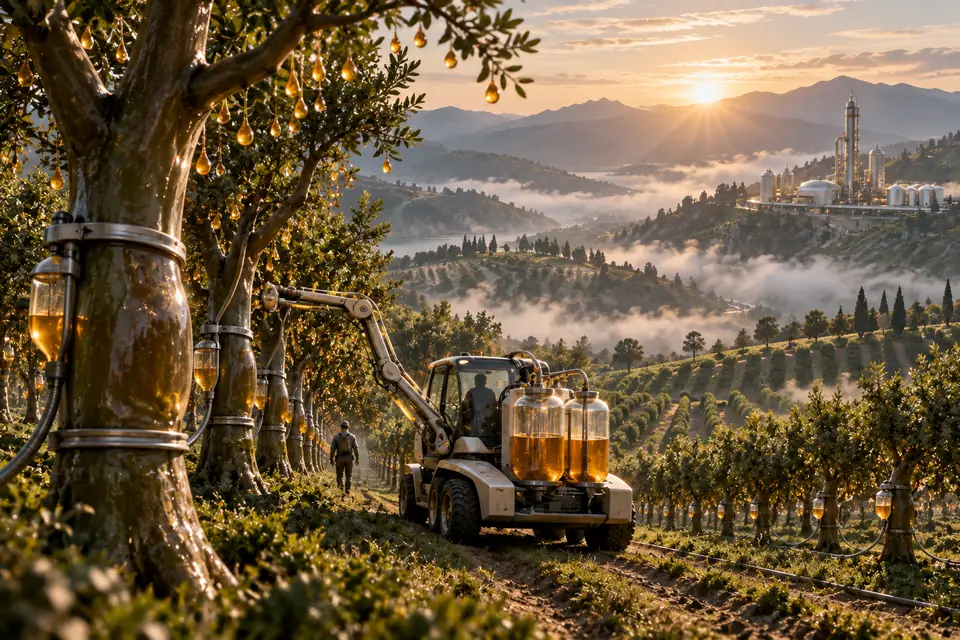
Bio-Energy
Gulliver's Travels, Jonathan Swift · 1726
Pulling electrical or usable power out of plant and other living matter.
built in 1895, 169 years after it was imagined
A large prizeBusinesses pay; existing firms keep the restas a model judges it
Why
A large prize. Usable power from plants and other living matter is worth an industry, though the real thing turned out a modest extra fuel.
Who is paid. Fuel sellers and vehicle fleets buy it, and since the processing is easy to copy those who already own the farmland collect.
A model's judgement, not a reading, of the idea as if it worked the way its story promises. The model is fairly sure of this one.
Illustration made with AI image generation; not evidence.
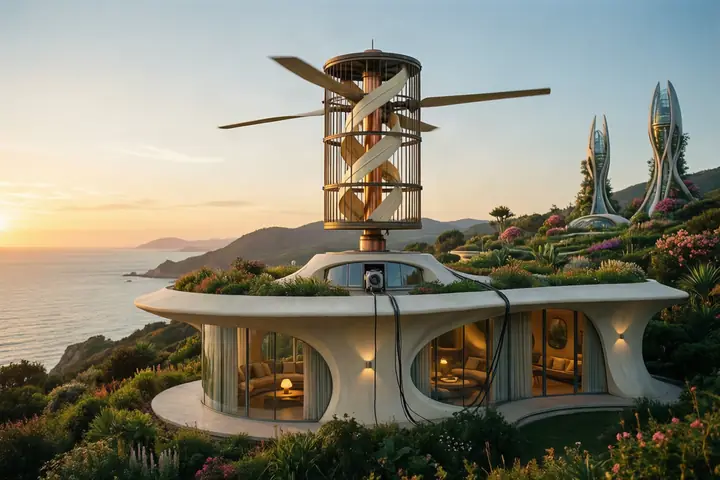
Rooftop Windmill
A Journey In Other Worlds, John Jacob Astor IV · 1894
A small wind turbine on a house that generates power for the household.
built in the 1970s, about 80 years after it was imagined
A small prizeHouseholds pay; no seller keeps muchas a model judges it
Why
A small prize. A small windmill on a house adds some power but is not promised to run the whole home, unlike the home solar plant.
Who is paid. Households buy it for themselves, and any workshop can make one so no seller keeps much.
A model's judgement, not a reading, of the idea as if it worked the way its story promises. The model is fairly sure of this one.
Illustration made with AI image generation; not evidence.
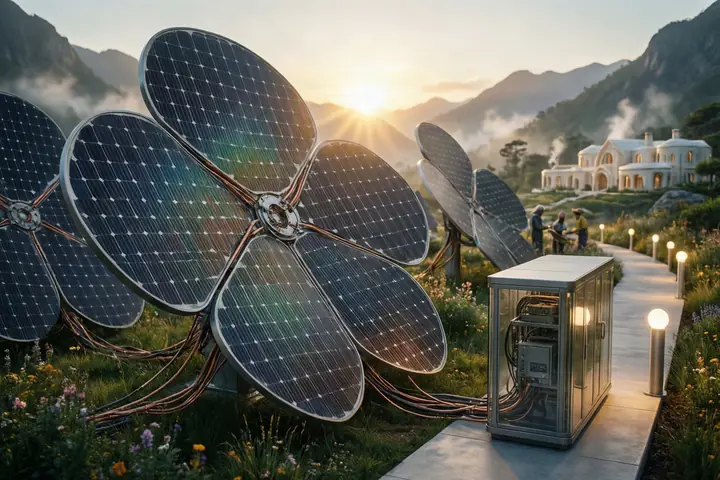
Helio-Dynamophores (Sun-Power-Generators)
Ralph 124c 41 +, Hugo Gernsback · 1911
Panels that turn sunlight straight into electric current.
built in 1954, 43 years after it was imagined
A large prizeBusinesses pay; no seller keeps muchas a model judges it
Why
A large prize. Electricity straight from sunlight with no fuel would change what power costs.
Who is paid. Power firms and building owners buy panels, and since many factories can make them no seller keeps much.
A model's judgement, not a reading, of the idea as if it worked the way its story promises. The model is fairly sure of this one.
Illustration made with AI image generation; not evidence.
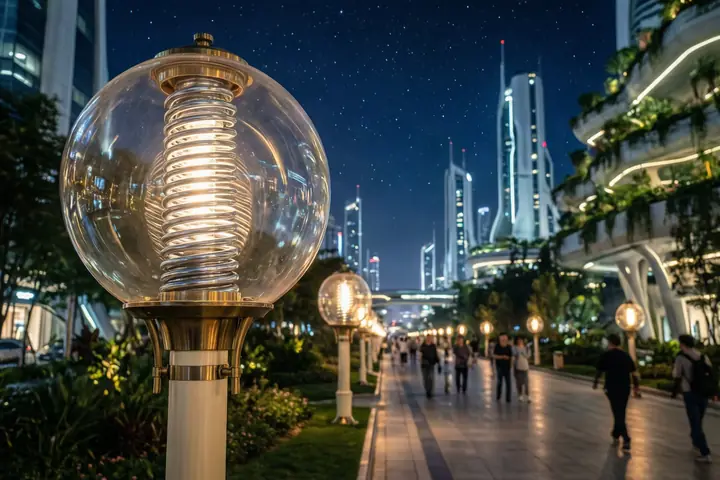
Iridium Spirals (Street Lights)
Ralph 124c 41 +, Hugo Gernsback · 1911
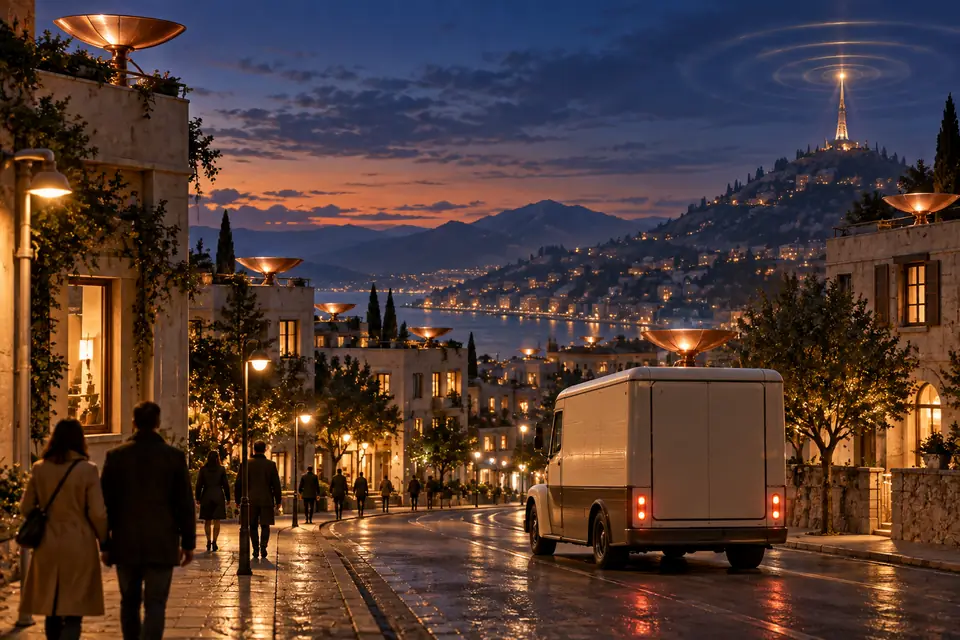
Street lamps bright enough to make city streets look like daytime after dark.
not yet built · AI models' likeliest decade: the 2020s
A small prizeA government pays; no seller keeps muchas a model judges it
Why
A small prize. Streets as bright as day after dark are a convenience on top of ordinary street lighting.
Who is paid. City governments pay because nobody can be charged street by street, and any lamp maker can supply them so no seller keeps much.
A model's judgement, not a reading, of the idea as if it worked the way its story promises. The model is fairly sure of this one.
Illustration made with AI image generation; not evidence.
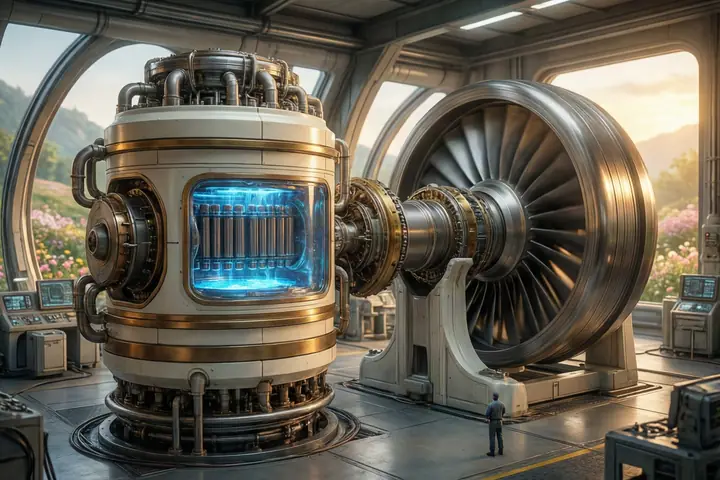
Atomic Engine
The World Set Free, H.G. Wells · 1914
An engine that runs on nuclear fuel.
not yet built · AI models' likeliest decade: the 2020s
A large prizeBusinesses pay; permit holders keep the restas a model judges it
Why
A large prize. Plentiful power from a little fuel would change what electricity and heavy transport cost.
Who is paid. Power and transport firms buy it, and because governments let only a few hands hold nuclear fuel, the few permitted makers keep what is left.
A model's judgement, not a reading, of the idea as if it worked the way its story promises. The model is fairly sure of this one.
Illustration made with AI image generation; not evidence.
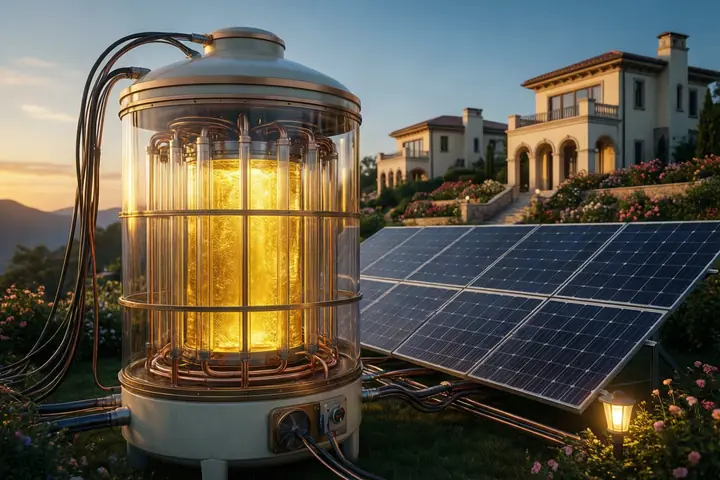
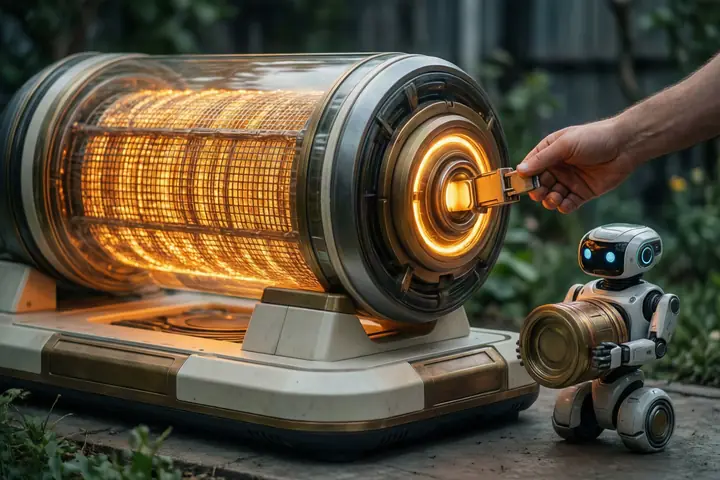
Sunray Tank
Warlord of Mars, Edgar Rice Burroughs · 1914
A container that captures solar energy and holds it for later power use.
not yet built · AI models' likeliest decade: the 2020s
A large prizeBusinesses pay; no seller keeps muchas a model judges it
Why
A large prize. Catching sunlight and holding it for later makes solar power usable at night, which changes what power costs.
Who is paid. Power firms and building owners buy it, and assuming it is a simple tank many can build, no seller keeps much.
A model's judgement, not a reading, of the idea as if it worked the way its story promises. The model is not very sure of this one.
Illustration made with AI image generation; not evidence.
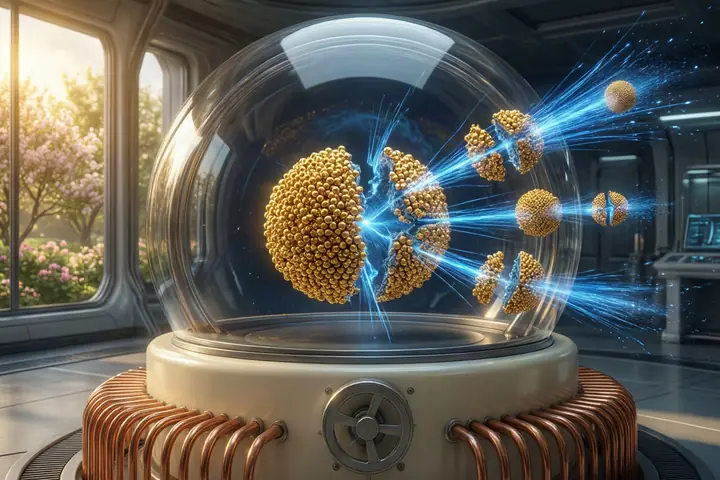
Sustained Atomic Reaction
The World Set Free, H.G. Wells · 1914
A self-sustaining nuclear chain reaction that can release enormous explosive energy.
built in 1942, 28 years after it was imagined
A large prizeA government pays; existing firms keep the restas a model judges it
Why
A large prize. The description stresses explosive force, so it is judged as the heart of a weapon, which is worth a great deal to the state that holds it.
Who is paid. A government pays for it as a weapon, which is the difference from the power plants, and the firms that already hold its arms contracts collect.
A model's judgement, not a reading, of the idea as if it worked the way its story promises. The model is not very sure of this one.
Illustration made with AI image generation; not evidence.
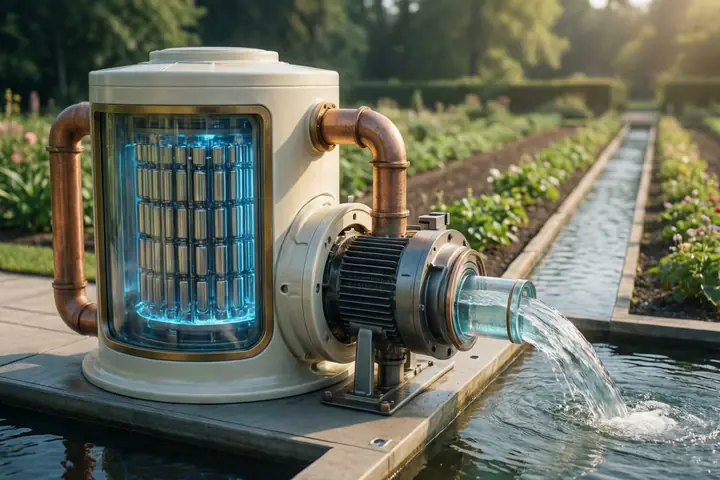
Atomic Energy Motor
The Man from the Atom, G. Peyton Wertenbaker · 1926
A motor that draws its power from nuclear reactions.
not yet built · AI models' likeliest decade: the 2020s
A large prizeBusinesses pay; permit holders keep the restas a model judges it
Why
A large prize. Plentiful power from a little fuel would change what electricity and heavy transport cost.
Who is paid. Power and transport firms buy it, and because governments let only a few hands hold nuclear fuel, the few permitted makers keep what is left.
A model's judgement, not a reading, of the idea as if it worked the way its story promises. The model is fairly sure of this one.
Illustration made with AI image generation; not evidence.
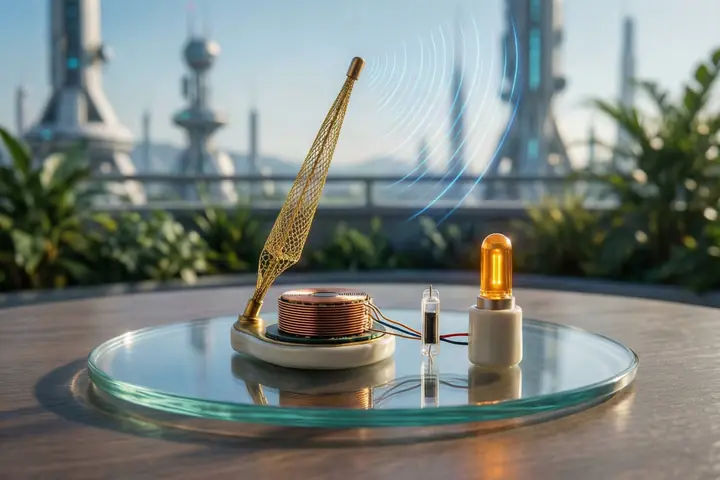
Harvest Power From Stray Energy
The Golden Girl of Munan, Harl Vincent · 1928
Gathers ambient electrical energy from the surroundings to run a small device.
not yet built · AI models' likeliest decade: the 2020s
A small prizeHouseholds pay; no seller keeps muchas a model judges it
Why
A small prize. Running a small device on stray energy saves a battery, which is a convenience.
Who is paid. People buy it inside small gadgets, and any gadget maker can add it so no seller keeps much.
A model's judgement, not a reading, of the idea as if it worked the way its story promises. The model is fairly sure of this one.
Heat Transmitter
Crashing Suns, Edmond Hamilton · 1928
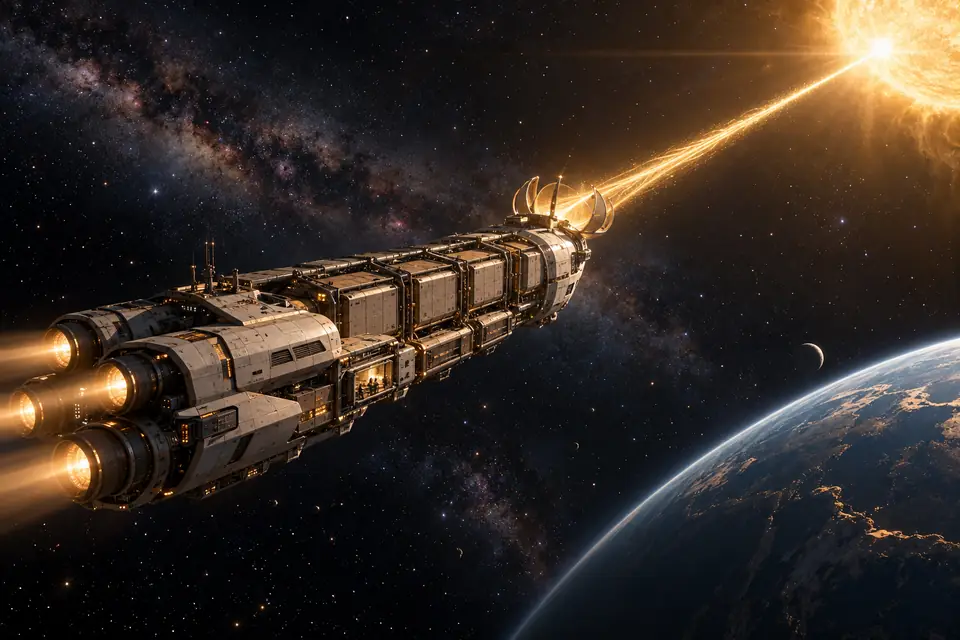
Collects sunlight near the sun and sends it as focused energy to distant, colder planets.
not yet built · AI models' likeliest decade: 2100 or later
A large prizeA government pays; the maker keeps the restas a model judges it
Why
A large prize. Sunlight gathered near the sun and sent to cold planets would supply whole settlements that have no other source.
Who is paid. Only governments could fund a work this size for whole settlements, and whoever builds the one station controls a supply nobody else can match.
A model's judgement, not a reading, of the idea as if it worked the way its story promises. The model is not very sure of this one.
Illustration made with AI image generation; not evidence.
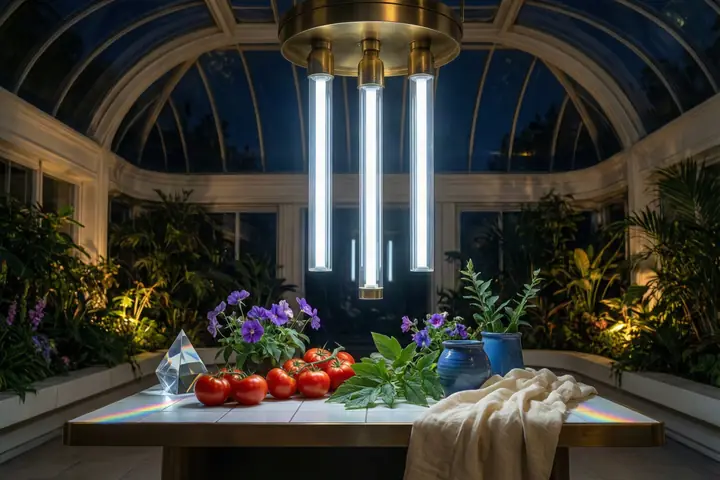
Helium Tubes
The Cubic City, Louis Tucker, D.D. · 1929
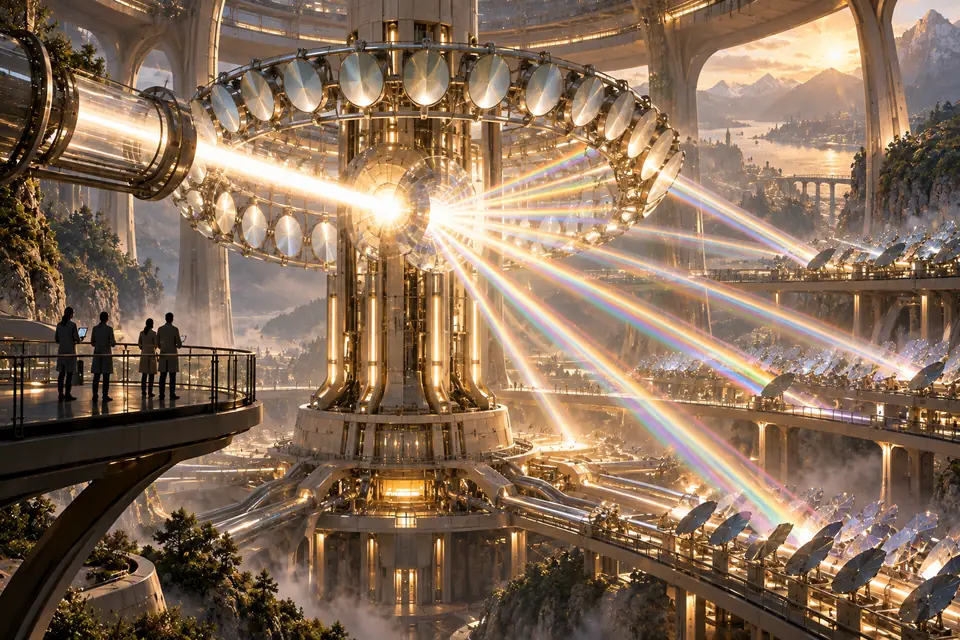
Lamps whose glow reproduces the full spectrum of daylight.
not yet built · AI models' likeliest decade: the 2020s
A small prizeHouseholds pay; no seller keeps muchas a model judges it
Why
A small prize. Lamps that match daylight are a nicer light, which is a convenience.
Who is paid. People buy them for homes and shops, and any lamp maker can produce them so no seller keeps much.
A model's judgement, not a reading, of the idea as if it worked the way its story promises. The model is fairly sure of this one.
Illustration made with AI image generation; not evidence.
Indirect Cold Light
The Silent Destroyer, Henri Dahl Juve · 1929
Illumination that seems to come from nowhere, turning nearly all its power into light rather than warmth.
built in 1962, 33 years after it was imagined
A large prizeBusinesses pay; no seller keeps muchas a model judges it
Why
A large prize. Light that wastes almost no power as warmth changes what lighting costs everywhere.
Who is paid. Building owners and lamp fitters buy it, assumed here to be the main buyers, and many factories can make it so no seller keeps much.
A model's judgement, not a reading, of the idea as if it worked the way its story promises. The model is fairly sure of this one.
Illustration made with AI image generation; not evidence.
Matched-Frequency Separable Units
Skylark Three, E.E. 'Doc' Smith · 1930
Machines that receive electrical power through the air from a transmitter tuned to them.
built in the 1990s, about 60 years after it was imagined
A large prizeBusinesses pay; existing firms keep the restas a model judges it
Why
A large prize. Machines that take power through the air would change what it costs to deliver electricity, though the real thing so far only charges small devices.
Who is paid. Firms buy power for their machines, and since the trick is copyable the companies that already own power stations and the delivery network collect.
A model's judgement, not a reading, of the idea as if it worked the way its story promises. The model is fairly sure of this one.
Illustration made with AI image generation; not evidence.
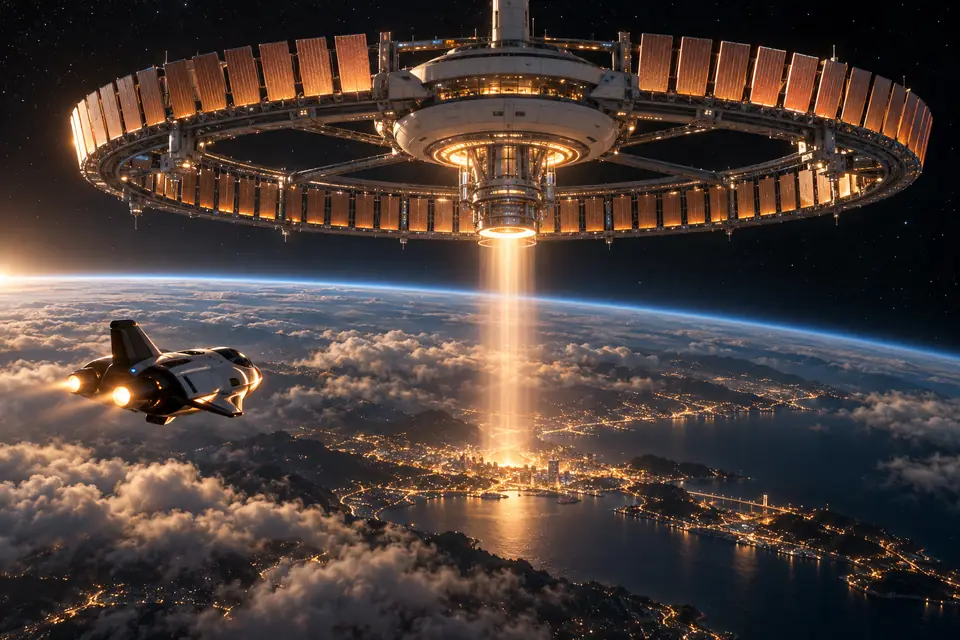
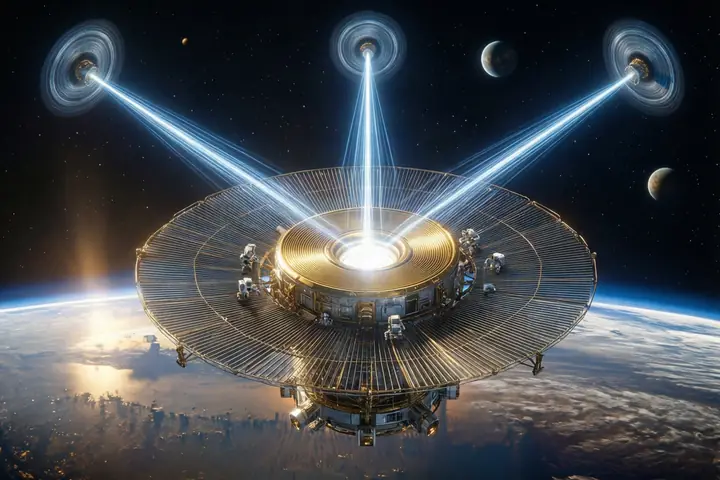
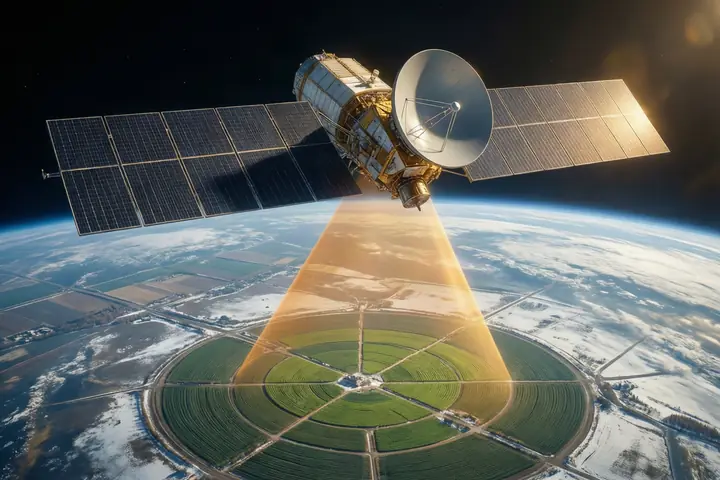
Power Planet
The Power Planet, Murray Leinster · 1931
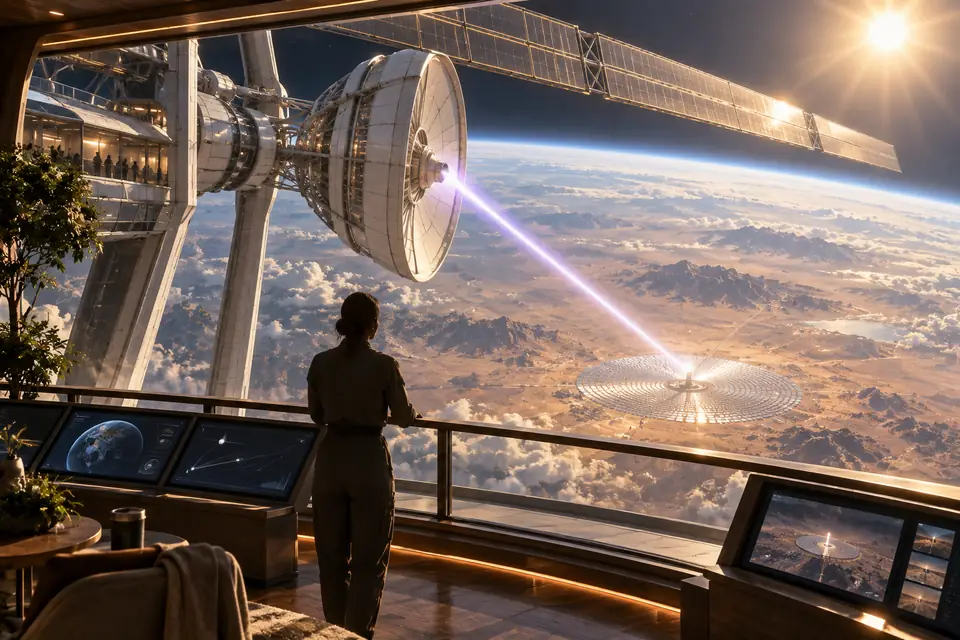
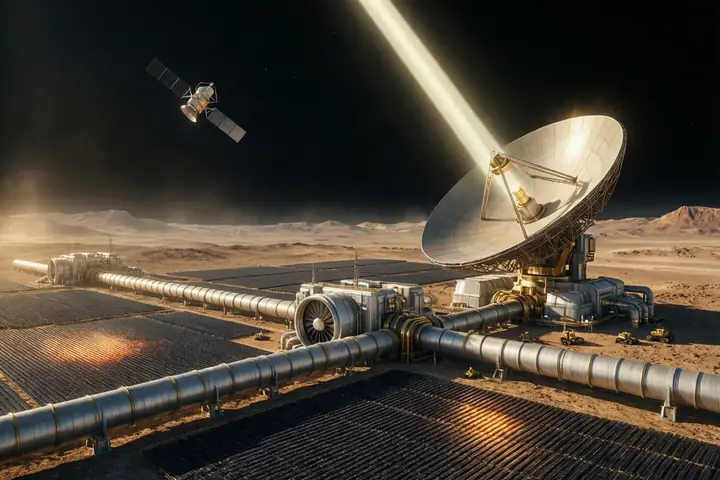
An orbiting station that generates electricity and delivers it down to consumers on Earth.
not yet built · AI models' likeliest decade: the 2040s
A large prizeBusinesses pay; existing firms keep the restas a model judges it
Why
A large prize. Electricity made in orbit and sent down day and night would change what power costs on the ground.
Who is paid. Power companies buy the output, and the firms that already own rockets and the ground grid collect, assuming the collectors themselves can be copied.
A model's judgement, not a reading, of the idea as if it worked the way its story promises. The model is not very sure of this one.
Illustration made with AI image generation; not evidence.
Self-Sustaining Nuclear Reaction
Atomic Fire, Raymond Z. Gallun · 1931
A runaway nuclear burn that spreads through and devours any matter nearby.
built in 1942, 11 years after it was imagined
No prizeNothing is soldas a model judges it
Why
No prize. A burn that spreads through and devours everything near it is a hazard, not something anyone would pay for.
Who is paid. Nothing is sold, so nobody pays and no seller keeps anything.
A model's judgement, not a reading, of the idea as if it worked the way its story promises. The model is not very sure of this one.
Illustration made with AI image generation; not evidence.
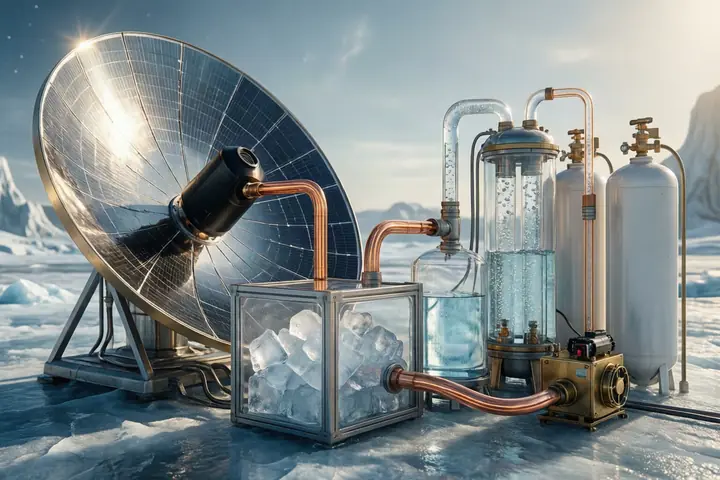
Solar Power Apparatus
A Daring Trip To Mars, Max Valier · 1931
A sun-driven rig that melts ice, runs a generator and splits the water into rocket propellant on another world.
built since, date unclear
A small prizeA government pays; existing firms keep the restas a model judges it
Why
A small prize. Making rocket propellant from ice on another world serves only the few expeditions that go there.
Who is paid. A government space programme pays, and the contractors that already build its equipment collect.
A model's judgement, not a reading, of the idea as if it worked the way its story promises. The model is fairly sure of this one.
Illustration made with AI image generation; not evidence.
Vitalium
The Prince of Space, Jack Williamson · 1931
An imaginary rare radioactive element that makes sunlight-to-electricity panels work.
not yet built · AI models judge it not physically possible
A large prizeBusinesses pay; the maker keeps the restas a model judges it
Why
A large prize. Judged as if it existed, the element is what makes sunlight panels work, and electricity straight from sunlight would change what power costs.
Who is paid. Panel makers buy it, and because the element is rare, which is the difference from ordinary panels, whoever holds the supply keeps what is left.
A model's judgement, not a reading, of the idea as if it worked the way its story promises. The model is not very sure of this one.
Illustration made with AI image generation; not evidence.
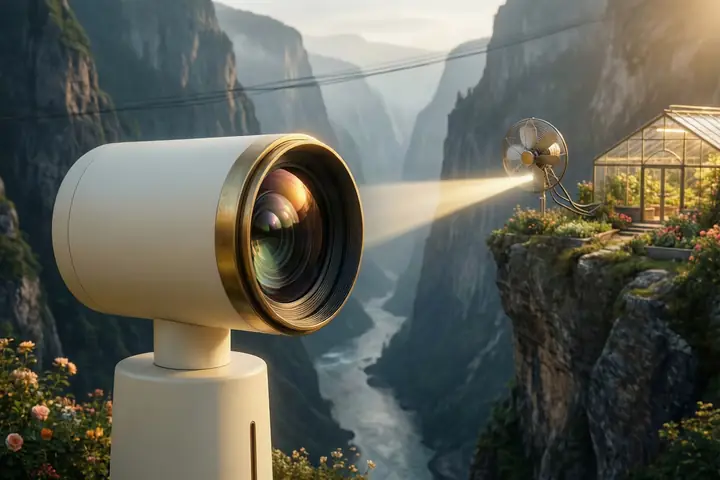
Electric-Space-Strain Projector
The Mightiest Machine, John W. Campbell · 1934
A projector beams electrical energy through open space to distant receivers with no connecting cables.
not yet built · AI models' likeliest decade: the 2040s
A large prizeBusinesses pay; existing firms keep the restas a model judges it
Why
A large prize. Sending power through open space with no cables would change what it costs to deliver electricity.
Who is paid. Firms buy power for their machines, and since the trick is copyable the companies that already own power stations and the delivery network collect.
A model's judgement, not a reading, of the idea as if it worked the way its story promises. The model is fairly sure of this one.
Illustration made with AI image generation; not evidence.
Thermlectrium
Blindness, John W. Campbell · 1935
A metal alloy that converts heat straight into electric current with no moving parts.
not yet built · AI models' likeliest decade: the 2020s
A large prizeBusinesses pay; the maker keeps the restas a model judges it
Why
A large prize. An alloy that turns heat straight into current with no moving parts would change what it costs to make power from any hot source.
Who is paid. Power plant and engine builders buy it, and the inventor of a new material can keep the recipe protected for a time.
A model's judgement, not a reading, of the idea as if it worked the way its story promises. The model is not very sure of this one.
Illustration made with AI image generation; not evidence.
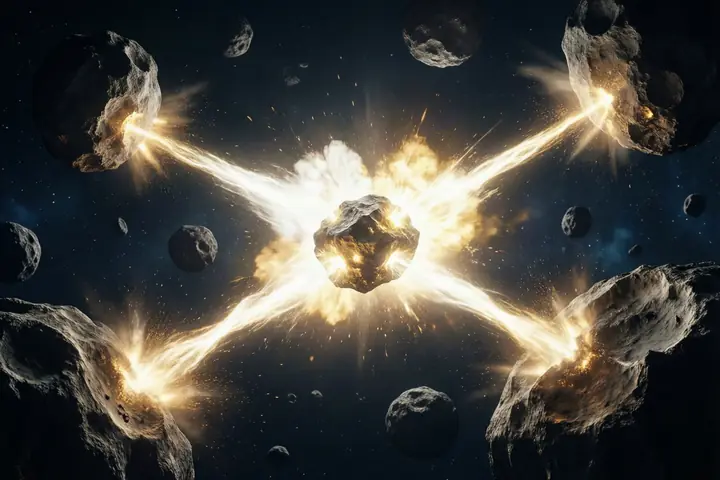
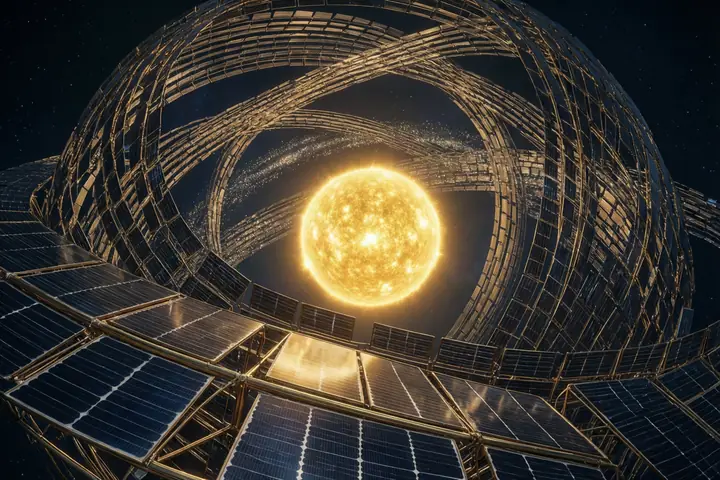
Light Traps (Dyson Sphere)
Star Maker, Olaf Stapledon · 1937
A swarm of collectors enclosing a star to harvest its energy.
not yet built · AI models' likeliest decade: 2100 or later
A vast prizeA government pays; the maker keeps the restas a model judges it
Why
A vast prize. Catching the whole output of a star would give a civilisation more energy than it could ever otherwise have.
Who is paid. Only a government could fund it, and whoever builds the one swarm controls a supply nobody else can match.
A model's judgement, not a reading, of the idea as if it worked the way its story promises. The model is not very sure of this one.
Illustration made with AI image generation; not evidence.
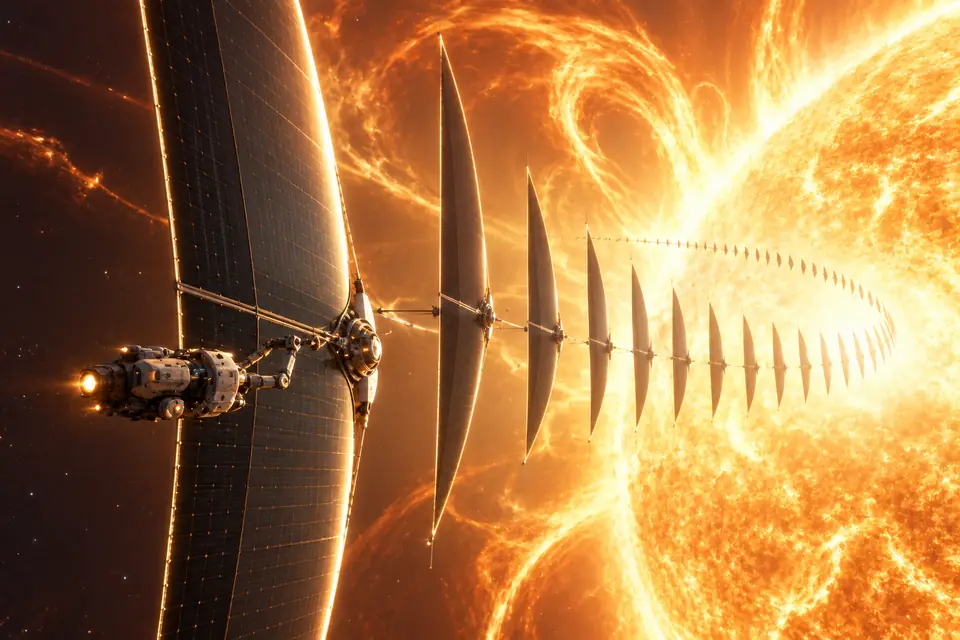
Near-Space Solar Energy Collectors
Star Maker, Olaf Stapledon · 1937
Harvests solar energy in space nearer the sun, where sunlight is far more intense.
not yet built · AI models' likeliest decade: 2100 or later
A large prizeA government pays; the maker keeps the restas a model judges it
Why
A large prize. Collecting the stronger sunlight nearer the sun would supply whole settlements with power.
Who is paid. Only governments could fund a work this size for whole settlements, and whoever builds the one station controls a supply nobody else can match.
A model's judgement, not a reading, of the idea as if it worked the way its story promises. The model is not very sure of this one.
Illustration made with AI image generation; not evidence.
Tiny Atomic-Power Drive Unit
The Brain Pirates, John W. Campbell · 1938
A compact nuclear generator small enough to power a vehicle or portable machine.
not yet built · AI models' likeliest decade: the 2020s
A large prizeBusinesses pay; permit holders keep the restas a model judges it
Why
A large prize. A nuclear generator small enough for a vehicle or portable machine would change what it costs to work far from a grid.
Who is paid. Firms working far from a grid buy it, and because governments let only a few hands hold nuclear fuel, the few permitted makers keep what is left.
A model's judgement, not a reading, of the idea as if it worked the way its story promises. The model is fairly sure of this one.
Illustration made with AI image generation; not evidence.
Portable Atomic Heater
Misfit, Robert Heinlein · 1939
A small, carryable nuclear source that provides heat and power wherever it is taken.
not yet built · AI models' likeliest decade: the 2030s
A large prizeBusinesses pay; permit holders keep the restas a model judges it
Why
A large prize. Heat and power that can be carried anywhere would change what it costs to work far from a grid.
Who is paid. Firms working far from a grid buy it, and because governments let only a few hands hold nuclear fuel, the few permitted makers keep what is left.
A model's judgement, not a reading, of the idea as if it worked the way its story promises. The model is fairly sure of this one.
Illustration made with AI image generation; not evidence.
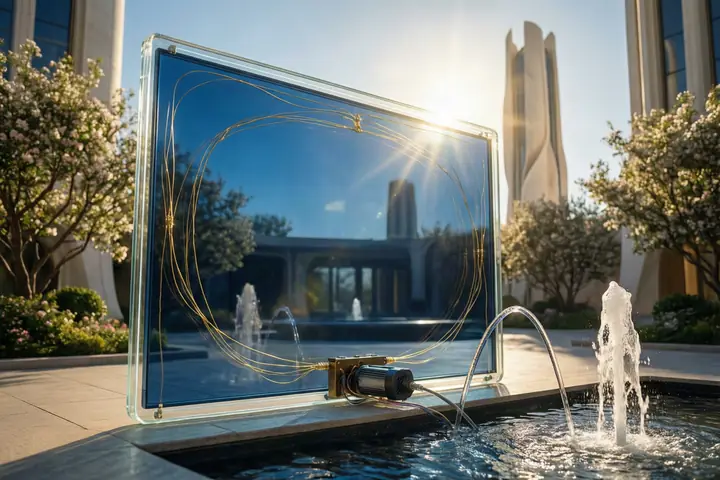
Solar Power Screen
Let There Be Light, Lyle Monroe · 1940
A panel that soaks up sunlight and gives it back out as electric current.
built in the 1950s, about 10 years after it was imagined
A large prizeBusinesses pay; no seller keeps muchas a model judges it
Why
A large prize. Electricity straight from sunlight with no fuel would change what power costs.
Who is paid. Power firms and building owners buy panels, and since many factories can make them no seller keeps much.
A model's judgement, not a reading, of the idea as if it worked the way its story promises. The model is fairly sure of this one.
Illustration made with AI image generation; not evidence.
Solar Reception Screen
The Roads Must Roll, Robert Heinlein · 1940
A panel that turns the sun's light into electrical power.
built in the 1950s, about 10 years after it was imagined
A large prizeBusinesses pay; no seller keeps muchas a model judges it
Why
A large prize. Electricity straight from sunlight with no fuel would change what power costs.
Who is paid. Power firms and building owners buy panels, and since many factories can make them no seller keeps much.
A model's judgement, not a reading, of the idea as if it worked the way its story promises. The model is fairly sure of this one.
Illustration made with AI image generation; not evidence.
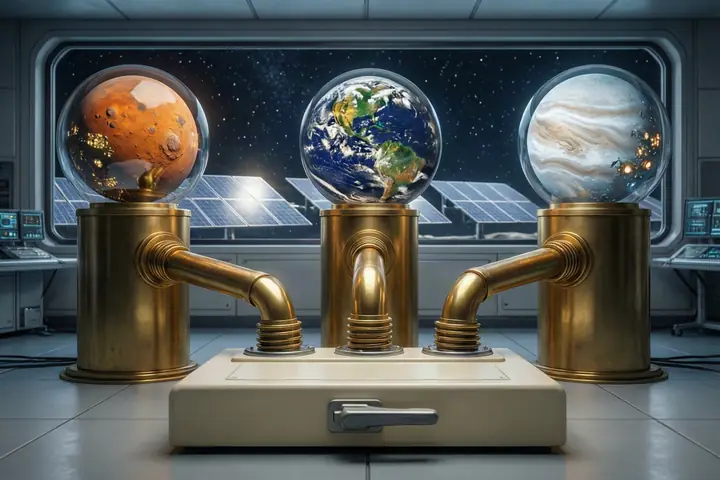
Solar Station Switch Room
Doom Over Venus, Edmond Hamilton · 1940
A central control hub routing electric power to settlements across many planets.
not yet built · AI models' likeliest decade: 2100 or later
A large prizeA government pays; the maker keeps the restas a model judges it
Why
A large prize. A hub that routes power to settlements on many planets is what makes their whole supply usable.
Who is paid. Only governments could fund a work this size, and whoever builds the one hub controls a link nobody else can match.
A model's judgement, not a reading, of the idea as if it worked the way its story promises. The model is not very sure of this one.
Illustration made with AI image generation; not evidence.
Solid Power
Revolt on the Tenth World, Edmond Hamilton · 1940
A compact solid store of energy that can be tapped easily to run anything.
not yet built · AI models could not judge when it may arrive
A vast prizeBusinesses pay; the maker keeps the restas a model judges it
Why
A vast prize. A compact solid store that can run anything would change how nearly everything is powered and moved.
Who is paid. Firms of every kind buy it, assumed here to be the largest buyers, and it is assumed that something this far beyond present skill is very hard to copy.
A model's judgement, not a reading, of the idea as if it worked the way its story promises. The model is not very sure of this one.
Illustration made with AI image generation; not evidence.
Sunpower Screen
Coventry, Robert Heinlein · 1940
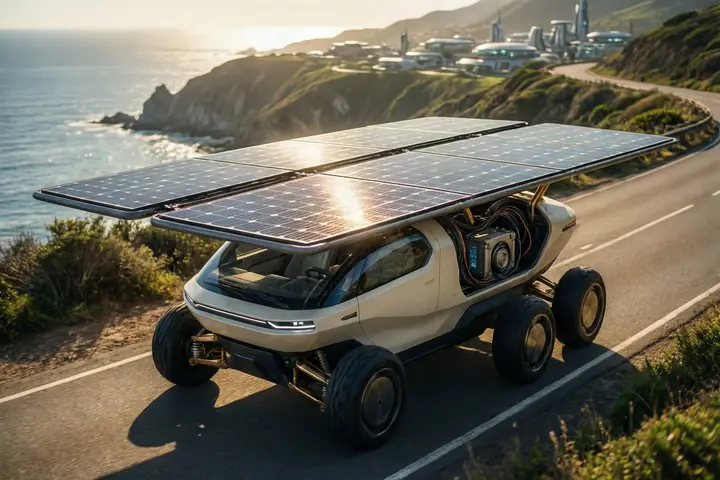
Panels of solar cells that power a vehicle.
built in the 1950s, about 10 years after it was imagined
A large prizeHouseholds pay; existing firms keep the restas a model judges it
Why
A large prize. A vehicle that runs on the sunlight falling on it would need no fuel, which changes what driving costs.
Who is paid. Here drivers buy a vehicle and not a bare panel, which is the difference from other panels, so the firms that already build and sell vehicles collect.
A model's judgement, not a reading, of the idea as if it worked the way its story promises. The model is not very sure of this one.
Illustration made with AI image generation; not evidence.
Quench Field
The Purple Light, E. Waldo Hunter · 1941
A field that halts a runaway chain reaction by soaking up its neutrons.
not yet built · AI models judge it not physically possible
A small prizeBusinesses pay; the maker keeps the restas a model judges it
Why
A small prize. Judged as if it worked, a field that stops a runaway reaction is a safety device for the few sites that run nuclear plants.
Who is paid. Plant owners buy it, assuming it guards power plants and is not a defence against bombs, and a method this strange would be very hard for others to copy.
A model's judgement, not a reading, of the idea as if it worked the way its story promises. The model is not very sure of this one.
Illustration made with AI image generation; not evidence.
Solar Energy Beam
Masquerade, Clifford Simak · 1941
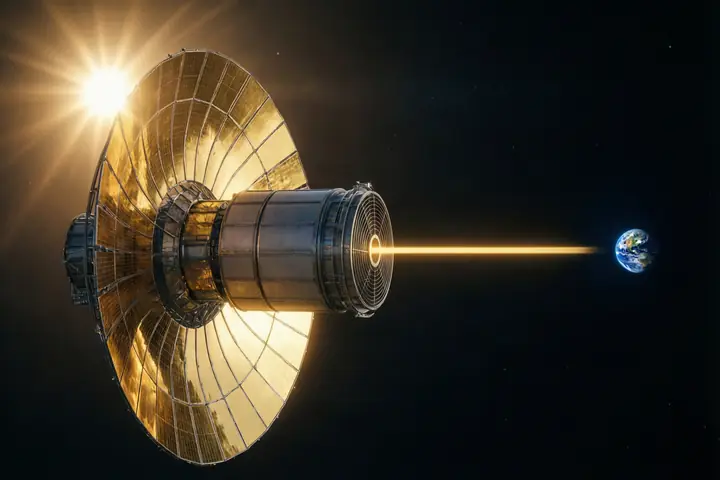
A power plant close to the sun that beams energy out to distant worlds.
not yet built · AI models' likeliest decade: 2100 or later
A large prizeA government pays; the maker keeps the restas a model judges it
Why
A large prize. A plant near the sun sending power to distant worlds would supply whole settlements that have no other source.
Who is paid. Only governments could fund a work this size for whole settlements, and whoever builds the one station controls a supply nobody else can match.
A model's judgement, not a reading, of the idea as if it worked the way its story promises. The model is not very sure of this one.
Illustration made with AI image generation; not evidence.
Solar Station
Reason, Isaac Asimov · 1941
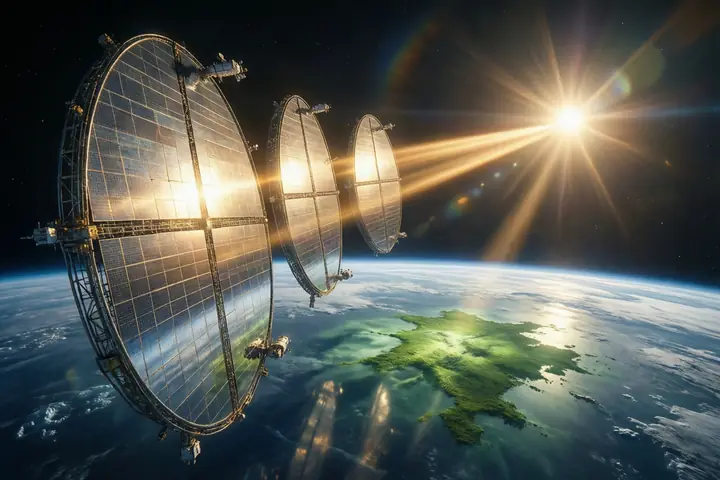
Satellites collect sunlight in orbit and transmit the power to receivers on a planet's surface.
not yet built · AI models' likeliest decade: the 2040s
A large prizeBusinesses pay; existing firms keep the restas a model judges it
Why
A large prize. Sunlight collected in orbit and sent down day and night would change what power costs on the ground.
Who is paid. Power companies buy the output, and the firms that already own rockets and the ground grid collect, assuming the collectors themselves can be copied.
A model's judgement, not a reading, of the idea as if it worked the way its story promises. The model is not very sure of this one.
Illustration made with AI image generation; not evidence.
Thermatite
Jurisdiction, Nat Schachner · 1941
A mineable asteroid substance that stores raw energy as fuel.
not yet built · AI models judge it not physically possible
A large prizeBusinesses pay; the maker keeps the restas a model judges it
Why
A large prize. Judged as if it existed, a mined rock that holds raw energy would be a fuel worth an industry of its own.
Who is paid. Fuel users buy it, assumed here to be firms, and whoever holds the few asteroid deposits controls a supply others cannot get.
A model's judgement, not a reading, of the idea as if it worked the way its story promises. The model is not very sure of this one.
Illustration made with AI image generation; not evidence.
Uranatomic
Backlash, Jack Williamson · 1941
A nuclear reactor whose fission heat is turned into electrical power.
built in the 1950s, about 10 years after it was imagined
A large prizeBusinesses pay; permit holders keep the restas a model judges it
Why
A large prize. Plentiful electricity from a little fuel would change what power costs, though the real thing turned out dearer than promised.
Who is paid. Power companies buy the plants, and because governments let only a few hands hold nuclear fuel, the few permitted makers keep what is left.
A model's judgement, not a reading, of the idea as if it worked the way its story promises. The model is fairly sure of this one.
Illustration made with AI image generation; not evidence.
Atomics
Nerves, Lester del Rey · 1942
The engineering discipline of producing useful power from atomic nuclei.
built in 1942, 0 years after it was imagined
A large prizeBusinesses pay; permit holders keep the restas a model judges it
Why
A large prize. The craft of making power from atoms is worth what its plants are worth, and plentiful power from a little fuel would change what electricity costs.
Who is paid. Power companies buy the plants this craft leads to, assumed here to be what is sold, and because governments let only a few hands hold nuclear fuel, the few permitted makers keep what is left.
A model's judgement, not a reading, of the idea as if it worked the way its story promises. The model is not very sure of this one.
Illustration made with AI image generation; not evidence.
Contraterrene Matter (Antimatter)
Collision Orbit, Jack Williamson · 1942
Matter built from antiparticles, which annihilates on contact with ordinary material.
not yet built · AI models' likeliest decade: 2100 or later
A large prizeA government pays; the maker keeps the restas a model judges it
Why
A large prize. Judged as a fuel that can be held safely, nothing would pack more energy into less weight, which is worth an industry of its own.
Who is paid. A substance this dangerous is assumed to be bought only by governments, and whoever can make and hold it controls something others cannot get.
A model's judgement, not a reading, of the idea as if it worked the way its story promises. The model is not very sure of this one.
Illustration made with AI image generation; not evidence.
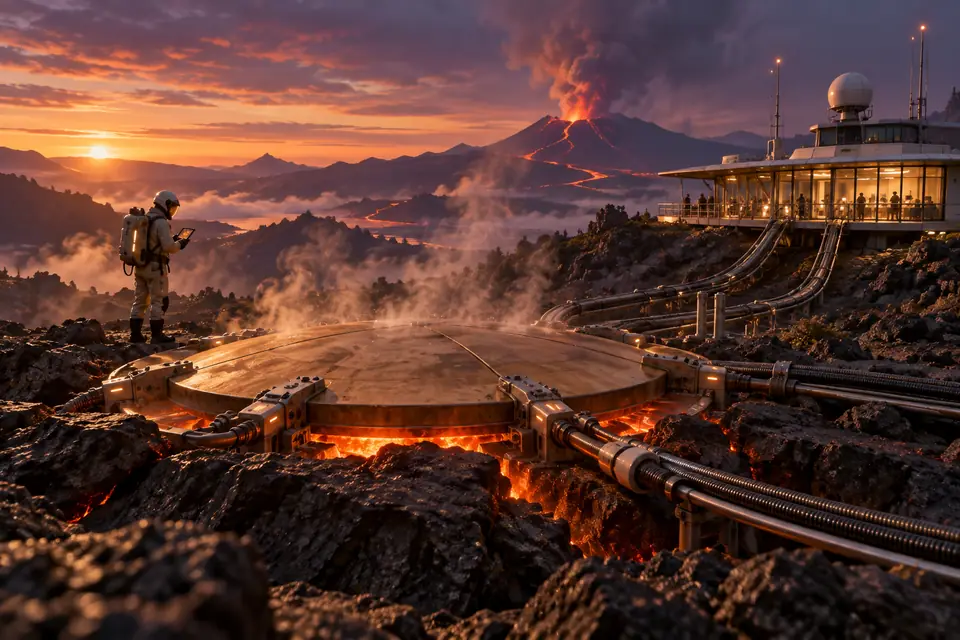
Energy Converter
Runaround, Isaac Asimov · 1942
A giant plant on a hot planet's dayside turning heat into power and sending it across space.
not yet built · AI models' likeliest decade: the 2040s
A large prizeA government pays; the maker keeps the restas a model judges it
Why
A large prize. Power sent across space from a hot world would supply whole settlements that have no other source.
Who is paid. Only governments could fund a work this size for whole settlements, and whoever builds the one station controls a supply nobody else can match.
A model's judgement, not a reading, of the idea as if it worked the way its story promises. The model is not very sure of this one.
Illustration made with AI image generation; not evidence.
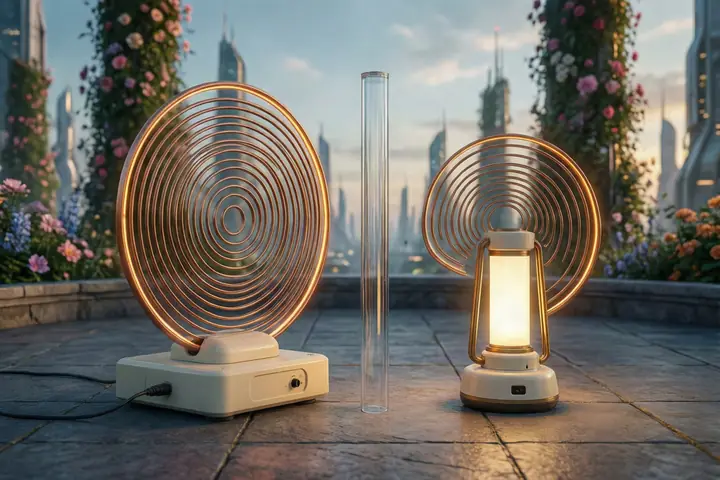
Radiant Power Receptor (DeKalbs)
Waldo, Robert Heinlein · 1942
A receiver that captures energy beamed wirelessly from a distant station and turns it into usable power.
not yet built · AI models' likeliest decade: the 2040s
A large prizeBusinesses pay; existing firms keep the restas a model judges it
Why
A large prize. Receivers that take power sent through the air would change what it costs to deliver electricity.
Who is paid. Firms buy power for their machines, and since the trick is copyable the companies that already own power stations and the delivery network collect.
A model's judgement, not a reading, of the idea as if it worked the way its story promises. The model is fairly sure of this one.
Illustration made with AI image generation; not evidence.
Solar Beam
The Long Way, George O. Smith · 1944
Draws energy from the sun through some direct link rather than capturing ordinary sunlight.
not yet built · AI models could not judge when it may arrive
A large prizeBusinesses pay; the maker keeps the restas a model judges it
Why
A large prize. A direct draw on the sun's energy would change what power costs wherever it reaches.
Who is paid. Power users buy it, assumed here to be firms, and a method this strange would be very hard for others to copy.
A model's judgement, not a reading, of the idea as if it worked the way its story promises. The model is not very sure of this one.
Illustration made with AI image generation; not evidence.
Ship Hull Thermobatteries
The Ethical Equations, Murray Leinster · 1945
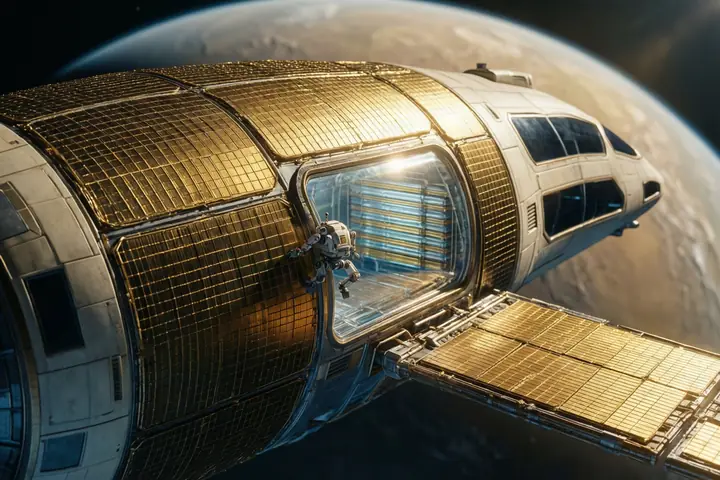
Energy storage built into a spacecraft's outer skin that recharges from sunlight.
not yet built · AI models' likeliest decade: the 2030s
A small prizeBusinesses pay; existing firms keep the restas a model judges it
Why
A small prize. A spacecraft skin that stores sunlight serves only the few who build spacecraft.
Who is paid. Spacecraft operators pay for it, and the firms that already build the craft collect because the part is useless without them.
A model's judgement, not a reading, of the idea as if it worked the way its story promises. The model is not very sure of this one.
Illustration made with AI image generation; not evidence.
Synchrophased Power Beams
Propagandist, Murray Leinster · 1947
Energy beams sent from several worlds and aimed together at one target.
not yet built · AI models' likeliest decade: 2100 or later
A large prizeA government pays; the maker keeps the restas a model judges it
Why
A large prize. Assuming the beams deliver power and are not a weapon, joining beams from several worlds would supply a place with no other source.
Who is paid. Only governments could fund a work this size for whole settlements, and whoever builds the one station controls a supply nobody else can match.
A model's judgement, not a reading, of the idea as if it worked the way its story promises. The model is not very sure of this one.
Illustration made with AI image generation; not evidence.
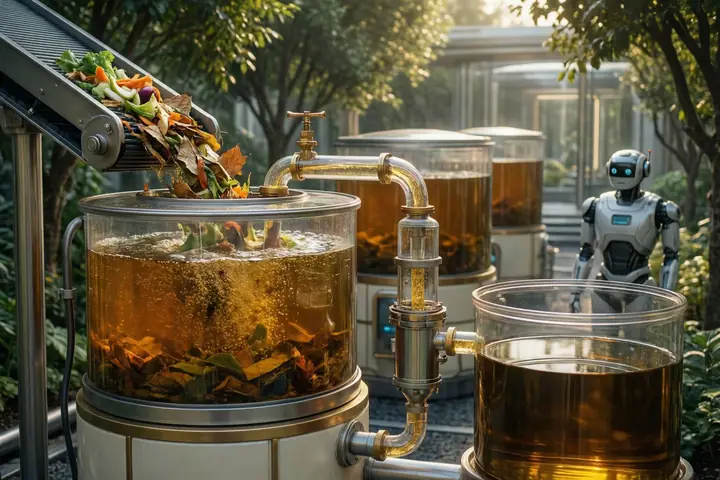
Culture Tank
Needle, Hal Clement · 1950
Vats of microbes that digest rubbish and turn it into fuel oil.
not yet built · AI models' likeliest decade: the 2030s
A large prizeBusinesses pay; existing firms keep the restas a model judges it
Why
A large prize. Turning rubbish into fuel oil is worth an industry because it solves waste and fuel together.
Who is paid. Fuel sellers buy the oil, and since the vats are easy to copy those who already own the rubbish collection and the land collect.
A model's judgement, not a reading, of the idea as if it worked the way its story promises. The model is not very sure of this one.
Illustration made with AI image generation; not evidence.
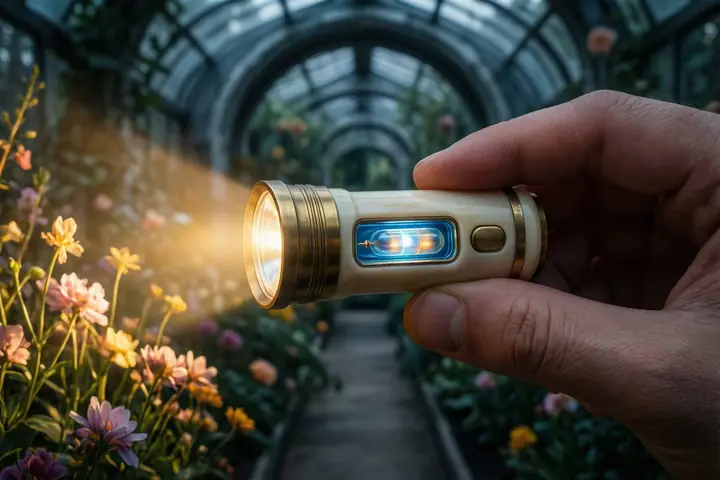
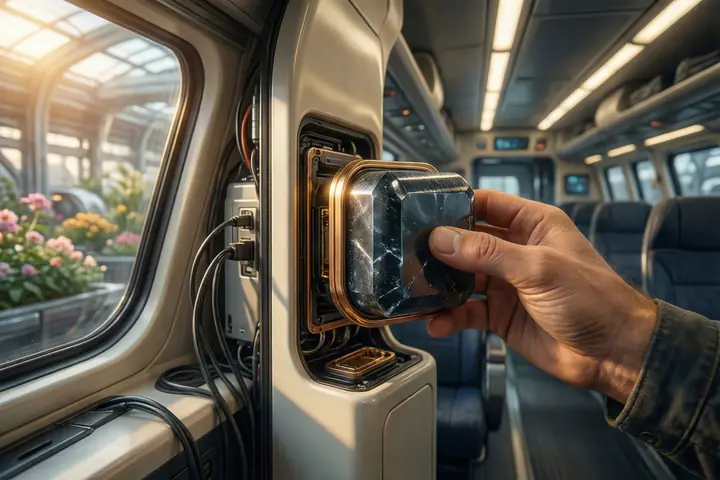
Pocket Nucleo-Bulb
Foundation, Isaac Asimov · 1951
A tiny torch that draws its power from an atomic source.
not yet built · AI models' likeliest decade: the 2060s
A small prizeHouseholds pay; no seller keeps muchas a model judges it
Why
A small prize. A torch that never needs new batteries is a convenience, and being only a torch it is worth less than the other small atomic sources.
Who is paid. People buy it as they would any torch, and assuming the tiny source is sold as freely as the gadget, any workshop could make it, so no seller keeps much.
A model's judgement, not a reading, of the idea as if it worked the way its story promises. The model is not very sure of this one.
Illustration made with AI image generation; not evidence.
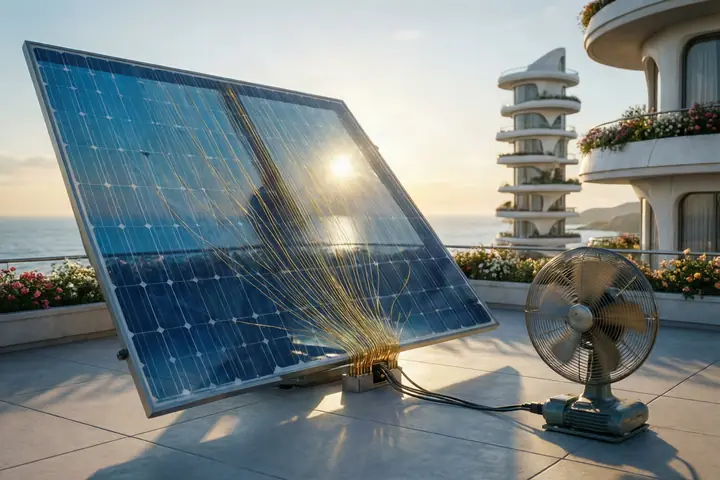
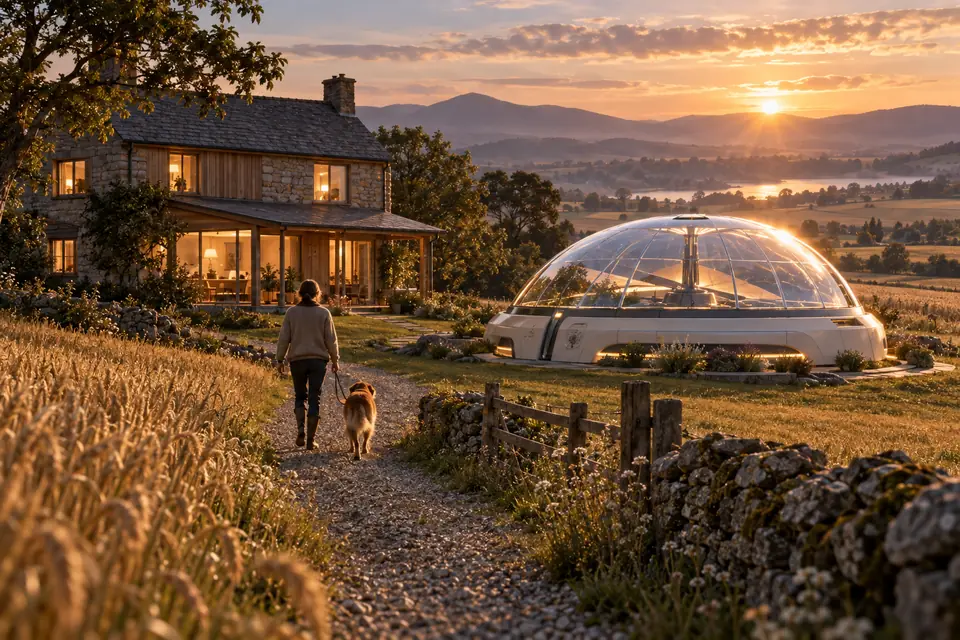
Personal Solar Plant
Ring Around the Sun, Clifford Simak · 1952
A rooftop or backyard solar installation that powers one household independently.
not yet built · AI models' likeliest decade: the 2020s
A large prizeHouseholds pay; no seller keeps muchas a model judges it
Why
A large prize. A home that makes all its own power changes what electricity costs the people living there.
Who is paid. Here the household buys it for itself, which is the difference from other panels, and many makers can supply it so no seller keeps much.
A model's judgement, not a reading, of the idea as if it worked the way its story promises. The model is fairly sure of this one.
Illustration made with AI image generation; not evidence.
Tiny Nuclear Generator
Foundation and Empire, Isaac Asimov · 1952
A complete atomic power source small enough to hold between two fingers.
not yet built · AI models' likeliest decade: the 2070s
A large prizeBusinesses pay; permit holders keep the restas a model judges it
Why
A large prize. A complete atomic power source held between two fingers would change what it costs to power machines anywhere.
Who is paid. Firms working far from a grid buy it, and because governments let only a few hands hold nuclear fuel, the few permitted makers keep what is left.
A model's judgement, not a reading, of the idea as if it worked the way its story promises. The model is not very sure of this one.
Illustration made with AI image generation; not evidence.
Fottengill Process
Gypped, Lloyd Biggle, Jr. · 1956
Extracts usable power from random fluctuations such as background electrical or thermal noise.
not yet built · AI models judge it not physically possible
A large prizeBusinesses pay; the maker keeps the restas a model judges it
Why
A large prize. Judged as if it worked, power drawn from background noise would need no fuel at all, which would change what electricity costs.
Who is paid. Power firms buy it, assuming it yields power at the scale of a plant and not a trickle, and a method this strange would be very hard for others to copy.
A model's judgement, not a reading, of the idea as if it worked the way its story promises. The model is not very sure of this one.
Illustration made with AI image generation; not evidence.
Fusion Power
The Judas Valley, Gerald Vance · 1956
Generating electricity by joining light atomic nuclei together.
not yet built · AI models' likeliest decade: the 2040s
A large prizeBusinesses pay; the maker keeps the restas a model judges it
Why
A large prize. Electricity from joining light atoms would change what power costs, with fuel that is easy to find.
Who is paid. Power companies buy the plants, and they are so hard to build that the first firm to make one work can hold off copiers for a long time.
A model's judgement, not a reading, of the idea as if it worked the way its story promises. The model is not very sure of this one.
Illustration made with AI image generation; not evidence.
Chlorophane
The Planet Strappers, Raymond Z. Gallun · 1961
A synthetic light-harvesting pigment that captures sunlight far better than natural plant pigment.
not yet built · AI models' likeliest decade: the 2040s
A large prizeBusinesses pay; the maker keeps the restas a model judges it
Why
A large prize. A pigment that catches sunlight far better than plants would cut what solar power and grown fuel cost.
Who is paid. Panel makers and growers buy it, and the inventor of a new material can keep the recipe protected for a time.
A model's judgement, not a reading, of the idea as if it worked the way its story promises. The model is not very sure of this one.
Illustration made with AI image generation; not evidence.
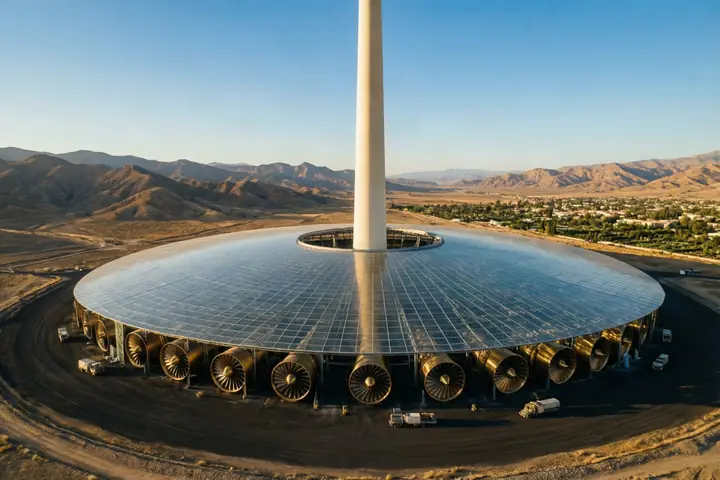
Solar Updraft Tower
Shortstack, Leigh and Walt Richmond · 1964
Makes electricity from warm air rising through a very tall chimney.
built in the 1980s, about 20 years after it was imagined
A small prizeBusinesses pay; no seller keeps muchas a model judges it
Why
A small prize. A tall chimney that makes power from rising warm air is one more way to make electricity, and the real thing turned out small.
Who is paid. Power companies buy the plant, and the design is ordinary building work that many can copy so no seller keeps much.
A model's judgement, not a reading, of the idea as if it worked the way its story promises. The model is fairly sure of this one.
Illustration made with AI image generation; not evidence.
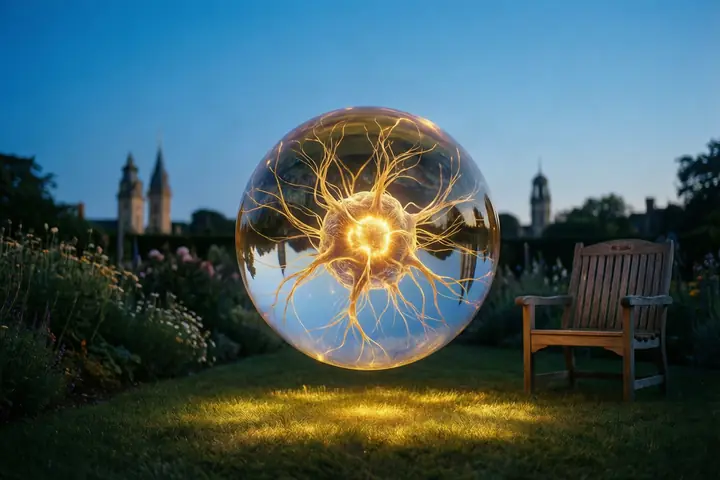
Glowglobe
Dune, Frank Herbert · 1965
A hovering light sphere powered by an organic source.
not yet built · AI models judge it not physically possible
A small prizeHouseholds pay; no seller keeps muchas a model judges it
Why
A small prize. Judged as if it worked, a lamp that floats where it is wanted is a nicer light, which is a convenience.
Who is paid. People buy them for homes, and in the story they are everyday goods that many makers supply, so no seller keeps much.
A model's judgement, not a reading, of the idea as if it worked the way its story promises. The model is not very sure of this one.
Illustration made with AI image generation; not evidence.
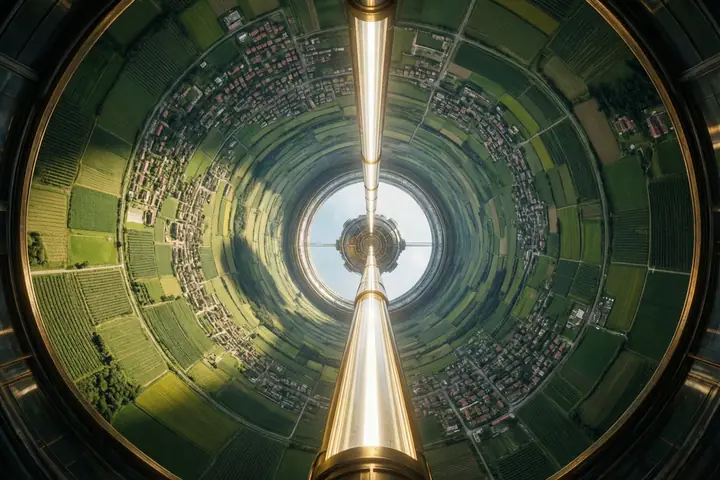
Fusion Sunlight Tube
At the Bottom of a Hole, Larry Niven · 1966
A fusion-powered light running along the axis of a spinning space habitat.
not yet built · AI models' likeliest decade: the 2060s
A small prizeA government pays; existing firms keep the restas a model judges it
Why
A small prize. A sun-like lamp for one spinning space habitat is a niche, however vital to those inside.
Who is paid. Whoever funds the habitat pays, assumed here to be a government, and the firms that already build such plants collect.
A model's judgement, not a reading, of the idea as if it worked the way its story promises. The model is not very sure of this one.
Illustration made with AI image generation; not evidence.
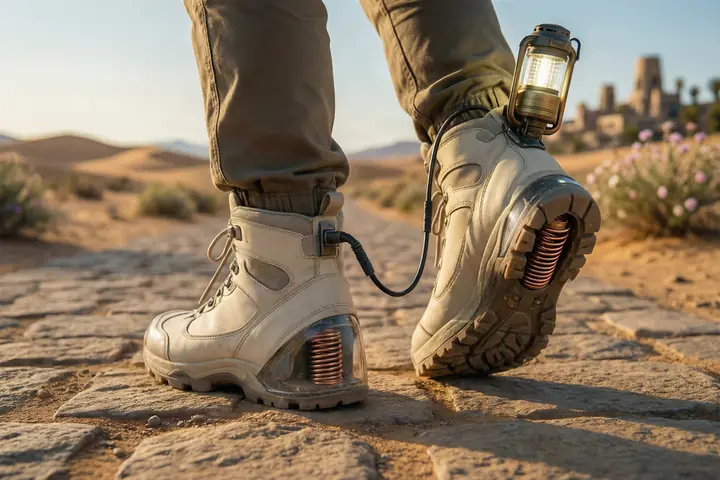
Stillsuit Desert Boots
Dune Messiah, Frank Herbert · 1969
Boots that capture energy from walking to run other gear.
not yet built · AI models' likeliest decade: the 2030s
A small prizeHouseholds pay; no seller keeps muchas a model judges it
Why
A small prize. Boots that power small gear from walking save carrying batteries, which is a convenience.
Who is paid. People buy them to wear, and any boot maker can add the part so no seller keeps much.
A model's judgement, not a reading, of the idea as if it worked the way its story promises. The model is fairly sure of this one.
Illustration made with AI image generation; not evidence.
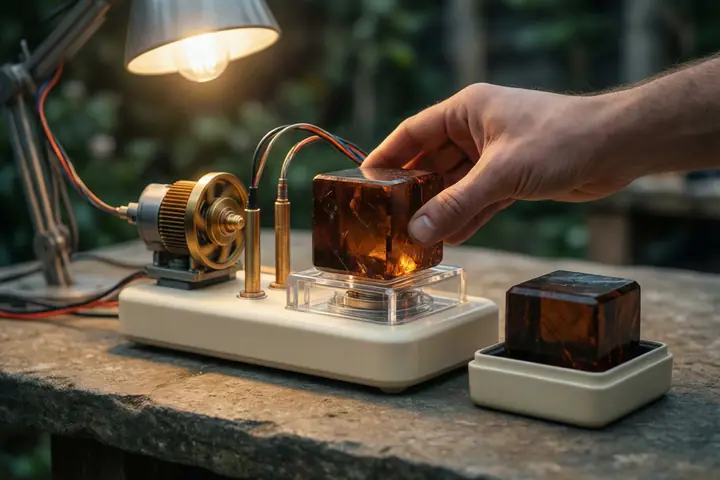
Batacitor
The Fabulous Riverboat, Philip Jose Farmer · 1971
An electricity store that can be filled almost instantly.
built since, date unclear
A large prizeBusinesses pay; existing firms keep the restas a model judges it
Why
A large prize. A store that fills almost at once would remove the main drawback of electric vehicles and tools.
Who is paid. Vehicle and device makers buy it, and since storage recipes tend to be copied the firms that already own the big factories collect.
A model's judgement, not a reading, of the idea as if it worked the way its story promises. The model is not very sure of this one.
Illustration made with AI image generation; not evidence.
Shipstone
Friday, Robert Heinlein · 1982
A compact factory-made power cell holding an enormous store of energy.
not yet built · AI models' likeliest decade: the 2060s
A vast prizeBusinesses pay; the maker keeps the restas a model judges it
Why
A vast prize. A cheap compact cell holding an enormous store of energy would change how nearly everything is powered and moved.
Who is paid. Firms of every kind buy it, assumed here to be the largest buyers, and in the story the maker keeps the method secret so nobody can copy it.
A model's judgement, not a reading, of the idea as if it worked the way its story promises. The model is fairly sure of this one.
Illustration made with AI image generation; not evidence.
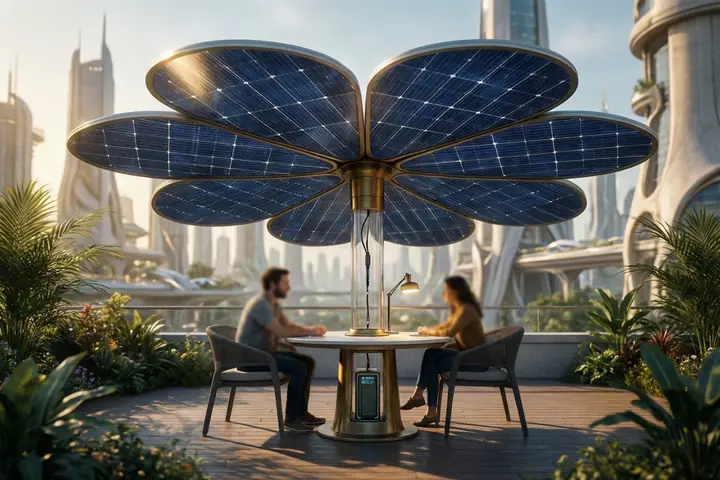
Sunshade-Photocell Collector
Earth, David Brin · 1990
A whimsical canopy that shades people while gathering solar power.
not yet built · AI models' likeliest decade: the 2020s
A small prizeHouseholds pay; no seller keeps muchas a model judges it
Why
A small prize. A canopy that shades people and makes a little power is a convenience.
Who is paid. People buy it for gardens and outings, and any maker can produce it so no seller keeps much.
A model's judgement, not a reading, of the idea as if it worked the way its story promises. The model is fairly sure of this one.
Illustration made with AI image generation; not evidence.
Spotlight of Heat (Orbital Microwaves)
Fallen Angels, Larry Niven w/Pournelle, Flynn · 1991
A satellite array beaming microwave energy down to warm a chosen patch of ground.
not yet built · AI models' likeliest decade: the 2060s
A small prizeA government pays; the maker keeps the restas a model judges it
Why
A small prize. Warming one chosen patch of ground from orbit helps only the few people on that patch.
Who is paid. A government pays because the warmth cannot be charged for one by one, and whoever built the satellites controls them.
A model's judgement, not a reading, of the idea as if it worked the way its story promises. The model is not very sure of this one.
Illustration made with AI image generation; not evidence.
Canola Oil
Virtual Light, William Gibson · 1993
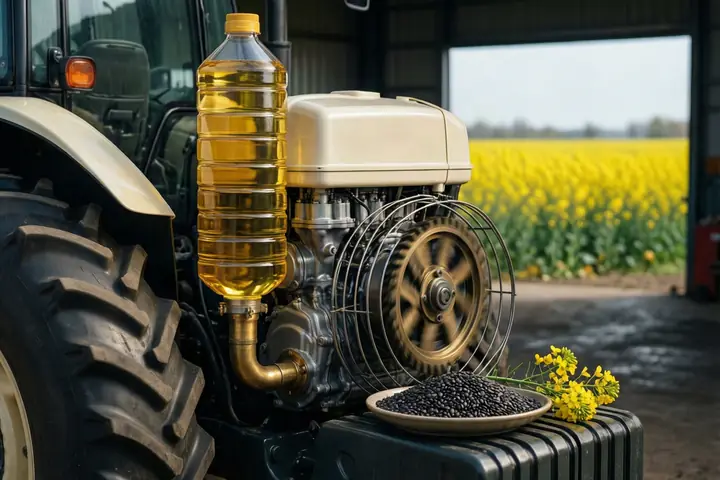
Rapeseed oil processed so vehicles can burn it for power.
already existed before the story (the 1900s)
A large prizeBusinesses pay; existing firms keep the restas a model judges it
Why
A large prize. A crop oil that vehicles can burn is worth an industry, though the real thing turned out a modest extra fuel.
Who is paid. Fuel sellers and vehicle fleets buy it, and since the processing is easy to copy those who already own the farmland collect.
A model's judgement, not a reading, of the idea as if it worked the way its story promises. The model is fairly sure of this one.
Illustration made with AI image generation; not evidence.
Solar Electric Paint - Black Power
The Woman in Del Rey Crater, Larry Niven · 1995
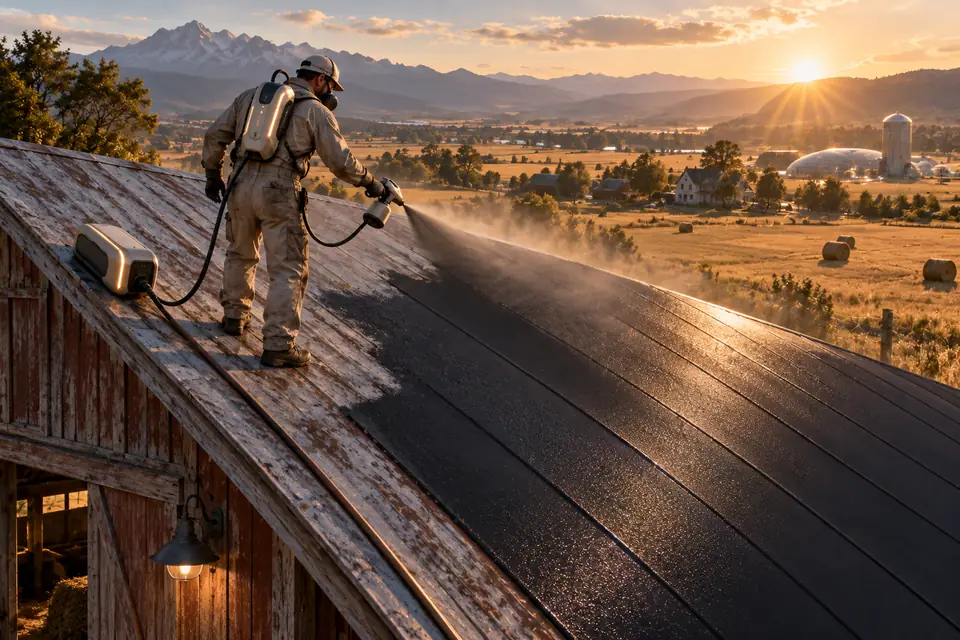
A coating sprayed on any surface that turns it into a generator of electricity from sunlight.
not yet built · AI models' likeliest decade: the 2030s
A large prizeBusinesses pay; the maker keeps the restas a model judges it
Why
A large prize. A sprayed coating that turns any surface into a solar generator would change what power costs.
Who is paid. Builders and owners of roofs and walls buy it, and the inventor of a new material can keep the recipe protected for a time.
A model's judgement, not a reading, of the idea as if it worked the way its story promises. The model is not very sure of this one.
Illustration made with AI image generation; not evidence.
Soletta
Green Mars, Kim Stanley Robinson · 1995
Giant orbiting mirrors that concentrate sunlight onto a planet to warm and power it.
not yet built · AI models' likeliest decade: 2100 or later
A large prizeA government pays; the maker keeps the restas a model judges it
Why
A large prize. Mirrors that warm and light a whole planet would make it fit to settle.
Who is paid. Only a government could fund it because nobody can be charged for sunlight one by one, and whoever builds the mirrors controls them.
A model's judgement, not a reading, of the idea as if it worked the way its story promises. The model is not very sure of this one.
Illustration made with AI image generation; not evidence.
Quantum Power
Alpha Centauri, Sid Meier · 1999
Electricity produced by splitting particles of light.
not yet built · AI models judge it not physically possible
A large prizeBusinesses pay; the maker keeps the restas a model judges it
Why
A large prize. Judged as if it worked, a new way to make electricity from light would change what power costs.
Who is paid. Power companies buy the plants, and a method this strange would be very hard for others to copy.
A model's judgement, not a reading, of the idea as if it worked the way its story promises. The model is not very sure of this one.
Illustration made with AI image generation; not evidence.
Oceanic Thermal Energy Converter
Saturn's Race, Larry Niven (w/S. Barnes) · 2000
A power plant that draws on ocean temperature differences to generate electricity.
not yet built · AI models' likeliest decade: the 2020s
A small prizeBusinesses pay; no seller keeps muchas a model judges it
Why
A small prize. Power from warm and cold sea water is one more way to make electricity in a few warm coastal places.
Who is paid. Power companies buy the plant, and the design is ordinary engineering that many builders can copy so no seller keeps much.
A model's judgement, not a reading, of the idea as if it worked the way its story promises. The model is fairly sure of this one.
Illustration made with AI image generation; not evidence.
Photo-Voltaic Robes
Snow in the Desert, Neal Asher · 2002
Garments woven from material that turns sunlight into usable electrical power.
not yet built · AI models' likeliest decade: the 2030s
A small prizeHouseholds pay; no seller keeps muchas a model judges it
Why
A small prize. Clothes that make a little electricity can charge small things, which is a convenience.
Who is paid. People buy them to wear, and any cloth maker can learn to weave them so no seller keeps much.
A model's judgement, not a reading, of the idea as if it worked the way its story promises. The model is fairly sure of this one.
Illustration made with AI image generation; not evidence.
Hyper-Developed Mulies
The Calorie Man, Paolo Bacigalupi · 2005
Genetically improved draught animals tuned to turn fodder into work as efficiently as possible.
not yet built · AI models' likeliest decade: the 2040s
A small prizeBusinesses pay; existing firms keep the restas a model judges it
Why
A small prize. Where engines and fuel exist a better working animal is a niche, though in the story's fuel-starved world it would matter far more.
Who is paid. Farms and hauliers buy the animals, and since living stock multiplies once any of it is sold, no originator can hold it, so the stock breeders and dealers that already supply working animals collect.
A model's judgement, not a reading, of the idea as if it worked the way its story promises. The model is not very sure of this one.
Illustration made with AI image generation; not evidence.
Kink-Spring
The Calorie Man, Paolo Bacigalupi · 2005
A wound mechanical coil that holds energy and releases it with almost no losses.
not yet built · AI models' likeliest decade: the 2040s
A large prizeBusinesses pay; existing firms keep the restas a model judges it
Why
A large prize. A spring that stores energy with almost no loss would change what it costs to store and carry power.
Who is paid. Vehicle and machine makers buy it, and since storage designs tend to be copied the firms that already own the big factories collect.
A model's judgement, not a reading, of the idea as if it worked the way its story promises. The model is not very sure of this one.
Illustration made with AI image generation; not evidence.
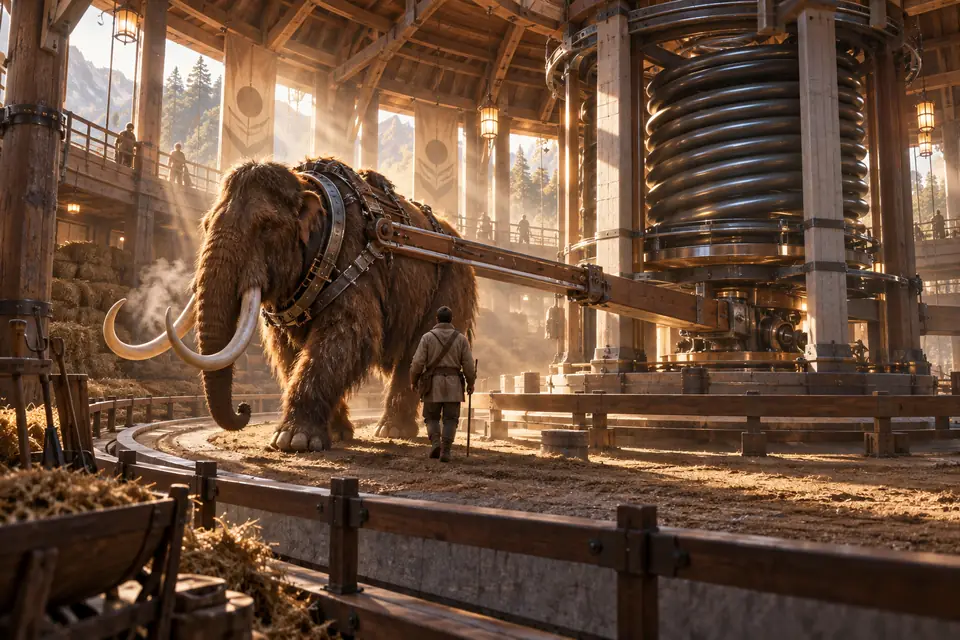
Megadont
The Calorie Man, Paolo Bacigalupi · 2005
A genetically redesigned giant elephant-like beast that turns plant feed into muscle power for machinery.
not yet built · AI models' likeliest decade: the 2040s
A small prizeBusinesses pay; existing firms keep the restas a model judges it
Why
A small prize. Where engines and fuel exist a better working animal is a niche, though in the story's fuel-starved world it would matter far more.
Who is paid. Workshops and mills buy the beasts, and since living stock multiplies once any of it is sold, no originator can hold it, so the stock breeders and dealers that already supply working animals collect.
A model's judgement, not a reading, of the idea as if it worked the way its story promises. The model is not very sure of this one.
Illustration made with AI image generation; not evidence.
Fuel Tree
Anathem, Neal Stephenson · 2008
Crops grown specifically to be burned or refined for energy.
not yet built · AI models' likeliest decade: the 2020s
A large prizeBusinesses pay; existing firms keep the restas a model judges it
Why
A large prize. Crops grown for burning or refining are worth an industry, though the real thing turned out a modest extra fuel.
Who is paid. Fuel sellers and vehicle fleets buy it, and since the processing is easy to copy those who already own the farmland collect.
A model's judgement, not a reading, of the idea as if it worked the way its story promises. The model is fairly sure of this one.
 Illustration made with AI image generation; not evidence.